Formazione & insegnamento, 24(S1), 8958
Circular Pedagogy: Challenges and Pillars
Pedagogia circolare: Sfide e capisaldi
ABSTRACT
This concept research is situated within the field of sustainable education and examines educational practices from the perspective of the circular economy. The research focuses on the theoretical and practical aspects of circular pedagogy, whose aim is to eliminate waste throughout the life cycle of products and services. Based on a socio-constructivist process, this article aims to deconstruct the linear economic model of “extract-produce-consume-discard”, which is at the origin of greenhouse gas emissions and significant environmental degradation. In this perspective, circular pedagogy no longer considers products at the end of their life cycle as waste, but rather as secondary raw materials.
Questa ricerca concettuale si colloca nell’ambito dell’educazione sostenibile ed esamina le pratiche educative dal punto di vista dell’economia circolare. Essa si concentra sugli aspetti teorici e pratici della pedagogia circolare, il cui obiettivo è eliminare gli sprechi durante tutto il ciclo di vita dei prodotti e dei servizi. Basandosi su un approccio socio-costruttivista, questo articolo mira a decostruire il modello economico lineare “estrarre-produrre-consumare-scartare”, che è all’origine delle emissioni di gas serra e di un significativo degrado ambientale. In questa prospettiva, la pedagogia circolare non considera più i prodotti alla fine del loro ciclo di vita come rifiuti, ma piuttosto come materie prime secondarie.
KEYWORDS
Waste, Linear economy, Sustainable development, Circular economy, Circular pedagogy
Rifiuti, Economia lineare, Sviluppo sostenibile, Economia circolare, Pedagogia circolare
AUTHORSHIP
This article is the result of the work of a single Author.
ACKNOWLEDGMENTS
ESF-2022-SOC-INNOV Project No. 101102547
CONFLICTS OF INTEREST
The Author declares no conflicts of interest.
COPYRIGHT AND LICENSE
© Author(s). This article and its supplementary materials are released under a CC BY 4.0 license.
RECEIVED
March 13, 2026
ACCEPTED
May 13, 2026
PUBLISHED ONLINE
May 13, 2026
1. Introduction
The concept of sustainable development, which originated in the World Conservation Strategy (IUCN, WWF, & PNUE, 1980) and was further developed in Our Common Future, commonly known as the Brundtland Report, is now central to discussions at local, national, and international levels about the future of the planet. Beyond being an undeniable trend, sustainable development has evolved into a concept enriched by increasingly precise terminology aimed at highlighting the seriousness of contemporary environmental challenges. This is particularly evident in the concept of the circular economy. The widespread use of this term has contributed to greater awareness and understanding of environmental challenges. By incorporating the concept of the circular economy, sustainable development is increasingly presented as a unifying and guiding framework for the future of the planet, capable of simplifying complex environmental issues. The integration of the circular economy into sustainable development makes the latter lesser of a vague notion often associated with utopian ideals, unrealistic promises, and misplaced optimism. The circular economy confronts practical realities and enables us to view sustainable development as a more socially embedded concept, reflecting the commitment of United Nations member states to building a post-carbon economy. This obviously requires a radical rethinking of the linear economic model used until now, which consists of extracting raw materials, producing goods and services, consuming them and then throwing them away, thus generating large amounts of waste and greenhouse gas emissions that contribute to climate change. This linear economy is now incompatible with sustainable development, where energy efficiency and profound changes in production and consumption patterns play a central role in combating climate change. To achieve this, sustainable development must increasingly prioritise decarbonisation, which is a key factor in addressing the climate emergency. As one of the major challenges of the 21st century, decarbonisation requires a profound transformation of the global economy. Achieving carbon neutrality requires rethinking the traditional “economic efficiency” pillar of sustainable development by integrating the circular economy as a structuring principle for reducing greenhouse gas (GHG) emissions, by replacing fossil fuels (coal, oil, gas) with renewable sources and improving energy efficiency.
Sustainable development and its associated decarbonisation policies cannot be effectively implemented without education that promotes responsible citizenship. The report by UNESCO’s International Commission on Education for the 21st Century, chaired by Jacques Delors, emphasised that “Faced with the many challenges of the future, education appears to be an indispensable asset in enabling humanity to progress towards the ideals of peace, freedom and social justice” (Delors, 1996, p. 13). In its concluding remarks, the Commission reaffirmed its belief in the essential role of education in the development of individuals and societies. This principle applies universally, across all societies and regions of the world. In the report, education is presented as “one path among others, certainly, but more than others, towards a more harmonious and authentic human development…” (Delors, 1996). A central question today is how education can support the integration of the circular economy into sustainable development and contribute to the formation of citizens committed to Sustainable Development Goal 12, namely responsible production and consumption. The role of education is to provide individuals with the knowledge, skills, attitudes and values necessary to shape a sustainable future. This requires a pedagogical approach grounded in the principles of the circular economy and oriented towards responsible production and consumption.
This study is situated within the field of education for sustainable development and critically examines current educational practices through the lens of the circular economy. It is primarily conceptual research that explores both the theoretical foundations and practical implications of a circular pedagogy aimed at reducing waste throughout product and service life cycles. From a social constructivist perspective, this article deconstructs the “extract-produce-consume-dispose” model characteristic of linear economy, which generates large quantities of waste and contributes significantly to environmental degradation. The circular pedagogy proposed here reframes end-of-life products not as waste, but as valuable secondary raw materials.
2. Circular economy
Although still relatively unfamiliar to the public, the concept of the circular economy emerged in response to the limitations of the production and consumption patterns that have dominated industrial societies for centuries. Interest in the circular economy grew significantly after 2010, when Ellen MacArthur established the Ellen MacArthur Foundation to promote this model. Between 2012 and 2016, the Foundation published three influential reports that contributed to a renewed understanding of the global economy.
In 2012, the Foundation published its first report, Towards the Circular Economy, Vol. 1: Economic and Business Rationale for an Accelerated Transition. The report defines the circular economy as “an industrial system that aims to close the loop on material and energy flows while contributing to sustainable development” (Ellen MacArthur Foundation, 2012). This first report from the Foundation sets out the fundamentals of the circular economy. It outlines the core principles that characterise the circular economy, distinguishing it from the linear “extract-produce-consume-dispose” model. The report demonstrates that circular resource management focused on recovering and regenerating end-of-life materials could generate substantial economic benefits. It estimates annual net savings of approximately $380 billion in raw materials in Europe during the initial transition phase, rising to $630 billion once the circular model is fully implemented.
In 2013, the Foundation published its second report, Towards the Circular Economy, Vol. 2: Opportunities for the Consumer Goods Sector. The report analyses how circular economy principles apply to everyday consumer goods, at both biological and technical levels. It evaluates the advantages of the circular model over the linear model by analysing strategies adopted within the consumer goods sector. It also offers policy recommendations to support the broader dissemination of circular economy principles.
In 2014, the Foundation published its third report, Towards the Circular Economy, Vol. 3: Accelerating the Scale-Up Across Global Supply Chains. The report demonstrates the capacity of the circular model to operate within the constraints of a globalised economy and complex supply chains. It revisits the core principles of the circular economy and provides business leaders with strategic tools to address challenges such as resource scarcity, price volatility, technological innovation, and shifting consumer demand.
According to the Ellen MacArthur Foundation, the circular economy is an industrial system that is restorative by design, in which material flows are divided into two distinct cycles, namely:
- Biological nutrients, which safely return to the biosphere.
- Technical nutrients, which are designed to be reused or recycled at high quality without entering the biosphere.
The circular economy remains an evolving concept aimed at reconciling economic growth with environmental protection, or, in other words, at using nature rather than exploiting it, by promoting resource efficiency and responsible consumption (Ellen MacArthur Foundation, 2013). This involves extending product lifespan through reuse, repair, remanufacturing and material recovery. The report offers one of the first comprehensive analyses of the business and economic opportunities arising from the transition from a linear to a circular economic model. Based on global economic analysis accompanied by case studies of certain products, the report presents the potential benefits of the circular economy, particularly in relation to product design innovation and the development of new business models. According to the Ellen MacArthur Foundation (2013), the circular economy encompasses three key domains:
- Production and supply systems.
- Consumption patterns and consumer behaviour.
- Waste management, prioritising recycling and resource recovery to close material loops.
The circular economy is no longer a vague or generic term; it refers to an economic system fundamentally opposed to the traditional linear model. It combines elements of the functional economy, performances-based business models, and industrial ecology within a decarbonised framework. It is increasingly presented as an environmentally sustainable alternative to the linear model. It extends beyond traditional notions of economic efficiency and the conventional framework of the green economy.
According to Lanoie and Normandin (2015, p. 90), the circular economy is “an emerging economic model that seeks to maximise resources already in circulation while reducing the ecological footprint, thereby replacing a linear economy that is increasingly unsustainable.” Normandin, Sauvé and McDonald (2016, p. 1) characterise the circular economy as “an inevitable transition” toward an economic model that operates within planetary boundaries and promotes systemic, cyclical, and anticipatory resource management.
Far from being limited to waste recycling, the circular economy promotes responsible production and consumption patterns that respect human rights, protect the environment, and align with the principles of sustainable development.
3. Methodological approach
This study adopts a conceptual research approach. It is based on the analysis of existing literature examining the relationship and potential between the circular economy and education. The study does not rely on empirical experimentation. However, it draws inspiration from numerous empirical studies in the field of education for sustainable development. The aim of this research is to develop the concept of circular pedagogy by synthesising theoretical frameworks and insights derived from education for sustainable development. Adopting a conceptual approach, this study analyses the relationship between pedagogy and the circular economy from an educational perspective. Its objective is to contribute to the development of a theoretical framework centred on circular pedagogy. In this regard, the reinterpretation of circular economy theory through an educational lens is intended to stimulate further empirical research in the field of education sciences. This conceptual inquiry responds to emerging educational questions related to the integration of circular economy principles. The relationship between education and circular economy constitutes a significant challenge for the educational sciences, demanding the structured development of relevant theoretical and methodological knowledge.
4. Results: circular pedagogy as a tool for action
The issue addressed in this section extends the ongoing debate on the integration of sustainable development into educational practice. This emerging requirement has not yet been sufficiently examined in the scientific and institutional literature.
4.1. Intercultural sustainable development, circular economy and pedagogy
Global understanding of pedagogy and sustainable development have evolved significantly since the 1992 Rio Summit (United Nations Conference on Environment and Development, 1992). Pedagogy has increasingly incorporated sustainable development concerns, while sustainability debates have simultaneously highlighted the transformative role of education. Because sustainable development places human well-being at its core, education must mobilise to help ensure every individual’s right to a dignified and fulfilling life. Within the framework of global citizenship education, education initiatives have played an essential role in promoting sustainable development, traditionally structured around three pillars: social solidarity, economic efficiency, and environmental responsibility. This model has been widely criticised for assigning a secondary role to culture. Several scholars have therefore advocated the recognition of culture as a pillar of sustainable development. Esoh Elamé (2004) introduced the concept of intercultural responsibility as a fourth pillar of sustainable development. He further developed the notion of intercultural sustainable development, along with a model of inter-civilisational development aimed at meeting the needs of present generations from an intercultural perspective while remaining attentive to future generations. Intercultural sustainable development is characterised by the inclusion of intercultural responsibility as a fourth pillar and by the replacement of the traditional economic efficiency pillar with the circular economy. The present analysis of circular pedagogy is grounded in the framework of intercultural sustainable development. The framework is summarised in Figure 1.
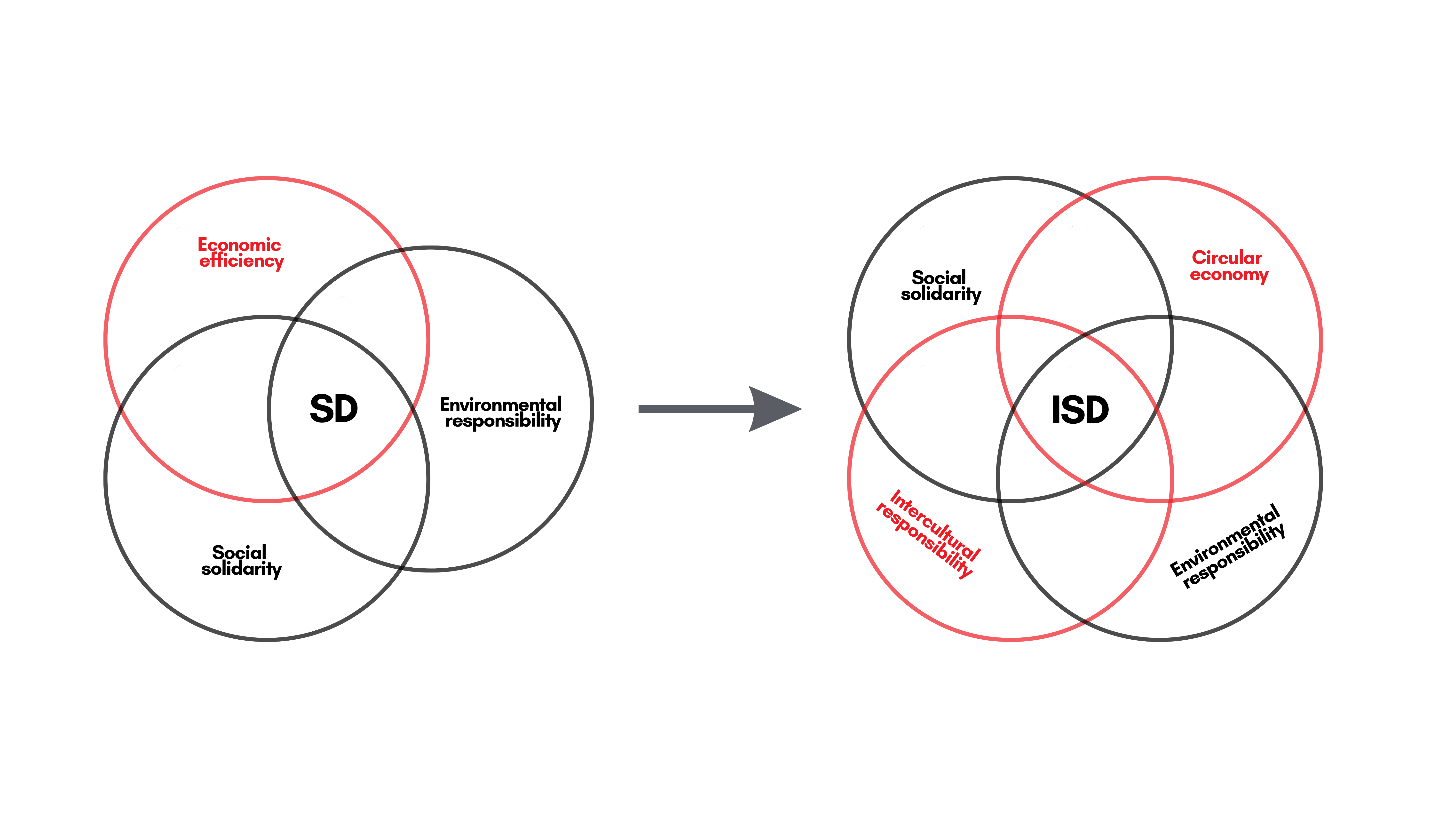
Figure 1. Intercultural sustainable development (ISD). Source: Author.
Education can play a decisive role in fostering behaviours aligned with the principles of the circular economy. Pedagogy provides the foundation for cultivating responsible behaviours consistent with circular economy principles. It can empower learners to adopt practices that support the circular economy, including recycling, choosing sustainably produced goods, and using low-carbon modes of transport. Education can therefore equip individuals with the analytical skills necessary to critically assess environmental issues, foster ethical values that discourage environmentally harmful behaviour, and promote active ecological citizenship. Education must now adopt a cross-cutting approach that supports the transition towards a circular economy. Such a transition requires educational practices that inform and raise awareness about the environmental consequences of overconsumption and resource overexploitation inherent in the dominant linear economic model. It also depends on the development of individual and collective civic practices capable of transforming the current linear system into a circular one.
4.2. The aim of circular education
Circular pedagogy is defined here as a dynamic educational process aimed at empowering learners of all ages to acquire the skills, attitudes, and responsible behaviours necessary to close product and service life cycles and reduce waste generation. More specifically, circular pedagogy implies a structural, managerial, and operational reorganisation of educational systems designed to improve knowledge transmission and support the transition from a linear, neoliberal economic model to a more sustainable circular model. It adopts a socio-constructivist approach that promotes the critical examination of the linear economic model and encourages its progressive transformation into a circular one. It seeks to foster environmental and intercultural competencies that enable learners to contribute to circular economic practices while promoting collective well-being and improved quality of life. By fostering cooperation and social cohesion, circular pedagogy encourages the development of both local and global communities of responsible citizens. In this sense, circular pedagogy functions as an applied educational framework designed to regenerate resources, close material loops and support the transformation from a linear to a circular economic system.
4.3. Characteristics of circular pedagogy
Circular pedagogy can be characterised by the following features:
- Cross-curricular pedagogy. It adopts a cross-curricular approach that promotes transversality across educational levels and subject areas. It encourages schools and educators to collaborate through structured and innovative pedagogical practices aimed at supporting the transition towards carbon neutrality. Cross-curricular teaching has the potential to transform learning processes by fostering integrative and systemic thinking. By generating sustainability themes across the curriculum, educators can promote deeper, more interconnected understandings of environmental and social challenges, thereby enhance educational relevance and preparing learners for responsible citizenship.
- Intercultural inspired teaching. It is grounded in an intercultural perspective. This is particularly relevant because circular economy practices vary according to cultural norms and social practices. Circular pedagogy should draw on the diversity of cultural practices related to resource use and waste management in order to develop intercultural practices that can lead to less waste and make the life cycle of products and services more efficient. The relationship between circular pedagogy and interculturality is significant because circular pedagogy draws on dialogue between cultures to bring together strengths, skills and knowledge in the field of the circular economy.
- Pedagogy of civilization of the universal. It can also be described as an inter-civilisational pedagogy, as it seeks to engage with diverse systems of knowledge and cultural traditions. It draws on a plurality of cultural traditions and is grounded in intercultural dialogue. It aspires to a universalist perspective grounded in shared human values. It resists intellectual homogenisation and should not be equated with the Westernisation of circular economy practices.
- Pedagogy of cognitive justice. Circular pedagogy adopts a critical orientation centred on cognitive, social, environmental and cultural justice. It seeks to empower learners by critically examining the dynamics of the linear economy and the structural barriers that hinder the transformation process. Its critical dimension involves fostering awareness of the collective responsibility associated with environmental sustainability. Learners are encouraged to critically analyse the structural dynamics of consumer society. Their emancipation and empowerment are essential to enabling them to become critical agents capable of transforming socio-economic structures shaped by the linear economy.
- Committed pedagogy. Circular pedagogy adopts a normative stance. It does not contain neutrality, rather, it recognises education as inherently political and acknowledges the reduction of social and environmental inequalities as part of its mission.
- Pedagogy of responsible citizenship. Circular pedagogy promotes responsible and participatory citizenship while critically addressing discrimination and unequal power structures. Its purpose is to contribute to social transformation by preparing learners to engage actively in the development of sustainable societies, where waste reduction and resource efficiency become central principles.
- Socio-constructivist pedagogy. Circular pedagogy is grounded in socio-constructivist theory (Bruner, 1960, 1983, 1984, 1996; Vygotsky, 1978; Vygotsky, 1934/1997). It positions learners at the centre of the educational process, encouraging them to construct their own analyses and reflections on the circular economy. Within this framework, teachers act as facilitators who support interactive and inclusive learning environments that foster the knowledge, skills, and attitudes required for circular transition.
- Decarbonised approach to education. Circular pedagogy aligns with efforts to build a decarbonised society and can be described as part of a post-carbon educational approach. It integrates climate issues and low-carbon transition strategies into lifelong learning. Rather than guaranteeing transition, it equips learners with the competencies necessary to contribute to carbon-neutral and sustainable lifestyles.
- Pedagogy of societal transitions. Circular pedagogy can also be understood as supporting broader societal transitions. In this context, transition refers to systemic change from linear models of production and consumption toward more sustainable alternatives. Education plays a mediating role in facilitating gradual and coherent shifts in lifestyles and economic practices, particularly in relation to ecological, energy, digital and intercultural transformations.
- Pedagogy of corporate social responsibility. Circular pedagogy also incorporates principles of organisational social responsibility within educational institutions. In a school context, this implies embedding sustainable development principles into governance, environmental management and intercultural management practices. Rather than focusing solely on classroom instruction, circular pedagogy extends to institutional management, encouraging socially and environmentally responsible decision-making. In this sense, schools are viewed as organisations that model sustainability practices for the wider community.
These characteristics are summarised in Figure 2.
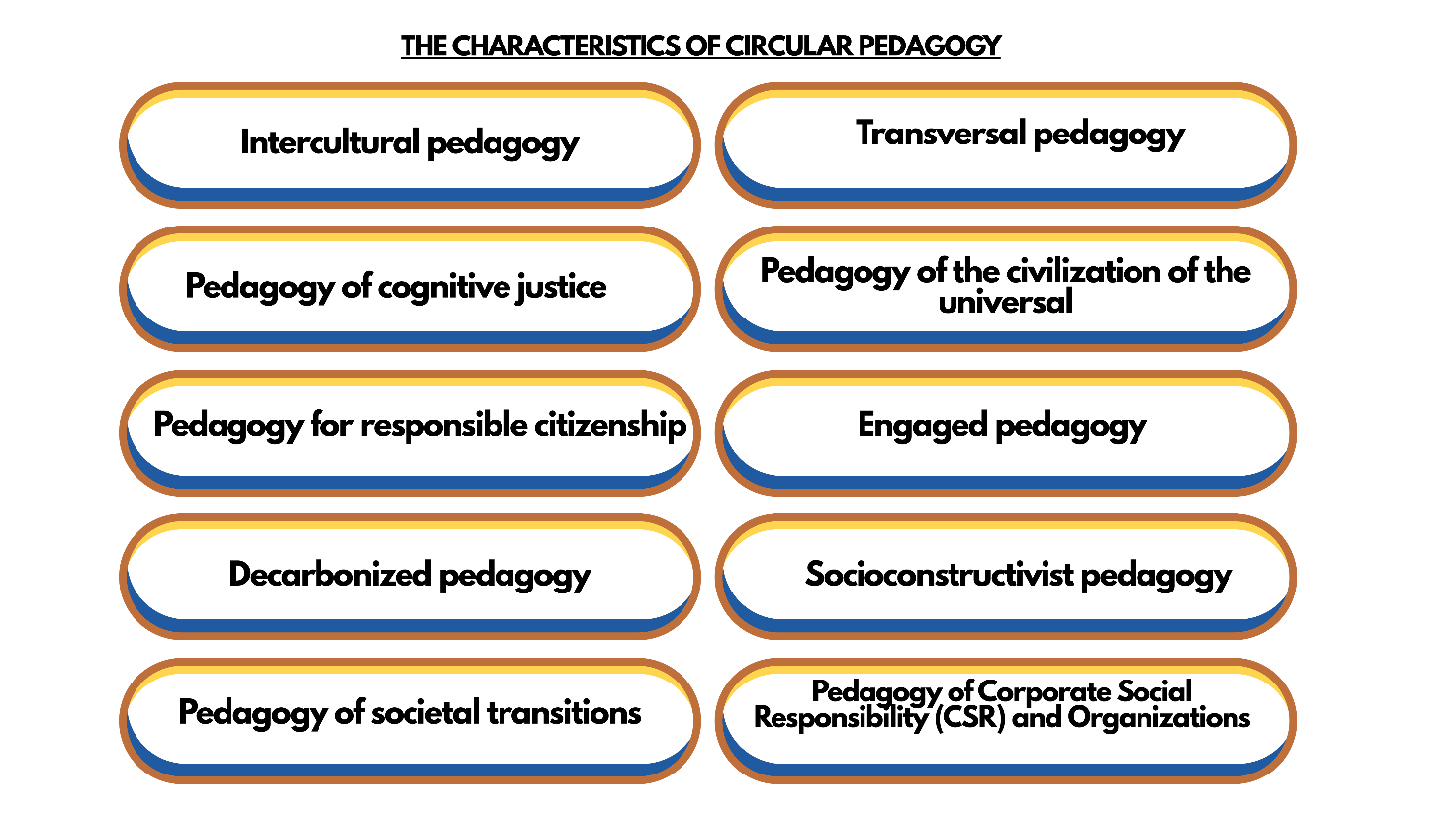
Figure 2. The characteristics of circular pedagogy. Source: Author.
4.4. The place of collective competences in circular pedagogy
This study focuses on collective competences within the circular economy framework. The concept of collective competence is defined here as an “evolutionary process, a social construct, a source of performance, a defined socio-economic and psychological field, and a matter of situational intelligence” (Dupuich, 2011). Collective competences differ from individual competence in its social and organisational dimensions. For Rabasse (1997), collective competences can be defined as “a combination of differentiated knowledge put into practise with a view to achieve a common goal.” Collective competences are grounded in supportive interactions coordination, group cohesion and the development of shared language. It is also closely linked to the development of shared representations. In this case, “collective competencies emerge and develop through shared mental representations and common reference frameworks, which enable effective regulation of work situations” (Chabani & Bendaoud, 2011, p. 54). This concept of collective representations was formalised by Emile Durkheim (1898), who distinguished between individual and collective representations (shared beliefs). This notion of collective representations was adapted into social representations by Moscovici in 1961 in his book La psychanalyse, son image et son public. The author thus laid the foundations for the theory of social representations, which he defined as “a system of values, notions, and practices relating to objects, aspects or dimensions of the social environment, which not only enables the stabilisation of the living environment of individuals and groups, but also constitutes an instrument for guiding the perception of situations and the development of responses” (Moscovici, 1961/2004, p. 125). According to Jodelet (1989a, p. 36), “representations are a form of knowledge socially constructed and shared, with a practical purpose and contributing to the construction of reality common to a social group.” In this regard, “social representations play a key role in the construction of collective skills as the ability of a working group to combine individual and collective knowledge, know-how and interpersonal skills to achieve a common goal, most often derived from a shared vision” (Elamé, 2016a). These collective competences are by no means a mathematical sum of individual contributions. They emerge from exchanges, mutual support and the management of dysfunctions between members. Collective skills constitute a common repository of images and opinions, a form of socially, culturally developed and widely shared knowledge, which results from a common and progressive development. As Grimand (1996) notes, “this development is not spontaneous. It requires space for discussion and the confrontation of different points of view on the work, on the part of actors with sometimes divergent interests and challenges.” Over time, through experience, problem-solving, and collaborative inquiry, a common frame of reference is progressively constructed (Le Boterf, 1994). Collective competence is therefore dynamic, processual, and discursively negotiated within practice.
It reflects individuals’ search for coherence in action, aimed at strengthening their capabilities and fostering the synergies that contribute to overall organisational performance. According to Dupuich (2011, p. 112), “collective competence integrates individual actions, interpersonal interactions at work, and decision-making as variables for action in highly complex and evolving environments.” To enhance the positive impact of collective competence on team performance, organisations should encourage shared leadership and continuous coaching. This requires recognition of what Dupuich describes as perceptive collective intelligence, “observable when dispersed information held by different individuals is mobilised to build consensus for collective action through both individual and collective cognitive processes” (Dupuich, 2011, p. 112). Another influential definition of collective intelligence is proposed by Lévy (1994). For Lévy, collective intelligence is “intelligence that is distributed everywhere, constantly valued, coordinated in real time, and results in the effective mobilisation of skills.” Collective intelligence can therefore be understood as a structured social process that reveals and develops shared capabilities while generating synergies oriented toward common objectives.
The central issue concerns how collective competence in the circular economy is created and developed within organisations. In practice, a shared framework for circular transition emerges progressively as teams gain experience in addressing the challenges posed by the linear economic model. This often involves its critical examination and gradual transformation through collaborative action and the search for relevant and meaningful alternatives. This process requires the sharing of knowledge, tools, and working methods in order to construct common understandings and coordinated practices in the circular economy. In the current context, building a strong collective memory is equally important. By capitalising on past experiences, organisations can strengthen their capacity for innovation and improve future sustainability performance. Collective cooperation generates synergies that enable the accomplishment of complex tasks that would exceed individual capacities. Examining collective competence in the circular economy is particularly relevant, as it mobilises interconnected systems of knowledge that guide action in response to specific and complex tasks. However, collective competence in this domain should not be viewed as exclusive to the corporate sphere. Although organisations play a major role in mobilising coordinated expertise, such competence can also be developed in other contexts. Collective competences in the circular economy can also be expressed in learning and training contexts, particularly through the acquisition of operational skills, professional knowledge, and shared methods that can be repeatedly applied to enhance performance, organisation and management practices. In this regard, capacity-building initiatives that integrate knowledge with actionable variables can generate collective outcomes that strengthen group capabilities.
Within this framework, individuals become organisers of their own work and active contributors to organisational objectives. Training structures should provide supportive environments that enable them to mobilise and optimise their resources effectively. Collective competence related to the circular economy can also be developed in schools, involving teachers, administrative staff, pupils, and parents. For example, learning collectively how to sort waste, improve selective collection systems, and implement them at school, at home, and within the wider community illustrates the deployment of shared competence involving pupils, parents, teachers, and administrative staff. The same applies to collective competences, which enable communities to act locally while maintaining a global perspective.
4.5. Beyond education for sustainable development: the expanding role of circular pedagogy
The major social environmental challenges that emerge in the twentieth century persist and are becoming increasingly pressing. These challenges require individuals, communities, and decision makers to develop greater awareness of global risks and responsibilities. Education, particularly through initiatives promoted by UNESCO, plays a central role in raising awareness of global challenges. In this context, Environmental Education (EE) emerged in the 1980s. With the emergence of the concept of sustainable development, EE evolved into education for sustainable development (ESD) in the 1990s. Its purpose was to play a central role in raising awareness and educating present and future generations about sustainability. ESD therefore serves as a key instrument within schools for implementing a comprehensive sustainability approach at the core of educational projects. At the operational level, some states and educational institutions worldwide have acknowledged this role. However, the level of engagement among states and schools remains insufficient. Many governments have yet to provide schools with adequate tools and resources to effectively implement sustainability education. Even after several decades, relatively few countries have developed comprehensive ESD programmes supported by sufficient resources. In many contexts, there is also a lack of applied and transformative approaches whether disciplinary, interdisciplinary, or transdisciplinary that would enable pupils to develop the diverse competences needed to guide their personal and professional trajectories.
Education for sustainable development is increasingly oriented towards integrating the circular economy. It aims to function as transformative education by systematically developing competences related to the circular economy. When it integrates circular economy principles, ESD can provide young people with analytical tools to understand future global challenges from sustainability perspective. This enables them to engage actively in shaping more circular economic models. Such an approach seeks to foster critical thinking about resource use, waste reduction, and sustainability, while also encouraging creativity and collective intelligence. It addresses all educational levels and subject areas. It requires the involvement of teachers across disciplines. The objective is to integrate circular economy principles into each subject area and to use disciplinary content as a means of fostering sustainability awareness. Wider integration of circular economy principles within ESD frameworks remains necessary. Accordingly, circular economy concepts should be systematically incorporated into the themes, pedagogical approaches, and sustainability issues addressed in school curricula.
5. Discussion: from circular pedagogy to sustainable education
The circular economy seeks to rethink current modes of production and consumption, which are widely considered energy-intensive and incompatible with carbon neutrality. Carbon neutrality, in turn, is increasingly presented as a key response to climate change, which is already affecting the entire planet. Across the globe, extreme weather events such as droughts, heat waves, heavy rainfall, floods, and landslides are becoming more frequent and intense. Rising sea levels, ocean acidification, and biodiversity loss are additional consequences of accelerating climate change. Limiting global warming to 1.5°C is widely regarded as essential for achieving carbon neutrality by 2050. Achieving this objective requires strong and sustained educational action, it calls for the development of a structured and operational circular pedagogy.
5.1. Challenges of circular pedagogy
Circular pedagogy proposes new approaches to enhance the effectiveness of education in addressing climate change. Current learner behaviours and practices require fundamental re-examination. This implies transforming education systems to promote the proactive development of civic values. Through a comprehensive and interdisciplinary approach, circular pedagogy should contribute to the development of a more conscious, responsible, and sustainable society capable of addressing the challenges associated with circular transition (see Figure 3). There is an urgent need for a more impactful pedagogy capable of mobilising learners to adopt sustainable choices in design, production, and consumption. Such an approach should also encourage attitudes and lifestyles that extend product lifespans, prioritise use over ownership and promote reuse and recycling.
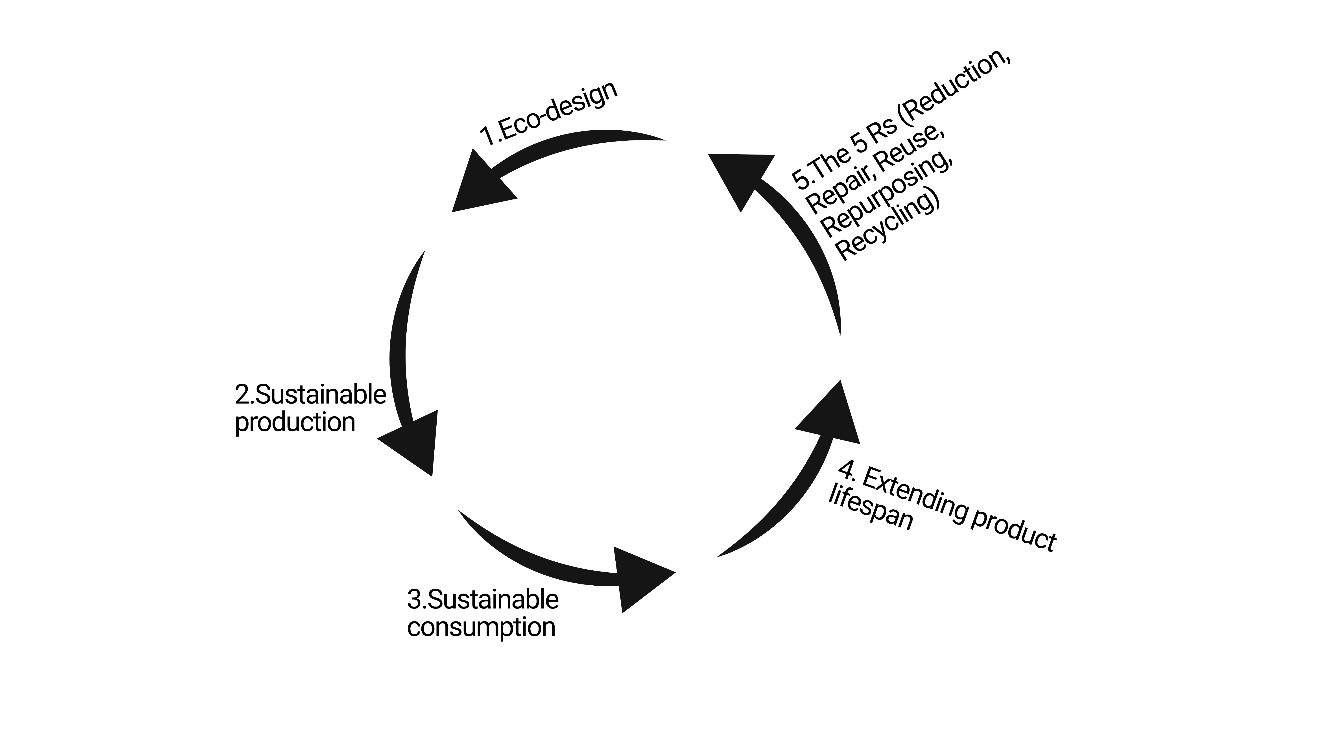
Figure 3. The main challenges of circular pedagogy. Source: Author.
Grounded in the principles of sustainable development, circular pedagogy seeks to integrate circular economy concepts across all levels of schooling and subject areas. This integration should occur through diverse educational activities involving pupils, teachers, supervisors and administrative staff, as well as parents. Circular pedagogy represents a transformative approach that seeks to address climate change, pollution, and biodiversity loss. It is increasingly necessary to strengthen civic awareness and promote a societal shift towards significantly reducing waste generation.
5.2. From circular pedagogy to circular didactics
Circular pedagogy is likely to play a central role in modern education. It will need to draw on a range of theories, methods, and practices designed to facilitate learning in the field of the circular economy. It focuses on how knowledge of the circular economy is transmitted and how learners acquire, assimilate, and apply this knowledge. Circular pedagogy is therefore oriented towards generating knowledge that is firmly grounded in the principles of the circular economy. It represents a socio-constructivist pedagogical approach aimed at questioning and transforming the assumptions of the linear economy.
Unlike circular pedagogy, which operates at a broader level, circular didactics primarily focuses on disciplinary teaching while also engaging with multidisciplinary, interdisciplinary, and transdisciplinary perspectives. For example, it raises the following question: what disciplinary or interdisciplinary knowledge and content are necessary to educate learners about the circular economy? How can a learning framework align with the circular economy be developed across disciplines? What pedagogical processes should be used to teach the principles of circular economy? Circular didactics aims to integrate circular economy principles into each academic discipline while remaining consistent with its core educational objectives. It also contributes to fostering responsible citizens who are aware of the challenges of carbon neutrality and circular economic systems. From a didactic perspective, it examines how circular economy principles can be integrated into curricula through cross-disciplinary and practices-oriented approaches that combine knowledge acquisition with awareness of environmentally responsible behaviour. This requires aligning school curricula with circular economy principles while implementing active teaching methods and project-based learning.
5.3. Circular pedagogy: education for responsible behaviour
In a world facing major global challenges, particularly urgent environmental issues, it is necessary to implement educational practices that serve as key levers for building a more sustainable future. Education must foster responsible citizenship by raising learners’ awareness and preparing them to become informed, tolerant, and socially responsible individuals capable of acting proactively in managing both intra-generational and intergenerational relationships in order to ensure planetary sustainability. The circular economy requires individuals to make responsible choices throughout their lives. It also calls for the adoption of responsible behaviours that acknowledge the urgency of responding to major global challenges. There is therefore a need for teaching methods that help pupils understand the importance of responsible resource consumption and the transition toward a waste-free society. Schools urgently need targeted initiatives and innovative educational practices that encourage learners to become agents of positive and sustainable change. This approach, referred to here as circular pedagogy, has a practical dimension in that it encourages learners to adopt responsible consumption habits aimed at reducing resource use and promoting the repair, reuse, and recycling of products. The circular pedagogy discussed here aims to prepare learners for a sustainable future by encouraging the adoption of behaviours necessary to protect the planet through effective awareness-raising. Circular pedagogy promotes values and behavioural practices that aim to limit resource extraction, reduce waste production, lower energy consumption, and prepare learners for emerging professions related to the principles of the 5Rs. Thus, circular pedagogy contributes to education, training, and raising awareness among learners in support of the transition to a low-carbon society. It represents a post-carbon educational approach that raises awareness of carbon footprints and encourages students to adopt more sustainable behaviours. Circular pedagogy should therefore promote innovative teaching practices that help establish a culture of sustainability in schools and prepare learners to address the challenges of climate change.
5.4. The eight pillars of circular pedagogy
Circular pedagogy is based on a set of principles derived from those of the circular economy, which involve multiple fields of intervention. These pillars draw on insights from cognitive science and aim to support effective learning about the circular economy. They promote pedagogical approaches that help embed knowledge of circular economy more firmly in learners’ memory.
- Pillar 1: Education in eco-design. Circular pedagogy emphasises learning about eco-design. Learners must understand the life cycle of products and services, including the environmental impacts associated with each stage. They should also learn how to integrate environmental considerations into product design in order to ensure recyclability at the end of a product’s life.
- Pillar 2: Education in industrial ecology. Industrial ecology refers to a set of practices that apply the operating principles of natural ecosystems to human activities, particularly industrial systems. Industrial ecology therefore aims to design and organise production systems so that they operate in closed loops. In this sense, it seeks to minimise losses and transform one organisation’s waste into resources for another. Inspired by natural ecosystems, industrial ecology encourages companies to move from a linear model extract, produce, consume, discard to a circular model in which each material flow is optimised and properly utilised. This paradigm shift makes industrial ecology a fundamental pillar of the circular economy. Circular pedagogy therefore serves as an important tool for raising awareness and developing knowledge and skills related to industrial ecology.
- Pillar 3: Education in functional ecology. In practical terms, functional ecology is an economic model that focused on providing services linked to the use of goods rather than transferring ownership of those goods. In this model, economic transactions are no longer based on the transfer of ownership, as goods remain the property of the producer throughout their life cycle. In this model, the use of product is sold rather than the product itself. This pillar therefore requires a specific educational approach aimed at developing eco-friendly practices. For example, learners can be shown that it is now possible to rent equipment such as photocopiers or printers, rather than purchasing them. Examples of companies operating within the functional economy can be used as case studies to illustrate this model to learners.
- Michelinsells mobility services based on kilometres travelled rather than tyres themselves. The company offers transport firms tyre management contracts based on mileage, including maintenance and retreading services. This model helps reduce the consumption of raw materials and energy.
- Clarlightcharges for lighting services based on usage time, optimising equipment maintenance and lifespan. The company sells light (“Light-as-a-service”) rather than light bulbs. It installs smart LED systems, manages maintenance and charges customers according to actual lighting time, thereby reducing energy consumption.
- Elisspecialises in the rental of professional workwear. The company supplies garments for hire together with maintenance services. These garments are designed to be durable and recyclable, thereby optimising their life cycle.
- BlaBlaCarprovides shared mobility services through carpooling. The principle is to share vehicle use, thereby reducing the number of individual cars on the road in circulation.
- Monjoujou.comis a toy rental service that provides toys along with maintenance and cleaning services.
- Valwast is a waste management company that offers subscription-based bio-waste dehydration and recovery solutions. Under this model, client companies do not need to own the processing equipment.
- Mobilwoodoffers wooden furniture through a service model in which the manufacturer ensures maintenance and the reuse of material.
Self-service bicycle systems in many European cities also illustrate the principles of the functional economy. Circular education is therefore closely linked to an understanding of an engagement with functional economy. Introducing education on functional ecology provides an important opportunity to prepare learners to understand and apply this socially responsible economic model.
- Pillar 4: Education for waste reduction. This aims to develop environmental awareness and responsible behaviour in order to reduce waste production. Learners should be made aware of the importance of limiting packaging
- Pillar 5: Education on repair. This aims to develop ecological awareness and responsible behaviour to extend the lifespan of products. Learners must be made aware of the importance of using repair services.
- Pillar 6: Education to repurpose. This provides learners with practical training in practices of repurposing materials.
- Pillar 7: Education to reuse. This raises awareness and encourages the adoption of reuse practices through concrete actions.
- Pillar 8: Education on recycle. This raises awareness and provides training in waste management and recycling practices.
Education on reuse and recycling develops responsible behaviour among learners through everyday eco-friendly actions such as repair, waste reduction, packaging reduction, selective sorting, composting and methanisation. The eight pillars are summarised in Figure 4.
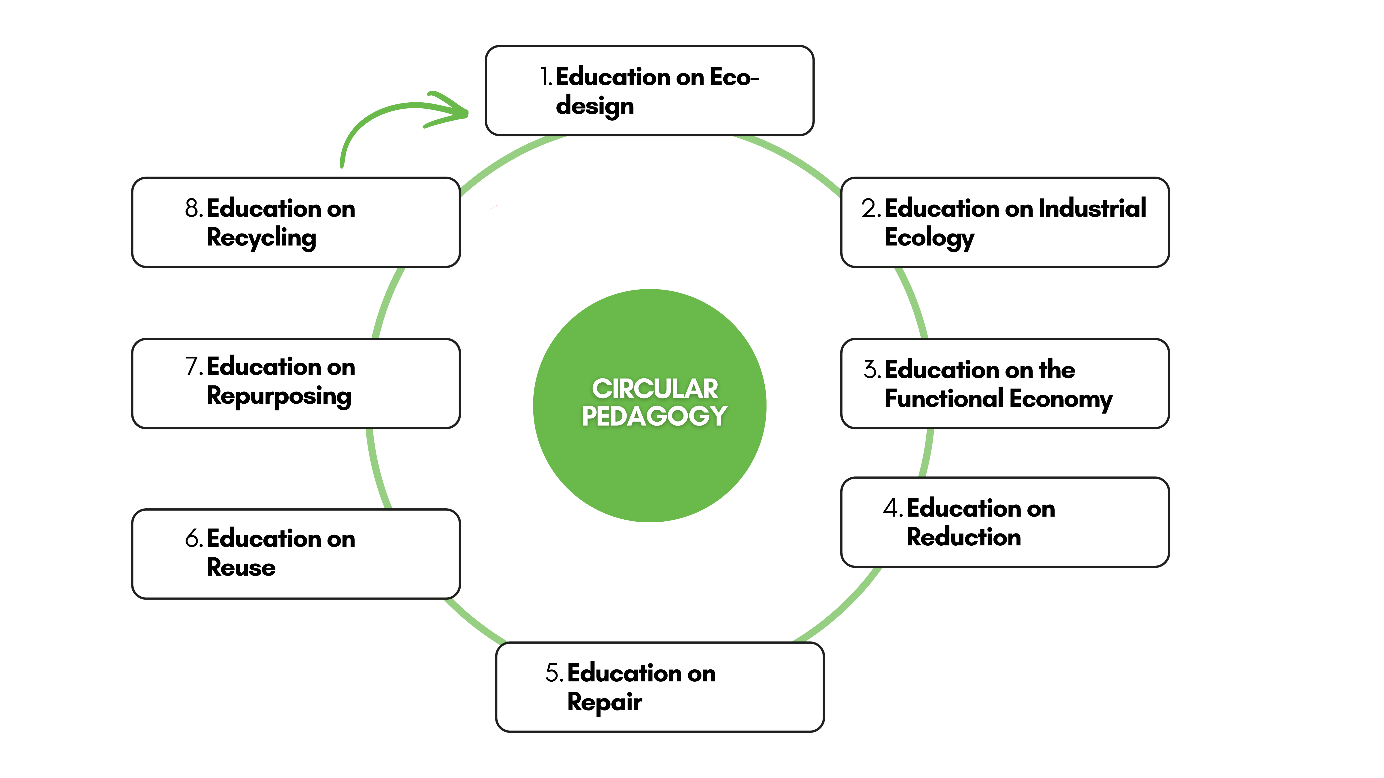
Figure 4. The eight pillars of circular pedagogy. Source: Author.
5.5. What are the interactions between circular pedagogy and cross-disciplinary education?
Circular pedagogy can be understood as a 5R pedagogy that closely interacts with various forms of cross-curriculum education, such as environmental education, education for sustainable development, global health education, education for development and international solidarity, and citizenship education. In interaction with other cross-curricular forms of education, circular pedagogy offers learners the opportunity to learn cooperatively through rules that are carefully considered and collectively agreed upon. Circular pedagogy aims to contribute to societal transformation. It aims to demonstrate to learners that ecological transition is achievable and that the circular economy is not limited to idealistic visions but represents a realistic pathway for societal change.
6. Conclusion
To address current planetary limits, strong measures must undoubtedly be taken to combat climate change, biodiversity loss, and deforestation, which negatively affect the Earth system. These major challenges require the adoption of the circular economy as a new economic model capable of transforming waste from linear economy into secondary raw materials. This transition requires circular pedagogy, an active approach that prepares learners to adopt responsible behaviours and sustainable practices within the circular economy. It provides cognitive tools and conceptual frameworks that help structure learners’ understanding of the circular economy and encourage the development of responsible behaviours.
References
Amherdt, C. H., Dupuich-Rabasse, F., Emery, Y., & Giauque, D. (2000). Compétences collectives dans les organisations: Émergence, gestion et développement. Presses de l’Université Laval.
Bruner, J. S. (1996). The culture of education. Harvard University Press.
Bruner, J. S. (1984). Vygotsky’s zone of proximal development: The hidden agenda. New Directions for Child and Adolescent Development, 1984(23), 93–97. https://doi.org/10.1002/cd.23219842309
Bruner, J. S. (1983). Le développement de l’enfant: Savoir-faire, savoir dire. PUF. M. Deleau, Trans.
Bruner, J. S. (1960). The process of education. Harvard University Press.
Chabani, S., & Bendaoud, Y. (2011). Les compétences collectives: Un nouveau concept dans le milieu professionnel. La Revue des Sciences Commerciales, 10(1), 40–59. Retrieved May 13, 2026, from https://asjp.cerist.dz/en/article/50005
Delors, J. (1996). L’éducation: Un trésor est caché dedans. Odile Jacob.
Dupuich, F. (2011). L’émergence des compétences collectives, vers une gestion durable. Gestion 2000, 28(2), 107–125. https://doi.org/10.3917/g2000.282.0107
Durkheim, É. (1898). Représentations individuelles et représentations collectives. Revue de Métaphysique et de Morale, 6(3), 273–302.
Elamé, E. (2022). Urbanisme durable interculturel au service de la ville africaine de demain. ISTE Group.
Elamé, E. (2016a). La ville durable interculturelle. L’Harmattan.
Elamé, E. (2016b). Pensée négro-africaine et représentations sociales. L’Harmattan.
Elamé, E. (2004). Interculturaliser le développement durable.
Elamé, E., Amilhat-Szary, A. L., & Juge, L. (2014). Social representations of secondary school teachers on sustainable development and their roles in the scholastic environment. Formazione & Insegnamento, 10(1), 203–230. Retrieved May 13, 2026, from https://ojs.pensamultimedia.it/index.php/siref/article/view/830
Ellen MacArthur Foundation. (2014). Towards the circular economy: Vol. 3. Accelerating the scale-up across global supply chains. Global Partners of the Ellen MacArthur Foundation. Retrieved May 13, 2026, from https://www.ellenmacarthurfoundation.org/towards-the-circular-economy-vol-3-accelerating-the-scale-up-across-global
Ellen MacArthur Foundation. (2013). Towards the circular economy: Vol. 2. Opportunities for the consumer goods sector. Founding Partners of the Ellen MacArthur Foundation. Retrieved May 13, 2026, from https://www.ellenmacarthurfoundation.org/towards-the-circular-economy-vol-2-opportunities-for-the-consumer-goods
Ellen MacArthur Foundation. (2012). Towards the circular economy: Vol. 1. Economic and business rationale for an accelerated transition. Founding Partners of the Ellen MacArthur Foundation. Retrieved May 13, 2026, from https://www.ellenmacarthurfoundation.org/towards-the-circular-economy-vol-1-an-economic-and-business-rationale-for-an
Ernst, I. (Ed.). (2002). Cultures urbaines et développement durable. Ministère de l’Aménagement du territoire et de l’Environnement. Edited book.
Freire, P. (2021). La pédagogie des opprimés. Agone.
Grimand, A. (1996). La notion de compétence en gestion des ressources humaines: De la controverse au construit opératoire. Université Lyon 3. Doctoral dissertation. Retrieved May 13, 2026, from https://theses.fr/1996LYO33010
IUCN, WWF, & PNUE. (1980). Stratégie mondiale de la conservation: La conservation des ressources vivantes au service du développement durable. UICN.
Jodelet, D. (1989a). La représentation sociale: Phénomènes, concept et théorie. In S. Moscovici (Ed.). Psychologie sociale (pp. 361–382). PUF.
Jodelet, D. (1989b). Les représentations sociales. PUF.
Lanoie, P., & Normandin, D. (2015). L’économie circulaire. Gestion, 40(3), 90–95. https://doi.org/10.3917/riges.403.0090
Le Boterf, G. (1994). De la compétence: Essai sur un attracteur étrange. Éditions d’Organisation.
Lévy, P. (1994). L’intelligence collective: Pour une anthropologie du cyberspace. La Découverte.
Moscovici, S. (2004). La psychanalyse, son image et son public. PUF. Original work published 1961.
Normandin, D., Sauvé, S., & McDonald, M. (2016). L’économie circulaire: Une transition incontournable. Presses de l’Université de Montréal.
Rabasse, F. (1997). Émergence de compétences collectives au regard des compétences individuelles, dans un processus de transfert des innovations technologiques, dans le domaine des technologies de l’information. CNAM. Doctoral dissertation. Retrieved May 13, 2026, from https://theses.fr/1997CNAM0298
United Nations Conference on Environment and Development. (1992). Agenda 21: The United Nations program of action from Rio. Retrieved May 13, 2026, from https://unesdoc.unesco.org/ark:/48223/pf0000116639
Vygotsky, L. S. (1997). Pensée et langage. La Dispute. F. Sève, Trans.; 3rd ed.; Original work published 1934.
Vygotsky, L. S. (1978). Mind in society: The development of higher psychological processes. Harvard University Press.
World Commission on Environment and Development (1987). Our common future. Oxford University Press.