Formazione & insegnamento, 24(02), 8643
Communication Skills and Soft Skills in Rehabilitation: A Research Project
Abilità comunicative e soft skills in riabilitazione: Un progetto di ricerca
ABSTRACT
In recent years, increasing attention has been devoted to soft skills in the workplace, prompting academic institutions to design educational programs aimed at strengthening these competencies. Situated at the intersection of Higher Education Studies and Health Professions Education within the rehabilitation context, this study examines transversal and communication skills among future rehabilitation professionals enrolled in undergraduate (Bachelor’s Degree, EQF level 6) and graduate (Master’s Degree, EQF level 7) programs. Although these competencies are considered essential for professional practice, the literature addressing them in rehabilitation education remains limited. A total of 41 students completed an online questionnaire assessing soft skills and communication attitudes through the Passport Test and the Communication Skills Attitude Scale, alongside socio-demographic variables. The results revealed significant correlations among transversal skills, between transversal skills and communication attitudes, and with age and work experience. These findings highlight the importance of systematically assessing and fostering soft skills from the early stages of training in order to enhance care quality, promote interprofessional collaboration, and mitigate stress and burnout.
Negli ultimi anni è stata dedicata crescente attenzione alle soft skills nel contesto lavorativo, spingendo le istituzioni accademiche a progettare percorsi formativi finalizzati al potenziamento di tali competenze. Collocato all’intersezione tra gli Studi sull’Istruzione Superiore e la Formazione delle Professioni Sanitarie nel contesto della riabilitazione, questo studio analizza le competenze trasversali e comunicative nei futuri professionisti della riabilitazione iscritti a corsi di laurea triennale (Bachelor’s Degree, livello EQF 6) e magistrale (Master’s Degree, livello EQF 7). Sebbene tali competenze siano considerate essenziali per la pratica professionale, la letteratura che le approfondisce nell’ambito della formazione riabilitativa risulta ancora limitata. Un totale di 41 studenti ha completato un questionario online volto a valutare le soft skills e gli atteggiamenti comunicativi attraverso il Passport Test e la Communication Skills Attitude Scale, insieme a variabili socio-demografiche. I risultati hanno evidenziato correlazioni significative tra le competenze trasversali, tra competenze trasversali e atteggiamenti comunicativi, nonché con l’età e l’esperienza lavorativa. Tali evidenze sottolineano l’importanza di valutare e promuovere sistematicamente le soft skills fin dalle prime fasi del percorso formativo, al fine di migliorare la qualità dell’assistenza, favorire la collaborazione interprofessionale e prevenire stress e burnout.
KEYWORDS
Soft skills, Communication skills, Rehabilitation sciences students, Passport test, CSAS
Abilità trasversali, Abilità comunicative, Studenti di scienze riabilitative, Passport test, CSAS
AUTHORSHIP
Conceptualization (E. Ritacco); Data curation (F. Andricciola); Formal analysis (F. Andricciola); Investigation (E. Ritacco); Methodology (P. Oliva); Supervision (P. Oliva); Writing – original draft (E. Ritacco); Writing – review & editing (F. Andricciola, P. Oliva).
ACKNOWLEDGMENTS
The authors would like to thank all the students who agreed to participate in this study.
CONFLICTS OF INTEREST
The authors declare no conflict of interest.
COPYRIGHT AND LICENSE
© Author(s). This article and its supplementary materials are released under a CC BY 4.0 license.
RECEIVED
February 9, 2026
ACCEPTED
July 13, 2026
PUBLISHED ONLINE
July 16, 2026
1. Introduction
In the current professional landscape, soft skills—transversal competencies that complement technical expertise—have emerged as fundamental determinants of professional effectiveness, team cohesion, and career development (Almalaurea, 2023; D’Amato et al., 2018; Lyu & Liu, 2021; Rainsbury et al., 2002; Rumiati, 2023). Unlike technical skills, which focus on specific tasks or procedures, soft skills enable individuals to navigate complex interpersonal interactions, manage stress, and adapt to rapidly evolving work environments (Continisio et al., 2021; Pellerey, 2016). These abilities often demand dedication, self-reflection, and continuous self-improvement; consequently, their systematic acquisition is less predictable and deeply intertwined with personal qualities, making their application unique to each individual. Often defined as “people skills,” they are typically developed through social experience and are recognized as intrinsic traits that can be actively cultivated to foster interpersonal relationships (Lamri & Lubart, 2023; Rumiati, 2023).
To understand the role of soft skills in health professions education, it is essential to frame them within modern patient-centered models of care. The conceptualization of health has evolved from a mere absence of disease to a dynamic “state of complete physical, mental, and social well-being” (WHO, 1948), shifting from a static definition to an ongoing process encompassing multiple interconnected dimensions (Caschera & Savino, 2020; Giarelli & Venneri, 2009). This paradigm is well-illustrated by Ardigò’s (1997) “Health Quadrilateral” which integrates ecological dimensions into the WHO framework, highlighting the complex equilibrium required to maintain health as a daily resource (Giarelli & Venneri, 2009). Within this dynamic process, patients are actively involved in managing their health, prompting healthcare professionals to prioritize patient-centeredness and the therapeutic-educational relationship. This necessity became even more acute following the COVID-19 pandemic, which underscored the collective dimension of human health and the urgency of training healthcare professionals capable of meeting changing societal needs while safeguarding their own physical and psychological well-being (Ingusci et al., 2023).
In healthcare, and especially within the field of rehabilitation, professionals operate in emotionally charged and relationally complex contexts, engaging in continuous interaction with patients with disabilities and their families. This requires not only clinical expertise but also the ability to respond to diverse emotional states, recognize unexpressed needs, and facilitate collaboration among multiple stakeholders (Caschera & Savino, 2020; Continisio et al., 2021). Within the framework of medical and health professions education, developing these competencies is not merely an optional addition to technical training, but a core component of transformative learning and professional identity formation (PIF) (Cruess et al., 2014; Jarvis-Selinger et al., 2012; Van Schalkwyk et al., 2019). This educational perspective is reflected in the Council of the European Union’s 2018 Recommendation on Key Competences for Lifelong Learning, which emphasizes the ability to reflect upon oneself, manage time and information, work constructively with others, show empathy, remain resilient, and manage conflicts (European Commission, 2019). Similarly, the OECD Learning Framework 2030 highlights empathy, self-efficacy, critical and creative thinking, adaptability, and conflict management as essential competencies for students to effectively apply their knowledge in dynamic and unfamiliar circumstances (OECD, 2018).
Among these competencies, empathy represents a cornerstone of humanized care and a pillar of professional competence (Hernandez-Xumet et al., 2023). It allows clinicians to perceive patients’ emotions, establish trust, and encourage patients to articulate concerns they may not be fully aware of, thereby enhancing therapeutic engagement and adherence. However, balanced emotional regulation is vital, as insufficient empathy impairs clinical relationships, whereas excessive empathy risks condescension, emotional over-involvement, or clinical failure (Rumiati, 2023). Emotional intelligence—the capacity to understand and regulate one’s own emotions while responding appropriately to others—is therefore critical to professional identity formation, strengthening a clinician’s capacity to perform under stress (Caschera & Savino, 2020; Rumiati, 2023). In rehabilitation settings, the absence of these emotional regulation skills can lead to a sense of vulnerability and professional disorientation, manifesting as psychosomatic distress individually, and deteriorating relationships with both patients and colleagues (Duò et al., 2017). When professionals fail to manage the high emotional burden of patient narratives, they become susceptible to emotional burnout. Conversely, targeted interventions aimed at enhancing resilience serve as a protective factor, as professionals with stronger problem-solving strategies exhibit less vulnerability to stress (Cacciatori et al., 2021). Given the interdependency of these skills, fostering resilience not only mitigates burnout but also enhances overall soft skills performance and workplace productivity (Caschera & Savino, 2020).
Leadership within healthcare settings has increasingly shifted from hierarchical control to collaborative, motivating approaches that promote cohesion and collective problem-solving (D’Amato et al., 2018; Goleman, 2020; Petrella, 2024). Grounded in emotional intelligence, effective leadership and decision-making skills allow professionals to navigate unpredictable situations, evaluate alternatives, and implement solutions that integrate diverse perspectives (D’Amato et al., 2018; Pellerey, 2016). Communication skills are central to both leadership and direct patient care, serving as the vehicle through which the biopsychosocial model is enacted. Empathetic and effective communication shifts clinical practice away from a cold, unidirectional transmission of words, ensuring that the patient is viewed as a whole person (Le Grottaglie, 2023; Righetti & Vizziello, 2024). When a patient perceives genuine interest and active listening from a professional, they are more likely to participate actively in the treatment, resulting in improved clinical outcomes and more robust informed consent (Immacolato, 2010; Le Grottaglie, 2023). Furthermore, tailoring communication to the patient’s preferred representational systems (visual, auditory, kinesthetic, or logical) and observing paraverbal cues aligns the clinician with the patient’s expectations, fostering empowerment (Le Grottaglie, 2023; Secci & Duò, 2018). Conversely, overreliance on technical jargon creates distance and limits intervention effectiveness.
Organizational and cognitive competencies, such as time management and task prioritization, further complement these relational skills, facilitating efficient team functioning and reducing workplace stress (Continisio et al., 2021; Pellerey, 2016). In highly dynamic, digitalized healthcare environments, soft skills frequently determine professional efficacy, career advancement, and organizational outcomes to a greater extent than technical skills alone (D’Amato et al., 2018). Despite their acknowledged value in fostering professional resilience and quality of care, the integration of these skills within formal education remains uneven. Soft skills are frequently marginalized or under-taught in university curricula compared to hard skills (Continisio et al., 2021). Recognizing this gap, educational authorities, such as the Italian Ministry of Education, Universities and Research (MIUR, 2019), have emphasized the necessity of enhancing student-centered education through guidelines for transversal competencies and orientation. These guidelines advocate greater collaboration with local professional contexts and the design of effective educational pathways that integrate core academic subjects with soft skills development.
The aim of the study is to explore higher education processes and to investigate transversal competences (soft skills) as well as communication skills in students enrolled in the Bachelor’s Degree Programs in rehabilitation health professions and in the Master’s Degree Program in Rehabilitation Sciences, which correspond respectively to EQF Levels 6 and 7 within the European Qualifications Framework; and to assess whether and how these factors interact with one another. This study is particularly relevant as there is currently little evidence in the literature investigating how university programs in rehabilitation actively cultivate these competencies before students enter the workforce, representing a critical phase in their professional identity formation (Cruess et al., 2014).
2. Materials and Methods
2.1. Participants
A total of n = 41 university students took part in the study (31.12 ± 9.65). Of these, n = 26 were attending the second year of the Master’s Degree (EQF Level 7) Program in Rehabilitation Sciences of the Health Professions, and n = 15 were attending the first and third years of the Bachelor’s Degree (EQF Level 6) Programs in Speech Therapy and Physiotherapy. The study was conducted at a university in Italy. A descriptive overview of the sample is reported in Table 1.
Degree programme / year | n | Age, M | Age, SD | Female, n | Female, % |
|---|---|---|---|---|---|
1st- and 3rd-year L/SNT2 | 15 | 24.4 | 6.83 | 11 | 73.3 |
2nd-year LM/SNT2 | 26 | 35.0 | 8.96 | 20 | 76.9 |
Table 1. Sample description by age, gender, and undergraduate (L/SNT2; EQF Level 6) and graduate (LM/SNT2; EQF Level 7) degree programs.
2.2. Instruments and Procedure
For the purposes of conducting the study, the Passport Test (Emanuel et al., 2022) and the Communication Skills Attitude Scale (Ferrari et al., 2017; Rees et al., 2002) were administered via a Google Forms questionnaire to assess soft skills and communication skills, respectively.
The Passport Test, developed and validated within the Passport Project at the University of Turin, is an instrument designed for university students, with the aim of enabling the self-assessment of soft skills (Emanuel et al., 2022). It is structured around four different areas, namely the task area, the self area, the motivational area, and the interpersonal relationships area, encompassing a total of 12 sub-skills. The task area includes skills related to the individual’s ability to face and solve tasks, make decisions, and manage work and time. The self area comprises the individual’s ability to effectively manage their emotions, recognize their own value, and act autonomously even in the absence of external stimuli. The motivational area refers to skills that facilitate goal attainment, the way individuals interpret and make sense of their experiences, and how they manage stressful situations. Finally, the interpersonal relationships area includes relational competences and the strategies employed to communicate effectively and manage conflicts (Emanuel et al., 2022).
The task area includes 35 items, the self area 39 items, and both the motivational area and the interpersonal relationships area include 31 items each. The soft skills encompassed within these areas are illustrated in detail in the following figure.
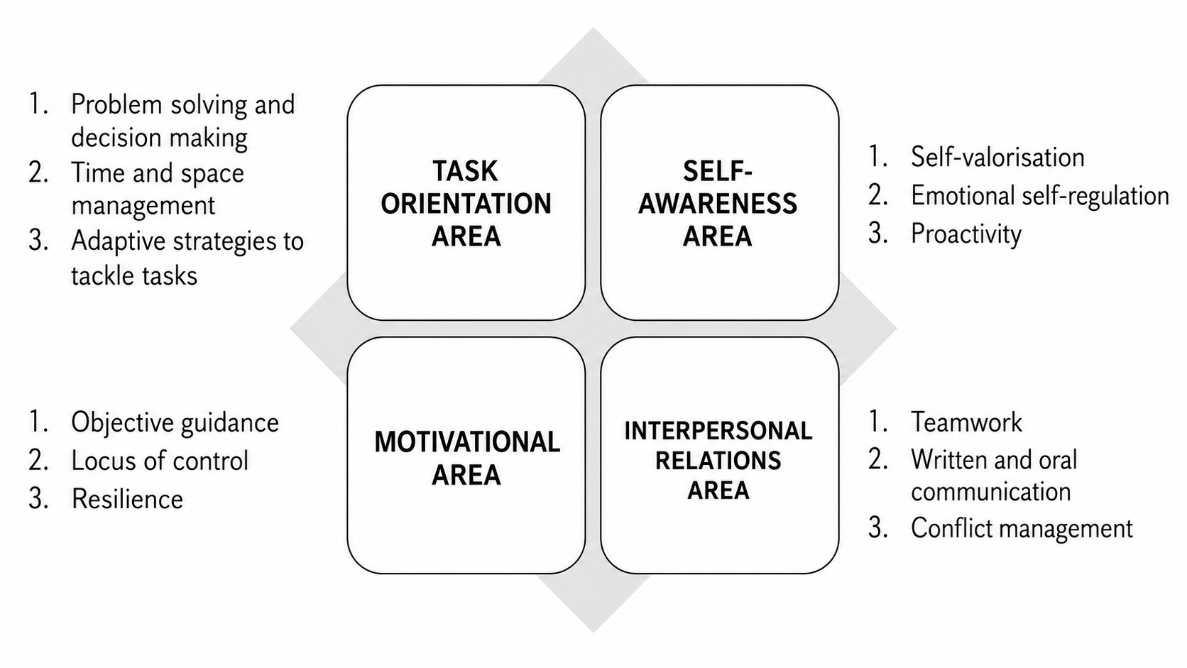
Figure 1. The Passport.Unito model (Emanuel et al., 2021, 2022; CC BY-NC-ND 4.0).
For each item, participants are asked to express their responses on a 6-point Likert agreement scale, with 1 indicating strongly disagree and 6 indicating strongly agree. After completing this test, based on normative scores, it is possible to obtain the individual’s soft skills profile. The participant’s score can fall below average, at the average, or above average compared to the reference sample, and this quantitative description is accompanied by a narrative explanation that clarifies its meaning (Emanuel et al., 2022).
The second instrument used, aimed at investigating students’ propensity to develop adequate communication skills, as previously mentioned, is the CSAS, or Communication Skills Attitude Scale (Ferrari et al., 2017). The CSAS consists of 26 statements, of which 13 are intended to investigate positive attitudes, the Positive Attitude Scale (PAS), and 13 investigate negative attitudes, the Negative Attitude Scale (NAS), toward developing communication skills. Each statement is accompanied by a 5-point Likert scale, ranging from 1 = strongly disagree to 5 = strongly agree, structuring the possible responses (Ferrari et al., 2017; Rees et al., 2002). The score of each subscale can range from 13 to 65, indicating the strength of positive or negative attitudes (Ferrari et al., 2017).
Starting from the original version developed by Professor Rees (2002), which aimed to investigate communication skills in medical students, it was possible to translate and validate it in Italian and administer it to nursing students (Ferrari et al., 2017). This Italian version of the CSAS, adapted for students in Bachelor’s and Master’s degree programs in rehabilitation health professions, is the instrument administered to the participants in this study.
In addition to the administration of these standardized instruments, participants were presented with questions designed to collect information regarding age, sex, degree program (Bachelor’s or Master’s), year of study, and any previous experience in the rehabilitation field, specifying its duration in years.
2.3. Ethical considerations
The study was conducted in accordance with institutional guidelines. Prior to completing the questionnaire, all participants were provided with detailed information about the study and gave their informed consent. Responses were collected anonymously and treated confidentially in accordance with data protection regulations.
2.4. Statistical analysis
All statistical analyses were conducted using SPSS version 24 (IBM, New York, NY, USA). Since the data did not follow a normal distribution, as verified by the Shapiro-Wilk test (p ≤ 0.05), non-parametric statistical tests were applied. Descriptive frequencies were first calculated for the Passport Test to determine the percentage of the sample that fell below average, at the average, or above average compared to the reference population. Subsequently, correlation analyses were performed to evaluate the relationships between the different dimensions assessed by the subscales of the Passport Test and CSAS questionnaires. Additional correlation analyses were carried out to explore the relationships between socio-demographic variables (age and work experience expressed in years) and the subscales of the Passport Test and CSAS.
Given the sample size and the nature of the distributions, Spearman’s Rho coefficient was used for all analyses.
3. Results
3.1. Descriptive Frequencies – Passport Test
3.1.1. Task Area
The descriptive frequency analysis for the problem solving and decision making sub-skill showed that 17,1% of the participants scored below the average, 39% fell within the average range, and 43,9% scored above the average. Regarding the time management sub-skill, 17,1% of the subjects reported below-average scores, 46,3% fell within the average, and 36,6% scored above the average. Finally, in relation to the sub-skill adoption of appropriate strategies in task performance, 19,5% of the participants reported below-average values, 31,7% scored within the average, while the largest proportion of the sample (48,8%) positioned themselves above the average.
3.1.2. Self Area
With reference to the self-enhancement sub-skill, the descriptive frequency analysis highlighted that 12,2% of the participants scored below the average, 43,9% fell within the average range, and an additional 43,9% scored above the average. As for the tolerance of anxiety and stress sub-skill, 26,8% of the subjects reported below-average values and 39% average values, whereas 34,1% scored above the average. The emotional awareness sub-skill indicates that 14,6% of the participants positioned themselves below the average, 46,3% fell within the average, and 39% scored above the average. Lastly, regarding the initiative sub-skill, 12,2% of the sample reported below-average values, 29,3% average values, and 58,5% scored above the average.
3.1.3. Motivational Area
The descriptive frequency analysis for the goal orientation sub-skill showed that only 4,9% of the subjects scored below the average, 39% fell within the average range, and 56,1% scored above the average. Regarding the internal causal attribution in case of success sub-skill, 12,2% of the participants scored below the average, 24,4% fell within the average, while 63,4% reported above-average values. A different trend was observed for the internal causal attribution in case of failure sub-skill, where 36,6% of the subjects scored below the average, 43,9% fell within the average range, and 19,5% scored above the average. As for the resilience sub-skill, 12,2% of the participants reported below-average values, 31,7% scored within the average, and 56,1% above the average.
3.1.4. Interpersonal relationships Area
In the area of interpersonal relationships, the teamwork sub-skill shows that 12,2% of the subjects scored below the average, 41,5% fell within the average, and 46,3% scored above the average. Regarding the communication sub-skill, 12,2% of the participants positioned themselves below the average, 39% within the average, and 48,8% above the average. Finally, the conflict management sub-skill highlights that 7,3% of the subjects reported below-average values, 31,7% scored within the average range, and 61% positioned themselves above the average. A summary of the frequencies relative to the different areas is presented in Table 2.
Area | Dimension (sub-skill) | Below average (%) | Average (%) | Above average (%) |
Task Area | Problem solving e decision making | 17,1 | 39,0 | 43,9 |
Time management | 17,1 | 46,3 | 36,6 | |
Adoption of appropriate strategies in task performance | 19,5 | 31,7 | 48,8 | |
Self Area | Self – enhancement | 12,2 | 43,9 | 43,9 |
Tolerance of anxiety and stress | 26,8 | 39,0 | 34,1 | |
Emotional awareness | 14,6 | 46,3 | 39,0 | |
Initiative | 12,2 | 29,3 | 58,5 | |
Motivational Area | Goal orientation | 4,9 | 39,0 | 56,1 |
Internal causal attribution in case of success | 12,2 | 24,4 | 63,4 | |
Internal causal attribution in case of failure | 36,6 | 43,9 | 19,5 | |
Resilience | 12,2 | 31,7 | 56,1 | |
Interpersonal relationships Area | Teamwork | 12,2 | 41,5 | 46,3 |
Communication | 12,2 | 39,0 | 48,8 | |
Conflict management | 7,3 | 31,7 | 61,0 |
Table 2. Frequencies of Task Area, Self Area, Motivational Area, and Interpersonal Relationships Area.
3.2. Correlations between Passport and CSAS
The correlation analysis revealed a positive and significant relationship between the problem-solving sub-skill, which belongs to the task area, and the PAS subscale (ρ = .32, p = .03). This finding suggests that higher problem-solving abilities are associated with a greater tendency to communicate positively.
A significant correlation was also observed between the sub-skill of adopting appropriate strategies to address tasks (also part of the task area) and the PAS subscale (ρ = .46, p = .002). This indicates that a stronger capacity to approach academic and work-related challenges using suitable strategies is linked to enhanced positive communication skills. Consistently, this sub-skill was negatively correlated with the NAS subscale (ρ = –.45, p = .003), suggesting that increased strategic task management is associated with a reduced tendency toward negative communication.
A further negative correlation emerged between the self-enhancement sub-skill (self area) and the NAS subscale (ρ = –.46, p = .002), indicating that higher levels of self-enhancement correspond to a lower propensity for negative communication. Similarly, emotional awareness (self area) was negatively correlated with NAS (ρ = –.46, p = .002), highlighting that greater emotional awareness is accompanied by a reduction in negative communication. In line with these findings, the initiative sub-skill (self area) was also negatively correlated with NAS (ρ = –.45, p = .003), suggesting that a lower capacity to act proactively and consciously to influence one’s environment is associated with a greater tendency toward negative communication.
Area | Dimension (sub-skill) | Correlation with PAS | Correlation with NAS | Interpretation |
Task Area | Problem solving | ρ = .32 | Higher problem-solving skills were associated with higher positive communication | |
p = .03 | ||||
Adoption of appropriate strategies in task performance | ρ = .46 | ρ = –.45 | More effective strategies in task performance were associated with higher positive communication and lower negative communication | |
p = .002 | p = .003 | |||
Self Area | Self-enhancement | ρ = –.46 | Higher self-enhancement was associated with lower negative communication | |
p = .002 | ||||
Emotional awareness | ρ = –.46 | Higher emotional awareness was associated with lower negative communication | ||
p = .002 | ||||
Initiative | ρ = –.45 | Higher initiative was associated with lower negative communication | ||
p = .003 | ||||
Motivational Area | Internal causal attribution in case of success | ρ = .43 | ρ = –.36 | Explaining successes with internal causes was associated with higher positive communication and lower negative communication |
p = .004 | p = .02 | |||
Internal causal attribution in case of failure | ρ = .46 | Explaining failure with internal causes was associated with higher negative communication | ||
p = .002 | ||||
Resilience | ρ = .36 | ρ = –.39 | Higher resilience was associated with higher positive communication and lower negative communication | |
p = .03 | p = .01 | |||
Interpersonal relationships Area | Teamwork | ρ = .47 | ρ = –.46 | Higher teamwork was associated with higher positive communication and lower negative communication |
p = .002 | p = .002 | |||
Conflict management | ρ = .31 | ρ = –.35 | More effective conflict management was associated with higher positive communication and lower negative communication | |
p = .04 | p = .02 |
Table 3. Correlations between Passport Test and CSAS.
In the motivational area, a significant positive correlation was found between the sub-skill of internal causal attribution in case of success and the PAS subscale (ρ = .43, p = .004). This indicates that a stronger tendency to attribute successes to internal factors is associated with enhanced positive communication. Conversely, this sub-skill was negatively correlated with NAS (ρ = –.36, p = .02), implying that individuals who do not attribute their successes to internal causes tend to engage more in negative communication. Moreover, internal causal attribution in case of failure was positively correlated with NAS (ρ = .46, p = .002), suggesting that individuals who internalize failures are more prone to negative communication.
Resilience, also within the motivational area, was positively correlated with PAS (ρ = .36, p = .03), indicating that higher resilience is associated with more positive communication tendencies. Conversely, lower resilience was linked to a higher tendency for negative communication (ρ = –.39, p = .01).
In the interpersonal relationships area, teamwork skills showed a positive correlation with PAS (ρ = .47, p = .002), suggesting that greater collaborative ability is associated with enhanced positive communication. Conversely, lower levels of teamwork skills were linked to increased negative communication (ρ = –.46, p = .002). Similarly, conflict management skills were positively correlated with PAS (ρ = .31, p = .04) and negatively correlated with NAS (ρ = –.35, p = .02), indicating that effective conflict management supports positive communication, whereas poorer conflict management is associated with increased negative communication.
3.3. Correlations between Passport, CSAS, and Socio-Demographic Variables
Correlations were calculated between participants’ age and the subscales of the administered questionnaires, as well as between years of work experience and the same subscales.
Regarding age, a single positive and statistically significant correlation was found with the time management sub-skill (task area) (ρ = .35, p = .02). This suggests that, as age increases, students develop a greater ability to plan, organize, and manage their time effectively to achieve their objectives. No statistically significant correlations were found between age and the other Passport sub-skills or CSAS subscales.
A similar pattern was observed for work experience. Specifically, years of professional experience were positively and significantly correlated with the time management sub-skill (task area) (ρ = .41, p = .008), indicating that greater work experience is associated with enhanced ability to plan, organize, and utilize time efficiently, thereby supporting the achievement of personal and professional goals.
4. Discussion
The results obtained from the Passport test, particularly the sub-skills grouped across different domains, suggest a notable interdependence among competencies: individuals demonstrating proficiency in one area tend to exhibit similar strengths across others. This supports the idea that transversal skills develop as an interconnected system, rather than in isolation, aligning with holistic models of professional competence (Lamri & Lubart, 2023).
Analysis of the relationships between Passport areas and the CSAS subscales revealed specific correlations:
- Positive Attitude toward Developing Communication Skills (CSAS-PAS) was associated with higher performance in problem solving, resilience, orientation, teamwork, and conflict management.
- Negative Attitude toward Developing Communication Skills (CSAS-NAS) showed a broad inverse relationship with nearly all soft skills, particularly resilience, initiative, emotional awareness, and teamwork.
These findings highlight a potential imbalance in current higher education programs. Although these competencies are essential for effective healthcare provider–patient interactions, they often remain secondary to the development of technical skills, with limited integration in both theoretical and practical components of curricula. This suggests that students may lack sufficient awareness or mastery of soft skills, which could affect their ability to navigate complex clinical scenarios effectively. Within this context, a particularly significant result emerges from the correlation matrix in Table 3 regarding the motivational area. Crucially, explaining failure through internal causes (Internal causal attribution in case of failure) is positively and significantly associated with a greater tendency toward negative communication (NAS). This statistical relationship indicates that students who rigidly internalize academic or clinical failures, tending to self-blame or perceive mistakes as immutable personal shortcomings, are more prone to adopting dysfunctional, defensive, or hostile communication styles. In the literature of psychological and health professions education, this link between maladaptive attributional styles and relational distress is well-documented; when individuals lack a strategic attributional framework to process failure constructively, the resulting emotional burden triggers psychological defense mechanisms that directly impair interpersonal communication (Weiner, 1985). Failing to reflectively restructure errors fosters anxiety, which blocks empathy and manifests as negative communicative behaviors (Harrison et al., 2016). This highlights a critical area for targeted educational support, aligning with recent evidence that teaching students how to adaptively re-frame clinical and academic failures is crucial for protecting their future relational and communicative competence with patients (Seifert, 2004).
The integrated development of soft skills, evident in correlations across Passport domains, aligns with Rumiati (2023), particularly regarding the interplay between task-oriented and self-oriented competencies, highlighting how emotional processes are inseparable from decision-making; therefore emotional awareness emerges as a central dimension of professional performance, relevant not only for routine clinical tasks but also for responsibilities requiring autonomy and accountability. The concept of resonant leadership (D’Amato et al., 2018) reinforces this perspective, emphasizing the dynamic interactions between self-awareness, social awareness, self-management, and interpersonal relationship management. These competencies, central to Goleman’s (2020) model of emotional intelligence, mutually influence each other, and leadership grounded in emotional intelligence can positively affect professional team dynamics, engagement, and motivation. The transition from university education to professional practice further underscores these patterns. The negative correlation between emotional awareness and NAS is consistent with previous findings, including those reported by Ullrich et al. (2011), suggesting that speech therapists enhance their communication skills through increased empathic awareness. In this context, experiential laboratories and practical training activities within the degree program appear to play a crucial role in fostering planning, organizational, and time-management skills prior to workforce entry. This interpretation aligns with Continisio et al. (2021), who emphasized the central role of work-based experience in the acquisition of professional competencies.
5. Conclusions
The present study highlights the need to assess and strengthen soft skills and communication abilities within academic healthcare programs, adopting an educational perspective aimed at training professionals who are not only equipped with adequate technical competencies but are also able to recognize the development of their transversal skills and to use them consciously within the patient care process, which is increasingly oriented toward patient-centeredness. Greater patient satisfaction, achieved through the integration of hard and soft skills, is associated—thanks to transversal competencies—with improvements in the quality of the work environment, both in terms of relationships with team members and in the performance of managerial and leadership roles, while also limiting the onset of stress and anxiety and contributing to the maintenance of adequate levels of motivation.
Due to the stressful situations associated with patient care, healthcare professionals are particularly susceptible to burnout; in this regard, resilience may represent a protective factor, as individuals who possess more effective problem-solving strategies appear to be less vulnerable to stress (Cacciatori et al., 2021). In light of these considerations, the need to implement interventions aimed, for example, at enhancing professionals’ resilience skills becomes even more evident, with the likely consequence of improving other soft skills as well, given their interdependence.
With reference to undergraduate and master’s degree programs in the rehabilitation field, no studies were identified in the available literature reporting the use of the Passport test or the CSAS among students enrolled in these programs. This highlights the opportunity to implement these and other instruments designed to assess soft skills and communication abilities within educational pathways, allowing students to identify their level of competence at the beginning of their studies and monitor its progression over time, while integrating these competencies among the learning outcomes of rehabilitation curricula.
In line with a competency-based learning approach, rehabilitation education should systematically incorporate soft skills training through curricular and extracurricular activities, with particular emphasis on experiential methodologies such as role-playing laboratories and simulated clinical scenarios (Cimatti, 2016; Kechagias, 2011; Lavanya et al., 2024). These educational strategies provide opportunities to practice communication, teamwork, problem-solving, and emotional regulation in realistic contexts, while promoting reflective learning through structured feedback.
To further strengthen communication competencies, the adoption of structured communication models such as SBAR and AIDET (Burgener, 2017; Shrivastava et al., 2025) is recommended in both undergraduate education and continuing professional development. These frameworks can support effective communication among healthcare professionals and with patients, contributing to patient safety, therapeutic alliance, and interdisciplinary collaboration. Particular attention should also be devoted to active listening and to the appropriate integration of verbal, paraverbal, and nonverbal communication, including personalization of information, reformulation, confirmatory signals, and eye contact (Secci & Duò, 2018).
Finally, the integration of innovative educational technologies, including virtual reality and artificial intelligence-based interactive platforms (Rezayati, 2023), together with continuing education opportunities within the ECM system, may further support the development and maintenance of soft skills throughout rehabilitation professionals’ careers, fostering patient-centred care and effective multidisciplinary practice.
6. Limitations
The present study has several limitations, which can be attributed to the lack of previous research in the field of rehabilitation education with which to make comparisons, as well as to the study sample, which was not sufficiently large. Data were collected exclusively from students enrolled at a single university and, with regard to undergraduate degree programs in rehabilitation healthcare professions, only from students enrolled in Speech Therapy and Physiotherapy programs, which are currently the only active programs within this institution for the L/SNT2 degree class. Since the data not follow a normal distribution, a non-parametric statistical approach was adopted. While this choice ensures greater methodological consistency with the nature of the data, it also limits the inferential potential that more sophisticated statistical analyses could have provided.
Future research should consider implementing the same protocol across other Italian universities in order to expand the sample, also involving degree programs belonging to the aforementioned undergraduate degree class that are currently not represented. This would allow the inclusion of a greater number of subcategories of rehabilitation professional profiles.
References
AlmaLaurea. (2023). Soft skills: Ricorda di valorizzarle. Retrieved July 13, 2026, from https://www.almalaurea.it/lavoro/consigli-di-carriera/soft-skills
Ardigò, A. (1997). Società e salute: Lineamenti di sociologia sanitaria. FrancoAngeli.
Burgener, A. M. (2017). Enhancing communication to improve patient safety and to increase patient satisfaction. The Health Care Manager, 36(3), 238–243. https://doi.org/10.1097/HCM.0000000000000165
Cacciatori, I., Grossi, C., D’Auria, C., Bruneri, A., & Casella, C. (2021). La capacità di resilienza come un fattore di protezione per il burnout tra gli operatori sanitari: Uno studio cross-sectional condotto sui neoassunti dell’ASST di Lodi. Giornale Italiano di Medicina del Lavoro ed Ergonomia, 43(2), 131–136. https://doi.org/10.4081/gimle.410
Caschera, A., & Savino, S. (2020). Educare alla salute: Manuale di pedagogia generale e sociale per le professioni sanitarie. SaMa.
Cimatti, B. (2016). Definition, development, assessment of soft skills and their role for the quality of organizations and enterprises. International Journal for Quality Research, 10(1), 97–130. https://doi.org/10.18421/IJQR10.01-05
Continisio, G. I., Serra, N., Guillari, A., Simeone, S., Lucchese, R., Gargiulo, G., Toscano, S., Capo, M., Capuano, A., Sarracino, F., Esposito, M. R., & Rea, T. (2021). Evaluation of soft skills among Italian healthcare rehabilitators: A cross sectional study. Journal of Public Health Research, 10, Article 2002. https://doi.org/10.4081/jphr.2021.2002
Cruess, R. L., Cruess, S. R., Boudreau, J. D., Snell, L., & Steinert, Y. (2014). Reframing medical education to support professional identity formation. Academic Medicine, 89(11), 1446–1451. https://doi.org/10.1097/ACM.0000000000000427
D’Amato, V., Mazzara, D., & Tosca, E. (2018). Soft skills per il management: Elementi essenziali per affrontare le nuove sfide. Guerini Next.
Duò, C., Campus, M. E., Favero, G., Forresu, C., Prati, G., Romano, G., Secci, E. M., Olivieri, V., Zanovello, G., & Zocca, M. (2017). Non technical skills per professionisti sanitari: Un’introduzione. Ebookecm.
Emanuel, F., Ricchiardi, P., & Ghislieri, C. (2022). PassportTest: Uno strumento per rilevare le soft skill. Pensa MultiMedia.
Emanuel, F., Ricchiardi, P., Sanseverino, D., & Ghislieri, C. (2021). Make soft skills stronger? An online enhancement platform for higher education. International Journal of Educational Research Open, 2, Article 100096. https://doi.org/10.1016/j.ijedro.2021.100096
European Commission (2019). Key competences for lifelong learning. Publications Office of the European Union. https://data.europa.eu/doi/10.2766/569540
Ferrari, A., Terzoni, S., Ferrara, P., Provenzano, M., & Destrebecq, A. (2017). L’attitudine degli studenti di infermieristica a sviluppare adeguate abilità comunicative: Validazione in italiano della Communication Skills Attitude Scale (CSAS). L’infermiere, 2017(1). https://www.infermiereonline.org/2017/04/28/lattitudine-degli-studenti-di-infermieristica-a-sviluppare-adeguate-abilita-comunicative-validazione-in-italiano-della-communication-skills-attitude-scale-csas/
Giarelli, G., & Venneri, E. (2009). Sociologia della salute e della medicina: Manuale per le professioni mediche, sanitarie e sociali. FrancoAngeli.
Goleman, D. (2020). Intelligenza emotiva: Che cos’è e perché può renderci felici. BUR.
Harrison, R., Walton, M., Healy, J., Smith-Merry, J., & Hobbs, C. (2016). Patient complaints about hospital services: Applying a complaint taxonomy to analyse and respond to complaints. International Journal for Quality in Health Care, 28(2), 240–245. https://doi.org/10.1093/intqhc/mzw003
Hernández-Xumet, J. E., García-Hernández, A. M., Fernández-González, J. P., & Marrero-González, C. M. (2023). Beyond scientific and technical training: Assessing the relevance of empathy and assertiveness in future physiotherapists; a cross-sectional study. Health Science Reports, 6(10), Article e1600. https://doi.org/10.1002/hsr2.1600
Immacolato, M., Baccetti, F., Baricci, E., Magnani, L., & Menconi, E. (2010). Comunicazione, informazione sanitaria e tutela del diritto alla salute. Notizie di Politeia, 26(97), 24–34.
Ingusci, E., De Carlo, E., Catalano, A., Signore, F., Siculella, L., & Pollice, F. (2023). Soft and life skills nelle professioni di salute e cura: Uno studio esplorativo su studenti e studentesse universitari/e. EPALE Journal, 13(1), 91–98. https://epale.ec.europa.eu/system/files/2023-12/EPALE_JOURNAL_N_13_1-2023.pdf
Jarvis-Selinger, S., Pratt, D. D., & Regehr, G. (2012). Competency is not enough: Integrating identity formation into the medical education discourse. Academic Medicine, 87(9), 1185–1190. https://doi.org/10.1097/ACM.0b013e3182604968
Kechagias, K. (Ed.). (2011). Teaching and assessing soft skills. 1st Second Chance School of Thessaloniki (Neapolis). Editor.
Lamri, J., & Lubart, T. (2023). Reconciling hard skills and soft skills in a common framework: The generic skills component approach. Journal of Intelligence, 11(6), Article 107. https://doi.org/10.3390/jintelligence11060107
Lavanya, K. M., Somu, L. K., & Mishra, S. K. (2024). Effectiveness of scenario-based roleplay as a method of teaching soft skills for undergraduate medical students. International Journal of Applied and Basic Medical Research, 14(2), 78–84. https://doi.org/10.4103/ijabmr.ijabmr_431_23
Le Grottaglie, D. (2023). La comunicazione che cura: L’importanza delle parole in ambito sanitario. Bookness.
Lyu, W., & Liu, J. (2021). Soft skills, hard skills: What matters most? Evidence from job postings. Applied Energy, 300, Article 117307. https://doi.org/10.1016/j.apenergy.2021.117307
MIUR - Ministero dell'Istruzione, dell'Università e della Ricerca (2019). Linee guida dei percorsi per le competenze trasversali e per l’orientamento (Decreto ministeriale n. 774 del 4 settembre 2019). https://www.miur.gov.it/documents/20182/1306025/Linee+guida+PCTO+con+allegati.pdf
OECD. (2018). The future of education and skills: Education 2030. OECD Education Policy Perspectives, 98. No. 98. https://doi.org/10.1787/54ac7020-en
Pellerey, M. (2016). Orientamento come potenziamento della persona umana in vista della sua occupabilità: Il ruolo delle soft skills, o competenze professionali personali generali. Rassegna CNOS, 2016(1), 41–50. https://www.cnos-fap.it/sites/default/files/articoli_rassegna/pellerey_rassegna1-2016.pdf
Petrella, G. (2024). Management in sanità. Paesi.
Rainsbury, E., Hodges, D., Burchell, N., & Lay, M. (2002). Ranking workplace competencies: Student and graduate perceptions. Asia-Pacific Journal of Cooperative Education, 3(2), 8–18.
Rees, C., Sheard, C., & Davies, S. (2002). The development of a scale to measure medical students’ attitudes towards communication skills learning: The Communication Skills Attitude Scale (CSAS). Medical Education, 36, 141–147. https://doi.org/10.1046/j.1365-2923.2002.01072.x
Rezayati, Z. M. (2023). Usage of AI in healthcare professionals soft skills training. IUSS School for Advanced Studies. Master’s thesis. https://unitesi.unipv.it/handle/20.500.14239/28001
Righetti, P. L., & Vizziello, P. G. (2024). La comunicazione che cura: Dalla comunicazione difficile alla comunicazione come setting. Bette.
Rumiati, R. (2023). Soft skill: Cosa sono e perché sono importanti. Raffaello Cortina.
Secci, E. M., & Duò, C. (2018). Introduzione alla comunicazione strategica nelle professioni sanitarie. Ebookecm.
Seifert, T. L. (2004). Understanding student motivation. Educational Research, 46(2), 137–149. https://doi.org/10.1080/0013188042000222421
Shrivastava, S. R., Chong, S. V., & Bobhate, P. S. (2025). Facilitating effective communication through the adoption of SBAR tool in medical training. Journal of Education and Health Promotion, 14, Article 249. https://doi.org/10.4103/jehp.jehp_1213_24
Ullrich, P., Wollbrück, D., Danker, H., & Singer, S. (2011). Evaluation of psycho-social training for speech therapists in oncology: Impact on general communication skills and empathy. A qualitative pilot study. Journal of Cancer Education, 26, 294–300.
Van Schalkwyk, S., Hafler, J., Brewer, J., Maley, M., Margolis, C., McNamee, K., Meyer, I., Peluso, M. J., Schmutz, A. M. S., Spak, J. M., & Davies, D. (2019). Transformative learning as a pedagogy for the health professions: A scoping review. Medical Education, 53(6), 547–558. https://doi.org/10.1111/medu.13804
Weiner, B. (1985). An attributional theory of achievement motivation and emotion. Psychological Review, 92(4), 548–573. https://doi.org/10.1037/0033-295X.92.4.548
World Health Organization. (1948). Constitution of the World Health Organization. Official Records of the World Health Organization, (2), 100. https://www.who.int/docs/default-source/documents/publications/basic-documents-constitution-of-who.pdf