Formazione & insegnamento, 24(03), 8529
Embodied Approaches in Physical Education: A Comparative Study on Proprioception, Breathing, and Rhythm in Adolescents
Approcci fondati sulla cognizione incarnata in educazione fisica: Uno studio comparativo su propriocezione, respirazione e ritmo negli adolescenti
ABSTRACT
Physical Education (PE) is increasingly recognised as a key context for promoting not only motor health but also adolescents’ cognitive and emotional development, consistent with the embodied cognition paradigm. This study compared three embodied approaches: proprioceptive-kinesthetic, respiratory, and rhythmic to assess their effects on dynamic balance, cognitive functions, and subjective well-being. A total of 123 students were randomly assigned to three experimental groups and one control group. Following the exclusion of two participants due to insufficient attendance, the final analytical sample comprised 121 students (mean age = 12.3 ± 0.7 years). Each group followed a 12-week school-based extracurricular motor education protocol, with standardised session duration and frequency and a specific neuromotor focus. Pre-intervention, post-intervention, and three-month post-intervention follow-up assessments showed differentiated effects: proprioception improved balance (SEBT), cognitive flexibility (TMT-B), and well-being (PWI-SC); breathing enhanced working memory (Digit Span Backward) and showed the largest improvement in subjective well-being (PWI-SC); rhythm improved balance. Descriptive improvements remained relatively stable at the three-month post-intervention follow-up. These findings support the role of PE as an educational space for developing both motor and cognitive competences in adolescence.
L’educazione fisica (EF) è sempre più riconosciuta come un contesto privilegiato per promuovere non soltanto la salute motoria, ma anche lo sviluppo cognitivo ed emotivo degli adolescenti, in linea con il paradigma della cognizione incarnata. Il presente studio ha messo a confronto tre approcci fondati su tale paradigma – propriocettivo-cinestesico, respiratorio e ritmico – al fine di valutarne gli effetti sull’equilibrio dinamico, sulle funzioni cognitive e sul benessere soggettivo. Complessivamente, 123 studenti sono stati assegnati casualmente a tre gruppi sperimentali e a un gruppo di controllo. A seguito dell’esclusione di due partecipanti per insufficiente frequenza, il campione finale sottoposto ad analisi comprendeva 121 studenti (età media = 12,3 ± 0,7 anni). Ciascun gruppo ha seguito un protocollo di educazione motoria extracurricolare in ambito scolastico della durata di 12 settimane, caratterizzato da una durata e una frequenza standardizzate delle sessioni e da uno specifico orientamento neuromotorio. Le valutazioni condotte prima e dopo l’intervento, nonché al follow-up a tre mesi dalla sua conclusione, hanno evidenziato effetti differenziati: l’approccio propriocettivo ha migliorato l’equilibrio (SEBT), la flessibilità cognitiva (TMT-B) e il benessere (PWI-SC); l’approccio respiratorio ha potenziato la memoria di lavoro (Digit Span Backward) e ha fatto registrare il maggiore miglioramento del benessere soggettivo (PWI-SC); l’approccio ritmico ha migliorato l’equilibrio. Sul piano descrittivo, i miglioramenti sono rimasti relativamente stabili al follow-up a tre mesi dalla conclusione dell’intervento. Tali risultati avvalorano il ruolo dell’educazione fisica quale spazio educativo per lo sviluppo delle competenze motorie e cognitive durante l’adolescenza.
KEYWORDS
Physical education, Embodied cognition, Proprioceptive-kinaesthetic, Comparative study, Adolescent
Educazione fisica, Cognizione incarnata, Approccio propriocettivo-cinestesico, Studio comparativo, Adolescenza
AUTHORSHIP
Conceptualization (A. Fogliata); Formal analysis (A. Fogliata, M. Mazzella); Investigation (A. Fogliata, M. Mazzella); Methodology (A. Fogliata, M. Mazzella, A. Ambretti); Supervision (A. Ambretti); Writing – original draft (A. Fogliata); Writing – review & editing (A. Fogliata, M. Mazzella, A. Ambretti).
CONFLICTS OF INTEREST
The Authors declare no conflicts of interest.
COPYRIGHT AND LICENSE
© Author(s). This article and its supplementary materials are released under a CC BY 4.0 license.
RECEIVED
December 4, 2025
ACCEPTED
November 24, 2026
PUBLISHED ONLINE
November 26, 2026
1. Introduction
Physical Education (PE), traditionally focused on promoting cardiovascular health and motor development, is currently undergoing a profound re-evaluation that highlights its formative potential for the individual as a whole (Kirk, 2010). In particular, a view is gaining ground in which bodily experience and cognitive function are seen as deeply interconnected, as supported by the perspective of embodied cognition (Gallagher, 2005; Wilson, 2002). This theory posits that mental and learning processes are rooted in sensorimotor activity and the body’s relationship with the environment, making the role of the body and movement fundamental components in the construction of knowledge, attention, emotion, and self-regulation (Shapiro, 2019). These assumptions are also echoed in pedagogical, psychomotor, and neuroscientific fields, where numerous scholars have emphasised the educational function of movement. The relationship between bodily experience and cognitive development has been addressed through different but complementary theoretical perspectives. Wallon (1959) emphasised the role of muscular tone, posture, and emotion in the child’s psychological development, highlighting the interdependence of bodily and affective processes. Le Boulch (1991), through his psychokinetic approach, considered movement a fundamental component of perceptual-motor organisation and the development of adaptive capacities. Parlebas (1999), within the framework of motor praxeology, examined motor action as a system of interactions shaped by the relationships between the individual, other participants, and the environment. Together, these perspectives provide a historical foundation for considering movement not merely as physical execution, but as an organised experience involving perception, regulation, and interaction. Immordino-Yang (2016) proposed that emotional and bodily processes form the basis of meaningful learning, within an integrated framework of brain, body, and environment. Within this theoretical framework, the Sincrony methodology (De Bernardi, 2008) represents a movement education approach that integrates neurophysiological, biomechanical, and pedagogical principles. A central characteristic is its cause-oriented teaching perspective, which focuses on the functional processes generating motor actions rather than exclusively on their observable outcomes (Fogliata et al., 2023). This perspective is consistent with neurophysiological evidence demonstrating the coordinated contribution of muscular activation and intra-abdominal pressure regulation to postural control during movement (Hodges & Gandevia, 2000). Unlike descriptions of proprioceptive training that primarily emphasise sensory-motor performance outcomes, the Sincrony approach places particular pedagogical emphasis on the functional processes underlying movement execution and on learners’ attention to bodily information during motor tasks. This distinction concerns the instructional emphasis of the approach and does not imply that its underlying sensory-motor principles are exclusive to Sincrony or absent from established body-awareness and somatic education practices. Within this broader framework, the present study specifically investigated the proprioceptive-kinaesthetic component of the methodology rather than the effectiveness of Sincrony as a whole. This relatively recent method is beginning to gain scientific attention, highlighting how specific motor activities may also have indirect effects on non-motor dimensions (Ambretti et al., 2024). Specifically, the method articulates practices of proprioceptive and kinaesthetic awareness, integrated with movement exercises, with the aim of improving coordination while also evaluating potential impacts on cognitive and emotional levels (Mazzella & Fogliata, 2024). Building on this approach, the literature identifies two additional functional domains of sensorimotor experience that are particularly relevant in educational contexts: conscious breathing and rhythmic movement. These motor-didactic tools, although diverse in application, share a common theoretical foundation in embodied cognition, while hypothesising activation of distinct neurofunctional processes, potentially yielding differentiated effects on motor, cognitive, and emotional domains (Tsakiris & Critchley, 2016). Proprioceptive-kinaesthetic practices may contribute to motor learning, postural control, and coordination by supporting the integration of sensory information during movement (Yılmaz et al., 2024). The conscious breathing approach, by contrast, includes breath control exercises (nasal/oral), management of breathing rhythm, and thoracic relaxation. These techniques are generally associated with zonal interoceptive stimulation and have been linked to improvements in working memory and psychophysiological well-being (Mikhailova, 2025). Finally, rhythmic movement involves motor activities synchronised with musical or metronomic stimuli, based on repeated spatiotemporal patterns. This approach has often been associated with improvements in executive functions, attention, and sequential memory (Frischen et al., 2022). Although these intervention approaches may involve overlapping bodily processes, they are conceptually distinct: proprioception concerns the perception of body position and movement, whereas interoception refers to the perception of internal physiological states. Rhythmic activities additionally involve auditory-motor synchronisation and temporal coordination. This theoretical distinction has enabled researchers to hypothesise differentiated effects on learning processes, emotional regulation, and executive functioning depending on the application. From a theoretical perspective, proprioceptive-kinaesthetic activities primarily engage sensorimotor integration and postural control, whereas conscious breathing emphasises respiratory regulation and interoceptive awareness. Rhythmic movement, in contrast, relies on auditory-motor synchronisation and temporal coordination, providing a distinct sensorimotor pathway through which motor and cognitive functions may be influenced. Numerous studies have already documented the educational benefits of each of these embodied approaches: body awareness and proprioceptive practices have been linked to improved balance and coordination (Romeu et al., 2023); conscious breathing practices have been associated with improvements in perceived stress and mental well-being, although the available evidence requires cautious interpretation (Fincham et al., 2023); and rhythmic movement interventions have been investigated for their potential contributions to motor competence and executive functioning in children, although evidence regarding specific cognitive benefits remains inconclusive (Luo et al., 2026). However, as these three areas of intervention have generally been studied separately, the methodologies employed have been heterogeneous, using different indicators and often taking place in non-school or unstructured school contexts (Bonafede & van der Merwe, 2024; Nobre et al., 2023). This fragmentation, while it has revealed promising motor, cognitive, and emotional effects, has also limited the possibility of systematically comparing the specific outcomes of different embodied approaches within PE. Hence, there is a need to investigate these modalities through comparative and integrated protocols within the school setting, where PE already represents, or could become, not only a motor laboratory but also a privileged subject for fostering cognitive and emotional competences essential to the holistic development of adolescents (Camenidis & De Hillerin, 2024; Labuschagne, 2022). Furthermore, from this perspective, it may also be relevant to compare the potential stability over time of the effects of these three embodied approaches, as the effectiveness of targeted PE may lie in its capacity to generate lasting changes that translate into transferable motor, cognitive, and emotional competences within the educational experience, especially in developmental phases (Tomporowski et al., 2015). The aim of this study was to compare the effects of three embodied approaches (proprioceptive-kinaesthetic, breathing, and rhythmic) on dynamic balance, cognitive functions, and subjective well-being in adolescents. We hypothesised that the proprioceptive-kinaesthetic approach would primarily improve dynamic balance, breathing exercises would mainly benefit working memory and subjective well-being, and rhythmic activities would positively influence motor coordination and balance.
2. Materials and Methods
The study initially involved 123 lower secondary school students, who were randomly allocated to four study conditions. Two participants, one allocated to the breathing group (G2) and one to the control group (G4), were excluded from the analyses because they did not meet the minimum attendance requirement of 90%. The final analyses were therefore conducted on 121 participants using a complete-case approach rather than an intention-to-treat approach. All participants included in the analytical sample had complete data across the three assessment phases (T1, T2, and T3). Exclusion after randomisation may have introduced attrition bias. The final analytical sample therefore comprised 121 students (mean age 12.3 ± 0.7 years). The participant flow through the study is presented in Figure 1.
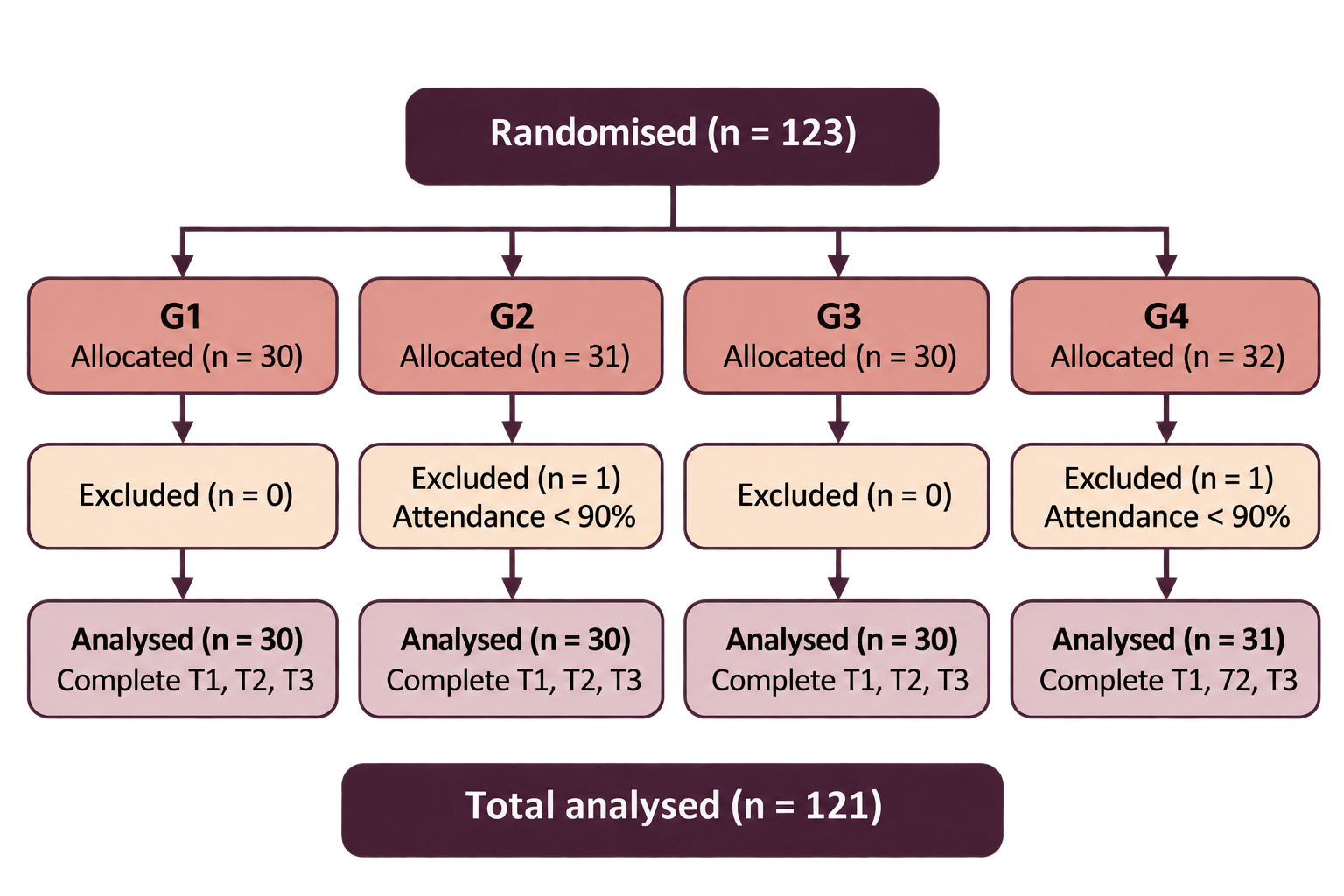
Figure 1. Flow of participants through the study.
Participants were initially assigned to numerical categories through an individual random draw conducted by a classroom teacher using numbered paper slips. The number of slips corresponding to each numerical category was predetermined to obtain approximately balanced group sizes. The allocation procedure was organised by the researchers, while the draw itself was conducted by the classroom teacher (see Table 1).
Group | N | Mean Age (years) | SD | Female (n) | Male (n) |
Group 1 Body Awareness | 30 | 12.4 | 0.8 | 15 | 15 |
Group 2 Breathing | 30 | 12.2 | 0.7 | 14 | 16 |
Group 3 Rhythmic Coordination | 30 | 12.5 | 0.6 | 16 | 14 |
Group 4 Control | 31 | 12.3 | 0.7 | 15 | 16 |
Table 1. Participant characteristics by Group.
The correspondence between the numerical labels and the four study conditions was determined through a second random draw. Inclusion criteria were: age between 11 and 14 years; certified eligibility for school-based physical activity; regular attendance of the sessions; and absence of known neurological, respiratory, orthopaedic, or cognitive disorders. The selection of a homogenous sample in terms of age range, educational level, and health status allowed for a reduction in interindividual variability not attributable to the interventions, thus ensuring greater reliability in comparing the different experimental protocols. Students who did not attend at least 90% of the scheduled sessions or were absent during any of the testing phases (T1, T2, or T3) were excluded from the study. Participants were asked to maintain their usual daily routines, including extracurricular physical activities, throughout the intervention period. However, compliance with this instruction was not objectively monitored, and potential changes in extracurricular activity levels could not be excluded. Moreover, written informed consent was obtained from all parents or legal guardians. The project included three assessment phases during the second school semester: T1 (Pre-test): Initial assessment prior to the intervention; T2 (Post-test): Re-test conducted approximately three months after the intervention began; T3 (Follow-up): Final re-test conducted approximately six months after the intervention began. This time distribution was defined based on evidence that medium-term interventions (≥12 weeks) can lead to lasting improvements in both motor and cognitive domains during developmental age (de Greeff et al., 2018; Donnelly et al., 2016). Each group participated in a structured motor education intervention conducted after regular school hours, lasting 45 minutes per session, twice a week, for a total of approximately 24 sessions over 12 weeks. Activities took place in the school’s sports facility, which was divided by a curtain into two separate areas, allowing two groups to perform their respective protocols simultaneously. Exercise intensity was periodically assessed through manual pulse checks and perceived exertion using the Children’s OMNI scale under teacher supervision (Robertson et al., 2000). These intermittent assessments were not systematically recorded and were not intended to establish physiological equivalence between groups. No further intervention was proposed during the subsequent three months, in order to observe the persistence of effects over time. The interventions were delivered by two school Physical Education (PE) teachers, a 35-year-old male and a 27-year-old female, both with university-level qualifications in Physical Education, previous experience in team sports, and fewer than five years of school teaching experience. The teachers alternated across the four study groups according to their availability within the school’s organisational schedule and were not permanently assigned to specific experimental conditions. The intervention protocols were established in advance by the research team, which provided the teachers with instructions regarding the prescribed activities. No additional formal training programme was conducted. The teachers were not informed of the specific research hypotheses. A classroom teacher was present during the sessions solely for student supervision and did not participate in delivering the interventions. Although the use of predefined protocols and the alternation of teachers across groups reduced the systematic association between individual teachers and specific interventions, potential differences in instructional delivery cannot be excluded, as no formal quantitative assessment of intervention fidelity was performed. Outcome assessments were conducted by evaluators blinded to participants’ group allocation. Due to the nature of the interventions, blinding of participants and PE teachers was not feasible. The four groups followed differentiated activities (see Table 2).
Group | Session structure | Specific activities | Progression over 12 weeks |
G1 – Proprioceptive-kinaesthetic | 10-min warm-up; 30-min main activities; 5-min cool-down | Guided attention to bodily sensations, initially in supine and seated positions, followed by standing with eyes closed and open. Progressive single-leg stance, initially with eyes open and subsequently with eyes closed when feasible. Simple movements through space, including eyes-closed movement under supervision with stop commands for safety. Attention directed progressively towards individual body segments and combinations of segments (e.g., feet, hands, head). | Individual attentional periods initially lasted approximately 4–5 seconds, increasing to around 10 and subsequently 20 seconds according to participants’ ability. Progression was reviewed approximately every four weeks and adapted to individual learning, increasing postural demands, movement complexity and the number or spatial separation of body segments attended to. |
G2 – Breathing | 10-min warm-up; 30-min main activities; 5-min cool-down | Seated diaphragmatic breathing with attention to abdominal expansion and relaxation. Controlled inhalation and exhalation separated by approximately 1-second pauses. Breathing sequences with progressively varied durations, including symmetrical patterns (e.g., 2-second inhalation and exhalation, progressing to 3 seconds) and pyramidal sequences increasing towards individual tolerance before decreasing. Breathing progressively coordinated with gentle, dance-derived movements and stretching exercises. | Initial emphasis on perceiving and regulating the respiratory cycle in a seated position. Subsequent progression towards longer breathing phases within individual tolerance, more complex sequences, and coordination between breathing and movement. |
G3 – Rhythmic coordination | 10-min warm-up; 30-min main activities; 5-min cool-down | Simple stepping and coordinated movements through space, guided by a metronome. Initial rhythmic sequences without an additional touch component, followed by sequences incorporating touch. Activities subsequently combined changes in direction, spatial orientation and movement patterns while maintaining rhythmic synchronisation. | Metronome tempo was increased during the initial two weeks according to participants’ performance and subsequently maintained. Later progression primarily involved greater spatial complexity, directional changes and combinations of movements rather than further tempo increases. |
G4 – Control | 10-min warm-up; 30-min main activities; 5-min cool-down | Conventional motor coordination exercises, including repeated limb movements, forward and backward movements, simple movement sequences and interactive games. Activities were performed without metronome guidance or explicit attentional instructions concerning proprioception or breathing. | The general structure and level of complexity remained substantially consistent throughout the intervention. |
Table 2. Structure, activities, and progression of the intervention protocols. Note. All four groups followed the same overall session structure and weekly frequency. General activation and stretching activities were included across conditions. The experimental protocols differed primarily in the attentional instructions and specific sensorimotor demands. Progression was adapted to participants’ performance rather than imposed through identical individual advancement schedules. Detailed metronome tempo recordings and exercise-by-exercise repetition counts were not available.
All interventions followed comparable session durations and frequency but had distinct neuromotor objectives, consistent with literature on the cognitive and motor benefits of coordination and rhythmic training in school-age children (Chang et al., 2012). All assessments were conducted within the school setting, with motor tests administered in the gymnasium and cognitive and well-being assessments in classrooms. Testing procedures, environments, and scheduling were consistent across groups and assessment phases, with evaluations conducted separately from intervention sessions. The assessment phase relied on a comprehensive battery of standardized and validated instruments, selected to capture a multidimensional profile of students’ motor, cognitive, and subjective well-being characteristics. These tools were chosen not only for their strong psychometric properties and extensive use in international research but also for their ecological validity in school settings and their suitability for detecting short-term developmental changes in adolescent populations. Dynamic balance was assessed using the Star Excursion Balance Test (SEBT), an extensively validated measure of postural stability that requires participants to maintain a single-leg stance while reaching as far as possible in multiple directions. Because this task challenges neuromuscular control, proprioceptive integration, and anticipatory postural adjustments, it provides a sensitive indicator of balance-related motor competence. The SEBT is particularly appropriate for adolescent samples, as it is non-invasive, easily administered in gym settings, and able to detect even subtle improvements resulting from targeted motor training. The SEBT was administered in three directions on both lower limbs. Three trials were performed for each direction and limb, and the average reaching distance was normalised to limb length. Participants wore sports shoes, and assessments were conducted by the same researcher across all three assessment phases. To evaluate static and functional balance, the study employed the Berg Balance Scale (BBS), a 14-item scale widely used in both clinical and educational contexts. The BBS assesses performance on everyday tasks that require controlled mobility (e.g., standing on one foot, turning, reaching forward), thus offering a functional perspective on balance skills beyond purely biomechanical measures. Although originally designed for clinical populations, the BBS has been increasingly applied in youth research, where its structured format allows for consistent administration and reliable comparison across groups and time points. Aerobic capacity was measured through the Cooper 12-minute run test, a classic field-based assessment of cardiovascular endurance. Participants are instructed to cover the greatest possible distance in twelve minutes, a task that engages aerobic metabolism and provides an estimate of overall fitness levels. Its simplicity and minimal equipment requirements support its use in school settings, although evidence regarding its criterion validity for estimating aerobic capacity in adolescents remains limited (Martínez-Lemos et al., 2024). A set of neuropsychological instruments was included to evaluate core dimensions of executive functioning. The Trail Making Test (TMT; Parts A and B) was used to assess selective attention, processing speed, and cognitive flexibility. Part A involves connecting numbered targets in ascending order and primarily reflects visual scanning speed and sustained attention. Part B requires alternating between numbers and letters (1-A-2-B, etc.), imposing additional demands on mental shifting and inhibitory control. The contrast between the two parts offers a sensitive way to capture developmental changes in executive processes, which are particularly relevant during adolescence. Working memory and attentional control were further examined using the Digit Span subtest in both Forward and Backward conditions. In the Forward task, participants repeat sequences of digits in the presented order, reflecting basic attention span and short-term memory capacity. The Backward task requires reproducing the sequence in reverse order, engaging more complex executive processes such as mental manipulation and updating. The dual administration of Forward and Backward spans allows for a more nuanced understanding of verbal working memory and attentional regulation. The cognitive assessments were administered in Italian. Although assessment procedures were kept consistent across the three measurement occasions, formal within-study reliability estimates were not available. Repeated administration of the Trail Making Test and Digit Span may have introduced practice effects, which cannot be entirely excluded when interpreting changes in cognitive performance. Finally, subjective well-being was assessed through the Personal Wellbeing Index, School Children (PWI-SC; Cummins & Lau, 2005), a widely adopted self-report measure designed to evaluate students’ satisfaction across several fundamental life domains, including health, personal safety, relationships, and general life outlook. The questionnaire was administered in Italian using a translation of the original instrument. The PWI-SC is specifically adapted for young populations and provides a reliable global index of psycho-emotional functioning, making it an essential complement to the motor and cognitive measures. Taken together, this integrated battery enabled a multidimensional evaluation of students’ functioning before, during, and after the intervention period. The combination of motor, cognitive, and well-being instruments ensured a holistic understanding of the developmental effects associated with the different training protocols, while maintaining strong methodological coherence with contemporary research in educational and developmental sciences.
2.1. Statistical Analysis
Data processing was performed using IBM SPSS Statistics (v.29). The analysis followed a multi-phase procedure to ensure the statistical validity of the results. A priori power analysis was conducted using G*Power 3.1 (Faul et al., 2009). For a repeated-measures ANOVA with 4 groups × 3 time points, assuming a medium effect size (f = 0.25), α = .05, and power (1−β) = .80, the required sample size was 108 participants. The actual sample (N = 121) was sufficient to detect statistically meaningful effects. The normality of distributions was assessed using the Shapiro-Wilk test. For each outcome measure, a mixed repeated-measures ANOVA was performed, with assessment time (T1, T2, and T3) as the within-subject factor and intervention group (G1, G2, G3, and G4) as the between-subject factor. The analyses examined the main effect of time and the time × group interaction. Sphericity was assessed using Mauchly’s test, with Greenhouse-Geisser corrections applied when the assumption was violated. Pairwise comparisons were adjusted using the Bonferroni procedure. Complementary exploratory analyses were conducted on change scores (T2–T1 and T3–T1) using one-way ANOVAs to examine between-group differences. For T2–T1 changes, pairwise comparisons were additionally examined using Welch’s t-tests, with Bonferroni correction for six comparisons per outcome. These exploratory analyses were considered supplementary to the primary mixed repeated-measures ANOVA. Follow-up stability was assessed descriptively, without assuming statistical equivalence.
2.2. Ethics Committee
All research protocols were approved by the IRB Ethics Committee in the biomedical area of the Department of Human, Social, and Health Sciences at the University of Cassino and Southern Lazio under protocol no. 8641 dated 4/8/2024 in accordance with the ethical principles outlined in the Declaration of Helsinki and in compliance with current regulations regarding research involving minors. Written informed consent was obtained from the parents or legal guardians of all participants.
3. Results
The final analytical sample comprised 121 participants: Group 1 (proprioceptive-kinaesthetic, n = 30), Group 2 (breathing, n = 30), Group 3 (rhythmic coordination, n = 30), and Group 4 (control, n = 31). All participants included in the analyses had complete data across the three assessment phases (T1, T2, and T3). Descriptive statistics for all eight outcome measures at baseline (T1), post-intervention (T2), and follow-up (T3) are presented in Table 3.
Outcome | Group | T1 Mean ± SD | T2 Mean ± SD | T3 Mean ± SD |
SEBT (%) | G1 | 71.2 ± 7.8 | 81.4 ± 7.3 | 80.7 ± 7.5 |
G2 | 70.4 ± 7.6 | 72.1 ± 7.4 | 72.0 ± 7.5 | |
G3 | 71.6 ± 8.0 | 78.2 ± 7.6 | 77.9 ± 7.7 | |
G4 | 70.7 ± 7.5 | 71.3 ± 7.4 | 71.1 ± 7.5 | |
BBS (0–56) | G1 | 51.2 ± 2.8 | 53.4 ± 2.1 | 53.2 ± 2.2 |
G2 | 51.0 ± 2.7 | 51.5 ± 2.6 | 51.4 ± 2.6 | |
G3 | 51.3 ± 2.6 | 52.5 ± 2.3 | 52.4 ± 2.4 | |
G4 | 51.1 ± 2.8 | 51.3 ± 2.7 | 51.2 ± 2.7 | |
Cooper (m) | G1 | 1810.0 ± 240 | 1840.0 ± 235 | 1835.0 ± 238 |
G2 | 1800.0 ± 250 | 1815.0 ± 245 | 1810.0 ± 247 | |
G3 | 1820.0 ± 245 | 1855.0 ± 240 | 1850.0 ± 242 | |
G4 | 1805.0 ± 248 | 1820.0 ± 246 | 1815.0 ± 247 | |
TMT-A (s) | G1 | 38.2 ± 8.1 | 35.5 ± 7.8 | 35.4 ± 7.7 |
G2 | 37.9 ± 8.0 | 36.4 ± 7.9 | 36.2 ± 7.8 | |
G3 | 38.0 ± 8.2 | 36.8 ± 7.9 | 36.7 ± 8.0 | |
G4 | 38.1 ± 8.0 | 37.9 ± 8.0 | 37.8 ± 7.9 | |
TMT-B (s) | G1 | 86.2 ± 17.1 | 72.8 ± 15.6 | 72.5 ± 15.3 |
G2 | 85.3 ± 16.8 | 77.9 ± 15.9 | 77.4 ± 15.8 | |
G3 | 84.1 ± 16.5 | 81.2 ± 16.0 | 80.7 ± 15.9 | |
G4 | 85.0 ± 16.7 | 84.6 ± 16.5 | 84.4 ± 16.4 | |
Digit Span Forward | G1 | 7.1 ± 1.3 | 7.4 ± 1.3 | 7.3 ± 1.3 |
G2 | 7.0 ± 1.4 | 7.5 ± 1.3 | 7.4 ± 1.3 | |
G3 | 7.2 ± 1.3 | 7.4 ± 1.3 | 7.4 ± 1.3 | |
G4 | 7.1 ± 1.4 | 7.2 ± 1.4 | 7.2 ± 1.4 | |
Digit Span Backward | G1 | 5.2 ± 1.2 | 5.5 ± 1.2 | 5.5 ± 1.2 |
G2 | 5.3 ± 1.2 | 6.6 ± 1.3 | 6.5 ± 1.3 | |
G3 | 5.2 ± 1.3 | 5.5 ± 1.2 | 5.5 ± 1.2 | |
G4 | 5.3 ± 1.2 | 5.3 ± 1.2 | 5.3 ± 1.2 | |
PWI-SC | G1 | 62.1 ± 10.4 | 64.9 ± 10.0 | 65.0 ± 10.1 |
G2 | 61.8 ± 10.2 | 69.1 ± 9.8 | 68.8 ± 9.9 | |
G3 | 60.9 ± 10.5 | 65.2 ± 10.1 | 65.0 ± 10.2 | |
G4 | 62.0 ± 10.3 | 62.3 ± 10.2 | 62.2 ± 10.3 |
Table 3. Descriptive statistics for all outcome measures across groups and assessment time points (Mean ± SD). Note. G1 = proprioceptive-kinaesthetic intervention (n = 30); G2 = breathing intervention (n = 30); G3 = rhythmic coordination intervention (n = 30); G4 = control group (n = 31). T1 = baseline; T2 = post-intervention; T3 = follow-up. SEBT = Star Excursion Balance Test; BBS = Berg Balance Scale; TMT-A/B = Trail Making Test Parts A and B; PWI-SC = Personal Wellbeing Index – School Children. Lower TMT-A and TMT-B completion times indicate better performance.
Data are expressed as mean ± standard deviation for each group and assessment time point. The Shapiro–Wilk tests did not reveal significant deviations from normality across the examined distributions (W = 0.976–0.980, p = .235–.435). Significant main effects of time and significant time × group interactions were observed for SEBT, BBS, TMT-A, TMT-B, Digit Span Backward, and PWI-SC. Neither the Cooper test nor Digit Span Forward showed significant main effects of time or time × group interactions. Full ANOVA results, including effect sizes, are reported in Table 4.
The most marked differences were observed in the SEBT and PWI-SC variables. Sphericity was tested with Mauchly’s test. Sphericity was met for SEBT (p = .194) and Digit Span Backward (p = .109), but violated for TMT-B (p = .014) and PWI-SC (p = .021); in these latter cases, the Greenhouse-Geisser correction was applied.
Outcome | Time | Time × Group | ||||
F (df₁, df₂) | p | ηₚ² | F (df₁, df₂) | p | ηₚ² | |
SEBT | 11.47 (2, 234) | < .001 | .089 | 5.14 (6, 234) | < .001 | .117 |
BBS | 8.49 (2, 234) | < .001 | .068 | 4.21 (6, 234) | < .001 | .097 |
Cooper | 1.44 (2, 234) | .239 | .012 | 0.82 (6, 234) | .555 | .021 |
TMT-A | 4.76 (2, 234) | .009 | .039 | 2.31 (6, 234) | .035 | .056 |
TMT-B | 9.92 (1.87, 218.79) | < .001 | .078 | 4.07 (5.61, 218.79) | .001 | .095 |
Digit Span Forward | 2.66 (2, 234) | .072 | .022 | 1.23 (6, 234) | .292 | .031 |
Digit Span Backward | 6.31 (2, 234) | .002 | .051 | 3.02 (6, 234) | .007 | .072 |
PWI-SC | 10.44 (1.91, 223.21) | < .001 | .082 | 3.38 (5.73, 223.21) | .004 | .080 |
Table 4. Results of mixed repeated-measures ANOVAs for the eight outcome measures. Note. ηₚ² = partial eta squared. Greenhouse–Geisser corrections were applied to TMT-B and PWI-SC.
Pairwise comparisons with Bonferroni correction revealed differentiated trends across groups and time points for all outcome variables. The descriptive statistics across the three assessment phases show consistent differences among groups on all outcome measures. In terms of dynamic balance (SEBT), the Proprioception group starts from a mean value of 71.2% at T1 and reaches 81.4% at T2, maintaining a comparable level at follow-up (80.7%). The Breathing group shows only a slight increase from 70.4% to 72.1% at T2, followed by stability at T3, while the Rhythmic group progresses from 71.6% to 78.2% at T2 and remains stable at 77.9% at follow-up. The Control group shows minimal variation across time points, remaining between 70.7% and 71.3%. For cognitive flexibility (TMT-B), the Proprioception group decreases its completion time from 86.2 seconds at T1 to 72.8 at T2 and 72.5 at T3. The Rhythmic group shows a smaller reduction from 84.1 seconds at T1 to 81.2 at T2 and 80.7 at T3, whereas the Control group shows only marginal changes. A similar trend is observed in the Breathing group, which moves from 85.3 seconds at T1 to 77.9 at T2 and 77.4 at T3. Regarding working memory (Digit Span Backward), the Breathing group shows the most consistent improvement, increasing from 5.3 at T1 to 6.6 at T2 and slightly decreasing to 6.5 at T3. The Proprioception and Rhythmic groups both show modest increases across the three phases, while the Control group remains virtually unchanged. Finally, with respect to subjective well-being (PWI-SC), the Proprioception group progresses from 62.1 at baseline to 64.9 at T2 and 65.0 at T3. The Breathing group shows the largest increase, rising from 61.8 at T1 to 69.1 at T2 and maintaining this level at 68.8 at follow-up. The Rhythmic group also improves from 60.9 to 65.2 at T2, remaining stable at T3, while the Control group shows negligible changes over time. Significant improvements in dynamic balance (SEBT) were observed in Group 1 (T1–T2: p < .001) and Group 3 (p = .014), with both showing comparable values at follow-up. No significant changes were observed in Group 2 or Group 4 (p > .10). For cognitive flexibility (TMT-B), Group 1 showed a significant reduction in completion time between T1 and T2 (p = .002), sustained at T3. Group 2 also showed improvement (p = .039), while no relevant changes emerged in Groups 3 and 4. In terms of working memory (Digit Span Backward), only Group 2 exhibited a significant increase from T1 to T2 (p = .005), which remained stable at T3. Other groups showed no significant differences over time, although a positive trend was noted in Group 3. Regarding subjective well-being (PWI-SC), Group 2 demonstrated a significant increase between T1 and T2 (p = .006), as did Group 1 (p = .046). Groups 3 and 4 displayed non-significant upward trends (p > .05). The analysis of change scores between T2 and T1 and between T3 and T1 highlights distinct improvement patterns across the four groups. Detailed results of the exploratory change-score ANOVAs and Levene’s tests are provided in Supplementary Table R1. For dynamic balance (SEBT), the Proprioception group shows the largest gains, with an increase of +10.2 points at T2–T1 and +9.5 at T3–T1, both statistically significant. The Rhythmic group also presents meaningful improvements, with gains of +6.6 and +6.3 across the same intervals, while the Breathing and Control groups show only minimal and non-significant changes. Regarding cognitive flexibility (TMT-B), the Proprioception group again records the most substantial reductions in completion time, with −13.4 seconds from T1 to T2 and −13.7 from T1 to T3, both significant. The Breathing group also shows significant reductions (−7.4 and −7.9 seconds, respectively). The Rhythmic and Control groups exhibit only small, non-significant variations in both intervals. For working memory (Digit Span Backward), the Breathing group is the only one demonstrating a statistically significant improvement, with increases of +1.3 at T2–T1 and +1.2 at T3–T1. The other groups show smaller and non-significant changes over time. Finally, for subjective well-being (PWI-SC), the Breathing group reports the most pronounced gains, with increases of +7.3 and +7.0 across the two intervals. The Proprioception group also shows significant improvements, with increases of +2.8 at T2–T1 and +2.9 at T3–T1. The Rhythmic group shows moderate positive changes that did not reach statistical significance, whereas the Control group remains largely stable with minimal variation over time. Additional between-group contrasts were examined to compare changes from baseline (T1) to post-intervention (T2) across the intervention and control groups. Complete pairwise comparison results, including Bonferroni-adjusted confidence intervals and p-values, are provided in Supplementary Table R2. Confidence intervals and p-values were adjusted using the Bonferroni procedure for six pairwise comparisons per outcome. For dynamic balance (SEBT), the proprioceptive-kinaesthetic group (G1) showed a greater improvement than the control group (G4), with a mean difference in change of +9.6 percentage points (Bonferroni-adjusted 95% CI [4.35, 14.85], p < .001). The rhythmic group (G3) also showed a greater improvement than the control group (+6.0 percentage points, adjusted 95% CI [0.66, 11.34], p = .020). For cognitive flexibility (TMT-B), G1 showed a greater reduction in completion time compared with G4 (−13.0 seconds, adjusted 95% CI [−24.54, −1.46], p = .019). The contrast between G2 and G4 was −7.0 seconds (adjusted 95% CI [−18.53, 4.53], p = .616), without reaching statistical significance. For working memory, G2 showed a greater improvement than G4 in Digit Span Backward (+1.3 points, adjusted 95% CI [0.44, 2.16], p < .001). Regarding subjective well-being (PWI-SC), G2 showed a larger descriptive improvement than G4 (+7.0 points), but this difference did not reach statistical significance after Bonferroni correction (adjusted 95% CI [−0.08, 14.08], p = .054). The corresponding contrast for G1 was +2.5 points (adjusted 95% CI [−4.65, 9.65], p = 1.000), also non-significant. Exploratory paired comparisons between post-intervention (T2) and follow-up (T3) are reported in Supplementary Table R3. These findings provide a direct comparison of changes between intervention groups and the control condition, complementing the time × group interaction analyses.
4. Discussion
The results suggest differentiated effects across the three embodied approaches: the proprioceptive-kinaesthetic intervention showed improvements in dynamic balance, cognitive performance, and subjective well-being; conscious breathing primarily influenced working memory and well-being; while rhythmic movement was associated with improvements in dynamic balance. In contrast, the control group showed limited changes, suggesting potential benefits of targeted embodied activities, although other contributing factors cannot be excluded. Regarding dynamic balance (SEBT), Group 1 showed the largest improvement (p < .001), followed by Group 3 (p = .014). Groups 2 and 4 exhibited only minor changes. These findings are consistent with previous research supporting the potential benefits of proprioceptive training for balance and motor performance (Gidu et al., 2022; Yılmaz et al., 2024). The additional outcome measures further support a differentiated pattern of results. BBS showed significant changes over time and a significant time × group interaction, with the largest descriptive improvements observed in the proprioceptive-kinaesthetic and rhythmic groups. TMT-A also showed significant time and interaction effects, whereas the Cooper test and Digit Span Forward did not demonstrate statistically significant changes or interactions. These findings suggest that the interventions were associated with selective improvements rather than generalised benefits across all motor and cognitive domains. However, the absence of significant improvements in the control group should not be interpreted as evidence of the ineffectiveness of conventional Physical Education, particularly given the different objectives of the interventions and the lack of systematic physiological workload monitoring. Cognitive performance, assessed through the TMT-B, improved significantly in Group 1 (p = .002) and Group 2 (p = .039). These findings suggest that proprioceptive-kinaesthetic and breathing-oriented activities may contribute to executive performance, although TMT-B also reflects processing speed and visual attention. Regarding working memory (Digit Span Backward), Group 2 showed a significant improvement (p = .005), while the other groups exhibited smaller changes. This finding suggests a possible association between breathing exercises and working-memory performance, without establishing the underlying mechanisms. Finally, subjective well-being (PWI-SC) improved in Group 2 (p = .006) and Group 1 (p = .046), while Group 3 showed a positive descriptive trend. These findings suggest potential benefits for perceived well-being, although interpretation requires caution given the use of an Italian translation of the questionnaire without established formal psychometric validation. Descriptive improvements were generally maintained at the three-month post-intervention follow-up, although longer-term persistence remains uncertain. The interpretation of these findings should also consider age-related reference values and developmental variability. Franjoine et al. (2010) reported a mean score of 55.2 ± 1.74 points on the Pediatric Balance Scale among typically developing children aged seven years and older. In the present study, baseline BBS scores ranged from 51.0 to 51.3 points, increasing to 53.4 in the proprioceptive-kinaesthetic group after intervention. Although the Pediatric Balance Scale is adapted from the Berg Balance Scale, the two instruments are not directly interchangeable, and differences in age composition and assessment procedures limit direct normative comparisons. Moreover, previous psychometric evidence has identified ceiling effects in the Pediatric Balance Scale among older children (Darr et al., 2015), suggesting that measurement sensitivity should be considered when interpreting balance improvements in this age group. The relative stability of results at follow-up may reflect retention of acquired motor and cognitive competencies; however, repeated testing, developmental changes, and unmeasured external influences cannot be excluded. Similarly, the limited changes observed in the control group should not be interpreted as evidence of the ineffectiveness of conventional Physical Education, since the experimental protocols targeted different motor and cognitive processes. Finally, the single-school setting, relatively small sample, inability to blind participants and teachers, absence of systematic physiological workload monitoring, and lack of objective information on extracurricular physical activity limit the generalisability and interpretation of the findings. These considerations support a cautious interpretation of the observed improvements and highlight the need for further studies with broader samples, age-appropriate reference measures, and longer follow-up periods. Multiple statistical comparisons also warrant caution when interpreting individual significant findings. Despite these limitations, the results suggest that targeted embodied approaches may support specific motor, cognitive, and well-being outcomes in school-based Physical Education, providing a basis for further research.
5. Conclusions
The results obtained suggest that the integration of specific embodied approaches within school-based Physical Education (PE) may contribute to differentiated effects on dynamic balance, cognitive functions, and subjective well-being in adolescents. In particular, the proprioceptive-kinaesthetic protocol based on the Sincrony methodology showed improvements across multiple assessed domains, particularly dynamic balance and cognitive flexibility, with marked improvements in dynamic balance (SEBT), cognitive flexibility (TMT-B), and subjective well-being (PWI-SC), suggesting a relevant contribution of somatic awareness to motor and executive regulation processes. Breathing techniques were associated with improvements in working memory (Digit Span Backward) and showed the largest improvement in subjective well-being (PWI-SC), while the rhythmic approach promoted dynamic balance, albeit with more circumscribed effects. A further relevant finding is that these results were not limited to the immediate post-intervention phase, but showed relative stability at the three-month post-intervention follow-up. The persistence of these effects may indicate that the benefits associated with the different approaches extend beyond immediate adaptations, although their transfer to academic and everyday learning processes remains to be investigated. These findings reinforce the idea, already present in the literature, that the body is not merely an executor of motor tasks. Moreover, the comparison between approaches goes beyond the logic of summing benefits, suggesting a differentiated relationship between bodily experience, motor learning, and self-regulation. This shift from a generalist to a differentiated model may support methodological advancement in PE, encouraging the integration of new approaches into school-based motor education. PE could thus emerge not as an ancillary discipline, but as a dynamic architecture within the school experience, where each technique, if well calibrated, can support specific aspects of each student’s development. Nonetheless, it is important to acknowledge the limitations related to sample size and the specificity of the school context. The inability to blind participants and teachers may have introduced potential performance bias, despite the blinding of outcome assessors. Further research is needed on a larger scale and in more diverse educational settings. From this perspective, PE could contribute to the curricular structure through intentional actions and targeted protocols that, starting from the body and movement, foster not only motor competences but also integrated cognitive and emotional skills.
References
Ambretti, A., Fogliata, A., Desideri, G., & Tardini, S. (2024). Proprioception in physical education: A practical approach between ICT and training. Italian Journal of Health Education, Sports and Inclusive Didactics, 8(2), 222–234. https://doi.org/10.32043/gsd.v8i2.1108
Bonafede, C., & van der Merwe, E. (2024). Kinesthetic coordination abilities in 6-year-old children: School quintile, gender, and hand dominance differences. International Journal of Early Childhood, 56(2), 277–295. https://doi.org/10.1007/s13158-023-00350-5
Camenidis, C.-M., & De Hillerin, P. J. (2024). The effects of integrated proprioception development strategies in increasing the psycho-neuro-motor level of children. Revista Românească pentru Educaţie Multidimensională, 16(3), 277–308. https://doi.org/10.18662/rrem/16.3/894
Chang, Y. K., Labban, J. D., Gapin, J. I., & Etnier, J. L. (2012). The effects of acute exercise on cognitive performance: A meta-analysis. Brain Research, 1453, 87–101.
Cummins, R. A., & Lau, A. L. D. (2005). Personal Wellbeing Index – School Children (PWI-SC). Australian Centre on Quality of Life, Deakin University.
Darr, N., Franjoine, M. R., Campbell, S. K., & Smith, E. (2015). Psychometric properties of the Pediatric Balance Scale using Rasch analysis. Pediatric Physical Therapy, 27(4), 337–348. https://doi.org/10.1097/PEP.0000000000000178
De Bernardi, F. (2008). Sincrony: Educare al movimento. Red.
De Greeff, J. W., Bosker, R. J., Oosterlaan, J., Visscher, C., & Hartman, E. (2018). Effects of physical activity on executive functions, attention and academic performance in preadolescent children: A meta-analysis. Journal of Science and Medicine in Sport, 21(5), 501–507. https://doi.org/10.1016/j.jsams.2017.09.595
Donnelly, J. E., Hillman, C. H., Castelli, D., Etnier, J. L., Lee, S., Tomporowski, P., Lambourne, K., & Szabo-Reed, A. N. (2016). Physical activity, fitness, cognitive function, and academic achievement in children: A systematic review. Medicine & Science in Sports & Exercise, 48(6), 1197–1222. https://doi.org/10.1249/MSS.0000000000000901
Faul, F., Erdfelder, E., Buchner, A., & Lang, A.-G. (2009). Statistical power analyses using G*Power 3.1: Tests for correlation and regression analyses. Behavior Research Methods, 41(4), 1149–1160. https://doi.org/10.3758/BRM.41.4.1149
Fincham, G. W., Strauss, C., Montero-Marin, J., & Cavanagh, K. (2023). Effect of breathwork on stress and mental health: A meta-analysis of randomised-controlled trials. Scientific Reports, 13, Article 432. https://doi.org/10.1038/s41598-022-27247-y
Fogliata, A., Borghini, R., & Ambretti, A. (2023). Study on the performative effects of cause-based vs effect-based teaching in adolescent athletes: Evaluation of lower limb explosive strength. Scientific Journal of Sport and Performance, 2(2), 247–255. https://doi.org/10.55860/LAHU8849
Franjoine, M. R., Darr, N., Held, S. L., Kott, K., & Young, B. L. (2010). The performance of children developing typically on the Pediatric Balance Scale. Pediatric Physical Therapy, 22(4), 350–359. https://doi.org/10.1097/PEP.0b013e3181f9d5eb
Frischen, U., Degé, F., & Schwarzer, G. (2022). The relation between rhythm processing and cognitive abilities during child development: The role of prediction. Frontiers in Psychology, 13, Article 920513. https://doi.org/10.3389/fpsyg.2022.920513
Gallagher, S. (2005). How the body shapes the mind. Oxford University Press.
Gidu, D. V., Badau, D., Stoica, M., Aron, A., Focan, G., Monea, D., Stoica, A. M., & Calota, N. D. (2022). The effects of proprioceptive training on balance, strength, agility and dribbling in adolescent male soccer players. International Journal of Environmental Research and Public Health, 19(4), Article 2028. https://doi.org/10.3390/ijerph19042028
Hodges, P. W., & Gandevia, S. C. (2000). Changes in intra-abdominal pressure during postural and respiratory activation of the human diaphragm. Journal of Applied Physiology, 89(3), 967–976. https://doi.org/10.1152/jappl.2000.89.3.967
Immordino-Yang, M. H. (2016). Emotions, learning, and the brain: Exploring the educational implications of affective neuroscience. W. W. Norton & Company.
Kirk, D. (2010). Physical education futures. Routledge.
Labuschagne, M. E. (2022). Foundation phase teachers’ views on the role of proprioceptive development in school readiness [Master’s dissertation, University of Pretoria]. University of Pretoria Repository. https://repository.up.ac.za/handle/2263/89501
Le Boulch, J. (1991). Vers une science du mouvement humain: Introduction à la psychocinétique (3rd ed.). E.S.F.
Luo, H., Long, L., Wang, H., & Chen, W. (2026). Effects of dance and rhythmic physical activity interventions on executive function and motor competence in children: A systematic review and three-level meta-analysis. Behavioral Sciences, 16(9), Article 1699. https://doi.org/10.3390/bs16091699
Martínez-Lemos, I., Otero Rodríguez, A., Diz, J., & Ayán, C. (2024). Reliability and criterion-related validity of the Cooper test in pre-adolescents and adolescents: A systematic review and meta-analysis. Journal of Sports Sciences, 42(3), 222–236. https://doi.org/10.1080/02640414.2024.2326352
Mazzella, M., & Fogliata, A. (2024). Innovative teaching: Movement for the psychomotor improvement of students. Formazione & insegnamento, 22(3), 160–167. https://doi.org/10.7346/-fei-XXII-03-24_18
Mikhailova, T. (2025). Neuroyoga for optimizing responses to academic load and preserving children's psychophysiological health. Universum: Medicine and Pharmacology, (7[124]), 55–61. https://doi.org/10.32743/UniMed.2025.124.7.20516
Nobre, G. C., Ramalho, M. H. D. S., Ribas, M. S., & Valentini, N. C. (2023). Motor, physical, and psychosocial parameters of children with and without developmental coordination disorder: A comparative and associative study. International Journal of Environmental Research and Public Health, 20(4), Article 2801. https://doi.org/10.3390/ijerph20042801
Parlebas, P. (1999). Jeux, sports et sociétés: Lexique de praxéologie motrice (2nd ed.). INSEP Publications.
Robertson, R. J., Goss, F. L., Boer, N. F., Peoples, J. A., Foreman, A. J., Dabayebeh, I. M., Millich, N. B., Balasekaran, G., Riechman, S. E., Gallagher, J. D., & Thompkins, T. (2000). Children's OMNI scale of perceived exertion: Mixed gender and race validation. Medicine & Science in Sports & Exercise, 32(2), 452–458. https://doi.org/10.1097/00005768-200002000-00029
Romeu, J., Camerino, O., & Castañer, M. (2023). Optimizing motor coordination in physical education, an observational study. Apunts Educación Física y Deportes, 153, 67–78. https://doi.org/10.5672/apunts.2014-0983.es.(2023/3).153.06
Shapiro, L. (2019). Embodied cognition (2nd ed.). Routledge. https://doi.org/10.4324/9781315180380
Tomporowski, P. D., McCullick, B., Pendleton, D. M., & Pesce, C. (2015). Exercise and children’s cognition: The role of exercise characteristics and a place for metacognition. Journal of Sport and Health Science, 4(1), 47–55. https://doi.org/10.1016/j.jshs.2014.09.003
Tsakiris, M., & Critchley, H. D. (2016). Interoception beyond homeostasis: Affect, cognition and mental health. Philosophical Transactions of the Royal Society B: Biological Sciences, 371(1708), Article 20160002. https://doi.org/10.1098/rstb.2016.0002
Wallon, H. (1959). L’évolution psychologique de l’enfant. Armand Colin.
Wilson, M. (2002). Six views of embodied cognition. Psychonomic Bulletin & Review, 9(4), 625–636. https://doi.org/10.3758/BF03196322
Yılmaz, O., Soylu, Y., Erkmen, N., Kaplan, T., & Batalik, L. (2024). Effects of proprioceptive training on sports performance: A systematic review. BMC Sports Science, Medicine and Rehabilitation, 16, Article 149. https://doi.org/10.1186/s13102-024-00936-z