Formazione & insegnamento, 24(1), 8396
Green Music: Integrating Nature, Music, and Technology to Foster Environmental Awareness and Inclusion in Education
Green Music: Integrare Natura, Musica e Tecnologia per promuovere consapevolezza ambientale e inclusione in ambito educativo
ABSTRACT
This study presents Green Music, an educational protocol fostering students’ connection to nature through music, technology, and experiential learning. Rooted in experiential learning and environmental education, it addresses the increasing human-nature disconnection by promoting ecological awareness and pro-environmental behaviors. Implemented in Italian lower secondary schools, the intervention emphasized inclusion through low-cost technologies and adaptive strategies for students with special needs. A mixed-methods design was used: quantitative data from the Connectedness to Nature Scale - children (CNS-ch) in a pre-post design with 114 students, and qualitative data from Mentimeter reflections. Activities integrated outdoor sessions with Plants Play biofeedback devices, reflection tasks, and creative outputs such as podcasts and digital storytelling. Results showed a modest but significant increase in connectedness to nature (t(111) = -2.66, p < .01, Δ = 0.17). Students associated nature mainly with positive emotions and tangible elements. Overall, Green Music enhanced emotional engagement and provided an inclusive, multisensory model for sustainability education.
Questo studio presenta Green Music, un protocollo educativo volto a favorire la connessione degli studenti con la natura attraverso la musica, la tecnologia e l’apprendimento esperienziale. Radicato nei principi dell’apprendimento esperienziale e dell’educazione ambientale, il progetto affronta il crescente distacco tra essere umano e ambiente naturale promuovendo consapevolezza ecologica e comportamenti pro-ambientali. L’intervento, realizzato in scuole secondarie di primo grado italiane, ha posto particolare attenzione all’inclusione, mediante l’impiego di tecnologie a basso costo e strategie adattive rivolte anche a studenti con bisogni educativi speciali. È stato adottato un disegno di ricerca a metodi misti: dati quantitativi raccolti tramite la Connectedness to Nature Scale – children (CNS-ch) in un disegno pre-post con 114 studenti, e dati qualitativi ottenuti attraverso riflessioni raccolte con Mentimeter. Le attività hanno integrato sessioni all’aperto con dispositivi di biofeedback Plants Play, compiti riflessivi e produzioni creative quali podcast e narrazioni digitali. I risultati hanno evidenziato un incremento modesto ma significativo della connessione con la natura (t(111) = −2.66, p < .01, Δ = 0.17). Gli studenti hanno associato la natura principalmente a emozioni positive ed elementi concreti. Complessivamente, Green Music ha favorito il coinvolgimento emotivo e ha proposto un modello inclusivo e multisensoriale per l’educazione alla sostenibilità.
KEYWORDS
Environmental education, Music-based Learning, Nature Connectedness
Educazione ambientale, Apprendimento basato sulla musica, Connessione con la natura
AUTHORSHIP
This article is the result of the work of a single Author.
COPYRIGHT AND LICENSE
© Author(s). This article and its supplementary materials are released under a CC BY 4.0 license.
CONFLICTS OF INTEREST
The Author declares no conflicts of interest.
RECEIVED
October 6, 2025
ACCEPTED
February 8, 2026
PUBLISHED ONLINE
February 17, 2026
1. Introduction
The society in which we live and of which we are a constitutive part, is increasingly characterized by urban growth and by the detachment from nature (Jensen et al., 2024). This is why investing in environmental education plays a crucial role in addressing contemporary challenges, particularly in fostering children’s connectedness to nature and pro-environmental attitudes (Barrable & Booth, 2020; Chawla, 2020; Giusti et al., 2025). The protocol “Green Music: Connecting Nature and Inclusiveness” represents an innovative initiative that integrates science, art, and technology in order to stimulate an authentic reconnection with the natural world. This article aims to introduce and analyse the pillars of an educational intervention that employs music and the latent biophilia within each of us as tools to strengthen the bond with the environment, outlining its objectives and transformative potential.
The underlying idea of the protocol is to overcome traditional learning approaches, which often fail to promote significant mindset changes capable of fostering long-term pro-environmental behaviours. Through an experiential and interdisciplinary approach, participants were encouraged to “listen” to nature, both literally and figuratively, by using devices such as Plants Play, capable of translating the electrical signals of plants into musical notes. This approach fosters deeper ecological awareness, accompanied by an emotional and sensorial connection that inspires more responsible behaviours (Blasco-Magraner et al., 2025).
The article is structured into several sections, each dedicated to a central aspect of the protocol. The first part presents the theoretical and pedagogical frameworks on which it is based, such as Kolb’s (1984; Kolb & Kolb, 2006) experiential learning model and Priest’s (1986) framework, both cantered on the importance of direct experience and reflection for personal and collective development. This theoretical foundation highlights the value of biophilia in reconnecting individuals with nature (Deng et al., 2025).
The second section describes in detail the methodology adopted, with particular attention to the role of the Plants Play device. This tool allows inaudible ecological dynamics to become perceptible, transforming plant interactions into unique musical experiences. The integration of technology and nature offers an original and engaging educational opportunity, encouraging a critical reflection on our relationship with the environment, which is not unidirectional but reciprocal.
In the central part, the focus shifts to the results obtained through both the pilot study and the subsequent large-scale implementation. The analysis combines quantitative and qualitative data, highlighting a significant improvement in participants’ perception of connection with nature. The collected findings demonstrate how the proposed activities enriched the emotional, relational, and cognitive skills of the students involved.
Among the most relevant elements of the protocol is its attention to inclusion and personalization. By involving schools with different socio-cultural profiles and using accessible technologies, the project emerges as a replicable model in various educational contexts. The proposed activities, combining outdoor experiences supported by digital tools, were designed to guarantee the active participation of all students, regardless of their abilities, backgrounds, or starting conditions.
Another distinctive aspect is represented by the fusion of science and art. The sonification of plants’ bioelectrical signals not only makes complex ecological phenomena tangible but also stimulates creativity and curiosity through an aesthetic perspective. This synergy between scientific and artistic dimensions has proven particularly effective in eliciting emotional responses and consolidating the bond with the natural world.
The Green Music protocol is not only a tool for environmental education, but also a model that opens new possibilities for the use of music and technology in both formal and non-formal contexts. The results obtained underline the importance of an educational approach that goes beyond the mere transmission of theoretical knowledge, aiming instead at enriching the relationship between individuals and the environment through meaningful experiences, and above all, through shared meaning and sensitivity.
The article concludes with a reflection on future perspectives, which include expanding the research sample and adapting the protocol to contexts with more limited resources. In a period of global environmental crisis, interventions such as Green Music represent a pioneering yet concrete proposal for building a more sustainable and inclusive society, where respect for nature becomes natural and a constitutive part of human culture.
2. Methodology
2.1. Objectives
The main objective was to evaluate whether the preliminary results observed in the pilot study could be replicated and generalised on a larger sample, adopting a different methodological approach compared to the randomised controlled study. In this phase, the experimental protocol was applied to the entire sample without dividing it into control and experimental groups. The large-scale study also served to explore the generalizability of the protocol by testing its application in different contexts (e.g., schools with varying resources or socio-cultural profiles). This allowed for an understanding of whether the intervention could be effectively implemented across a wide range of educational settings.
2.2. Study context and participants
After a pilot study (Finestrone et al., 2024) that showed promising results, a second, more structured research phase was launched, aimed at confirming the initial hypotheses. This confirmatory experimental phase was developed by expanding the research sample, including a more representative and diverse population. The effectiveness of the intervention was assessed through a pre-post design, measuring the increase in connectedness to nature before (ex ante) and after (ex post) the application of the protocol. This approach made it possible to observe the change within the same group of participants, still providing significant indications about the protocol’s impact, even in the absence of a direct comparison with a control group. The methodological choice allowed a focus on the overall effectiveness of the protocol in a broader application context, with the aim of collecting evidence to support its large-scale implementation. A long-term follow-up may also be included to assess the persistence of the effects. This confirmatory phase represents a crucial step toward practical application, as the results obtained can be used to develop operational guidelines and plan the implementation of the protocol on a wider scale. In this way, experimental intervention can be transformed into a consolidated educational practice, supported by solid scientific evidence.
For the large-scale study, the Istituto Comprensivo “da Feltre-Zingarelli” (Italy) participated with all the first-year classes of the lower secondary school. A preliminary meeting was held with the teachers involved in the project, during which the operational phases were explained. Teachers, in turn, provided a description of the macro- and micro-context of each class, also reporting the presence and type of students with special educational needs (one student with autism spectrum disorder and one student with hearing impairment). The protocol began in April 2024 and ended in June 2024. Before implementation, all aspects related to the ethics of the research project had been addressed, as was done for the pilot study.
2.3. Tools
The tools used in the large-scale study to quantitatively measure variations in participants’ levels of connectedness to nature included the CNS-ch scale, adapted by Berto et al. (2012) from the original scale by Mayer and Frantz (2004). The overall score is calculated by summing the scores attributed to the individual items and computing the mean. Responses are expressed on a scale from 0 to 4, where 0 = never and 4 = always. The cut-off point was set at 3, consistent with the validation criteria.
For qualitative analysis, Mentimeter, an interactive digital tool widely used in educational and research contexts to collect and analyse textual responses in real time, was implemented. This tool allowed participants to enter words or short phrases on the topic addressed, which were then aggregated into a visual representation. Fundamental to the large-scale study, as in the pilot, was the portable biofeedback device Plants Play, employed to convert plants’ electrical variance into musical notes and serving as the technological foundation of the experimental protocol. In addition, as in the pilot study, NFC tags, wireless microphones, and Google Workspace tools were made available for the construction of the Digital Storytelling (DST) product.
2.4. Ethical procedures and data management
Before undertaking the study, informed consent and authorization for the processing of personal data (including video recordings and photographs) were obtained from the parents or legal guardians of all underage participants prior to their inclusion in the study, and all data were processed in accordance with confidentiality and privacy regulations. The informed consent explicitly stated that participants were free to decline participation in the research or to withdraw at any time without any consequences.
The research complied with all applicable ethical guidelines and was submitted to the competent ethics committee for review. The data collected from the questionnaires were stored in a secure archive. All data were coded so that any identifying information were removed. The coded data was transferred for storage at the University of Foggia.
2.5. Research design and procedure
Mixed methods were adopted, combining quantitative and qualitative approaches. The purpose of the quantitative phase was to determine whether there was a relationship between the application of the protocol and the levels of connectedness to nature. The qualitative phase was functional to explain and more fully understand the quantitative results. Below is the breakdown of the operational phases. While Phase F0 of the large-scale study coincided with F0 of the pilot study—where the CNS-ch scale was administered ex ante-the subsequent phases developed in a more structured and extensive manner, though consistent with the pilot design.
2.5.1. Preliminary Phase (F0)
Administration of the CNS-ch scale (Berto et al., 2012; Mayer & Frantz, 2004) to assess baseline connectedness to nature (ex ante).
2.5.2. Cognitive Activation Phase (F1)
A warm-up activity was conducted through the concept question “What do you think of when we talk about Nature?” using Mentimeter. Students, via their personal smartphones, were able to provide up to three open-ended responses. These answers were dynamically visualized on the Interactive Whiteboard (IWB) in the form of a word cloud: as new responses were entered, the cloud updated in real time, with the size of each word proportional to its frequency.
A total of 499 responses were collected. The most recurring words emphasized tangible elements (animals, trees, leaves) and the emotional impact of nature (tranquility, serenity, relaxation).
Following this activity, as in the pilot study, a participatory and transdisciplinary lesson was delivered on communication systems among plants and between humans and nature. This was followed by a natural sound recognition game projected on the IWB, serving both as an assessment of prior knowledge and as a positive reinforcement strategy.
2.5.3. Outdoor Experiential Phase (F2)
Students were divided into heterogeneous groups of 7-8 per class, due to the large sample size and limited time. Each group worked in the school courtyard, conducting experiential activities with a selected plant. Each group member was assigned a specific role (leader, speaker, note-taker, IT expert, skeptic, information researcher). Initially guided by the researcher and subsequently working independently, the groups were provided with:
- the Plants Play biofeedback device,
- Orff instruments,
- access to the Plants Play app,
- and a stable internet connection.
The groups jointly activated the device, inserted the sensors, applied the electrodes to the chosen plant’s leaves, selected the tonal scale and musical instrument for the output, and interacted with the generated melody, which they then recorded. The researcher supervised the activities alongside the teachers, providing prompts when necessary and serving as coach and facilitator. Technical explanation provided to students:
- The horizontal axis (x-axis) represents time, expressed in seconds (s). The progressive numbers indicate the temporal sequence of variations in the bioelectrical signal. The graph updated constantly, enabling observation of how the plant’s electrical behavior evolved within seconds.
- The vertical axis (y-axis) measures electrical resistance, expressed in ohms (Ω), directly related to the plant’s bioelectrical activity. Resistance varied depending on physiological processes such as water movement, membrane activity, or responses to external stimuli (light, touch, sound).
Higher resistance values indicated greater resistance; lower values indicated less. These oscillations reflected the plant’s bioelectrical dynamics and its interactions with the environment (Figure 1).
For the Yucca under examination, the regularity of both the melody and the oscillations suggested physiological equilibrium, absent significant stress. Students observed that when mechanical stress was applied to the leaves, the oscillations changed, demonstrating plant responsiveness.
This technical explanation provided students with a scientifically meaningful and intuitive understanding of bioelectrical dynamics, showing how invisible processes could be both visualized and sonified.
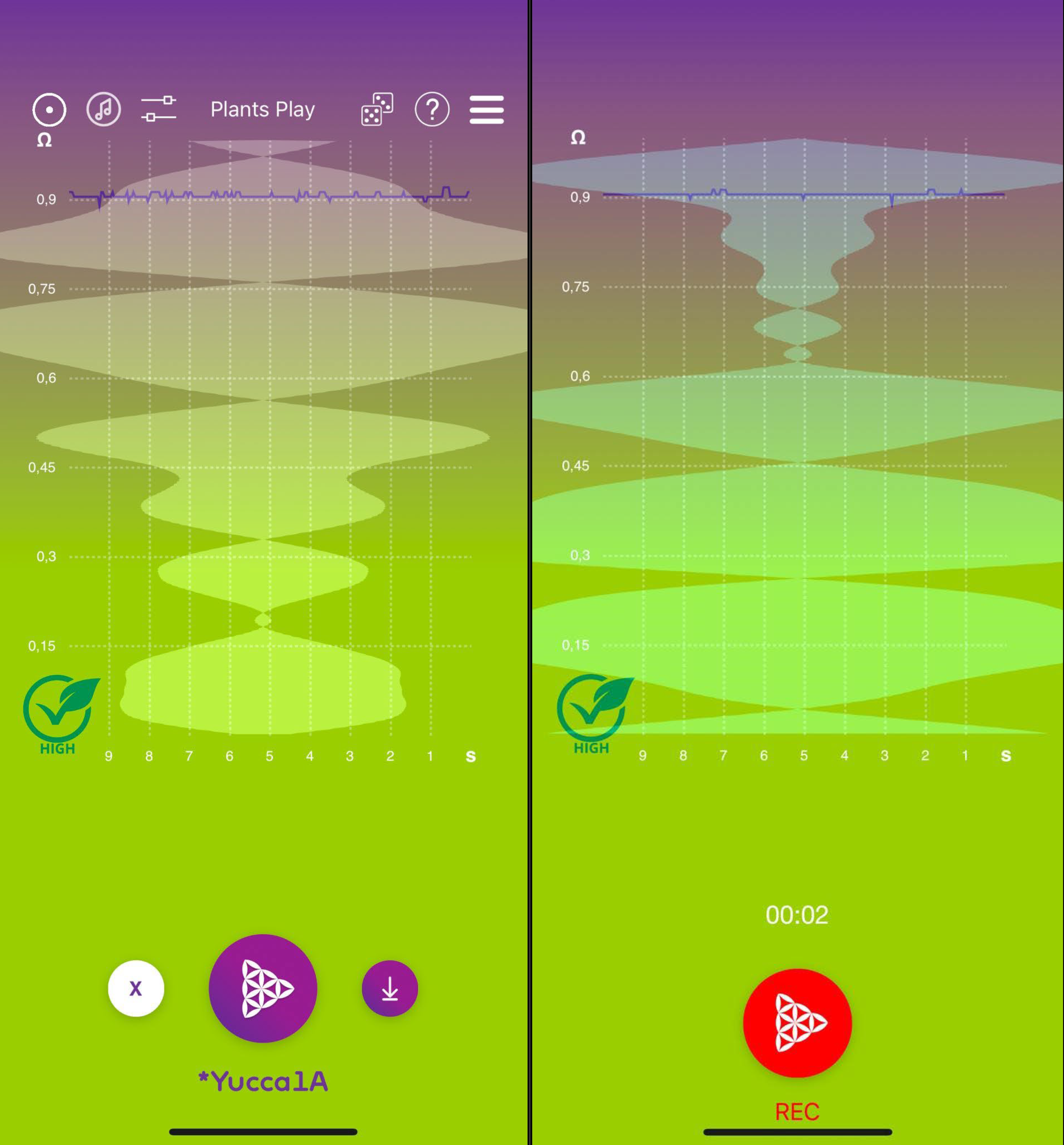
Figure 1. Representation of the electrical activity of the Yucca and recording of the corresponding audio track.
2.5.4. Research and Re-elaboration Phase (F3)
Students conducted further research on the selected plant: morphology, history, curiosities, advantages/disadvantages for humans. They were asked to listen again to the recorded track and write down the images and emotions evoked by the sound. Using the app Vocaroo, the track was uploaded and converted into a QR code, generating a shareable URL. The collected information and emotional reflections formed the basis for the script of a podcast (developed in Phase F6).
2.5.5. Second Outdoor Experience and Re-elaboration (F4, F5)
These phases replicated F2 and F3, but were conducted in a different setting (a green area adjacent to the school, rather than the courtyard). This ensured consistency with the pilot study while expanding ecological variability.
2.5.6. Podcast/Videopodcast Production (F6)
Each group selected a representative who read and interpreted the written script. The podcast was recorded in class, with the cooperation and silence of all peers, using portable microphones. Tracks were then uploaded by the researcher into the appropriate group folder on Google Drive, renamed, and edited.
In the class with a hearing-impaired student, a videopodcast was produced. The script was projected on the IWB as scrolling text, one student read it aloud, and the hearing-impaired student simultaneously performed it in Italian Sign Language (LIS), which ensured inclusiveness and accessibility (the podcast is available at: https://me-qr.com/9hHZ7zlE).
2.5.7. Digital Storytelling Product (F7)
Each class was provided with a panel on which to assemble their DST product. Groups printed and cut the photos of their chosen plants and the corresponding QR codes (containing the audio tracks recorded in F2 and F4). Students then used the NFC Tools app to write and program NFC tags, storing the Vocaroo URLs for each podcast. Aesthetic customization was encouraged: the NFC tags were hidden beneath the plant images to create a “magical” effect. The final product combined panels, photos, QR codes, and NFC tags into a multimodal digital storytelling artifact. Students tested the functionality by scanning QR codes with Google Lens and by activating NFC sensors on their smartphones, listening to the associated tracks (Figure 2).
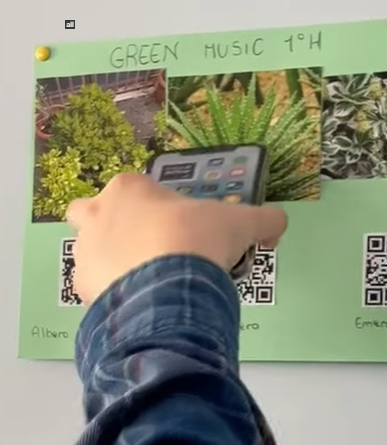
Figure 2. DST operation with NFC sensor.
2.5.8. Circle Time and Collective Sharing (F8)
At the end of the DST construction, students participated in a circle time session to share impressions and reflections. They then presented their work to the teachers, explaining the phases followed, the skills acquired, and their willingness to continue with the project in the following school years.
2.5.9. Post-test (F9)
Finally, the CNS-ch scale was administered again (ex post) to detect any variations in connectedness to nature.
3. Results
3.1. Quantitative results
The initial sample selected for the study consisted of approximately 200 students. However, by the end of data collection, 114 questionnaires were considered valid, as only these included complete responses for both the ex ante and ex post phases. Some participants did not complete the initial questionnaire, while others failed to respond to the final one. Nevertheless, the available data enabled a robust analysis of score variations, minimizing the risk of bias through the exclusion of incomplete cases, thereby preserving statistical validity.
A paired-samples t-test was conducted to evaluate the difference in connectedness-to-nature scores before and after the intervention, measured on a Likert scale ranging from 0 to 4. The difference was found to be statistically significant (t(111) = -2.661, p < .01), due to an increase in scores from the pre-test (M = 2.4629, SD = .80) to the post-test (M = 2.6372, SD = .867). The statistical analysis thus confirmed a significant difference in connectedness-to-nature scores between pre- and postintervention.
This result indicates that the intervention produced a real effect, substantially reducing the likelihood that the observed variation was due to chance. However, the mean increase observed (0.1743 on a 0-4 Likert scale) appears relatively modest. While statistical significance is evident, the practical relevance of this variation requires critical evaluation, especially when considering the potential impact perceived by participants.
An additional noteworthy element concerns the increase in variability in post-test scores (SD = .867) compared to pre-test scores (SD = .80). This greater dispersion suggests that the intervention effects were not homogeneous: responses likely varied depending on individual characteristics or contextual factors. Some participants may have benefited more noticeably from the intervention, while others may have reported little or no effect.
Interpreting these results in the context of the adopted Likert scale, the mean increase of 0.1743 represents less than one-fifth of the maximum scale interval. While this increase is statistically significant, it may not correspond to a substantial improvement in the subjective perception of connectedness to nature. Moreover, the absence of consolidated benchmarks for this specific scale further limits the ability to compare results with recognized standards or previous studies, making it more complex to attribute a clear practical value to the observed variation.
In conclusion, the t-test data confirm the statistical effectiveness of the intervention in fostering an increase in connectedness to nature. However, the magnitude of the mean change and the increased dispersion of scores suggest the need for further research to fully assess the practical significance of the results and to identify potential moderators of the intervention’s impact on participants. The integration of qualitative and quantitative analysis provided a more comprehensive picture of the intervention’s impact, further supporting the transformative potential of the proposed activities.
3.2. Qualitative Analysis (Mentimeter Data)
In particular, analysing the results from the Mentimeter survey conducted during Phase 1 (F1) of the large-scale study yielded interesting findings. The question “What do you think of when we talk about Nature?” received 499 responses, which were analyzed both quantitatively (frequency of terms) and qualitatively (thematic and semantic interpretation).
An additional analysis was conducted to identify terms explicitly associated with humans (e.g., man, people, humanity, individual, human being). Using MAXQDA software, a keyword search was performed (uomo OR “essere umano” OR umanità OR individuo OR “genere umano” OR persone). Out of the 499 total responses, explicit references to humans were marginal: only two responses contained direct references.
This finding suggests that participants perceived nature as something separate from humanity, emphasizing non-anthropic aspects. When subsequently asked about the human-nature relationship, most students highlighted a perceived distance, often attributing to humans a negative influence on nature, rather than seeing themselves as part of it.
The qualitative analysis identified four macro-themes emerging from the responses:
- Biodiversity and natural components: frequent terms included animals, trees, plants, leaves, flowers, forests, and vegetation, underscoring an association with visible elements of biodiversity.
- Emotions and well-being: terms such as tranquility, relaxation, serenity, happiness, and calm highlighted an emotional connection to nature as a source of psychological well-being and regeneration.
- Ecological and ethical reflections: words like respect, care, and preservation indicated environmental awareness and sensitivity, although ecological references were less frequent than tangible elements and emotions.
- Sensory and symbolic experiences: terms such as fragrance, sky, sea, and mountains reflected sensory connections, while words like beauty and harmony revealed an aesthetic and symbolic bond with nature.
Overall, the data revealed a predominantly positive and meaningful perception of nature, characterized by attributes typical of a locus amoenus [pleasant place]. The scarce references to humans suggest an idealized and, in some cases, dichotomous vision of nature as separate from human activity—an interpretation that also emerged in the CNS-ch self-assessment scale results.
This phenomenon indicates that participants tend to conceptualize nature as an uncontaminated and harmonious space, distinct from human influence. Such a reductionist vision excludes humanity as an integral part of ecosystems, highlighting the need for deeper educational reflection on the human–nature relationship.
At the same time, the emotional focus-expressed through terms such as relaxation, tranquillity, and serenity-confirms nature’s centrality as a source of psychological well-being and personal regeneration. This positive relationship suggests the potential of immersive natural experiences to improve mental health and foster ecological awareness. However, it also raises questions about how educational activities might emphasize not only the emotional but also the cognitive dimension, connecting nature’s beauty and benefits with a deeper and more responsible approach to sustainability.
Reflecting on the more concrete elements (trees, plants, animals, leaves), it is evident that students’ concept of nature was anchored to visible and tangible images. This underscores the educational need to broaden the notion of nature to include less evident dynamics, such as ecological cycles, complex interactions among living beings, and the role of humans in these relationships.
The limited direct references to human-nature interdependence indicate a lack of perception of humans as part of the natural system. This suggests that didactic activities should aim to foster an integrated vision, in which humans are recognized as active and responsible agents in ecosystem conservation.
The collected data provide useful insights for designing future educational interventions that both valorize the emotional bond with nature and guide learners toward a more rational and integrated ecological understanding. Pedagogical approaches that combine sensory and theoretical experiences could help bridge the gap between the idealization of nature and the realities of sustainable management, promoting ecological awareness that encompasses both respect for the environment and the necessity of informed human intervention.
Educational interventions may therefore emphasize:
- The understanding of human-nature interdependence.
- The importance of integrating direct experiences in natural environments to foster ecological empathy and emotional well-being.
- Sustainability education, raising awareness of the dynamics between human activity and the natural world.
This analysis provides a basis for subsequent studies on larger samples to further explore the perceived human-environment relationship and evaluate targeted educational strategies, such as those proposed by the Green Music protocol.
4. Discussion
The results of the large-scale study confirm and expand on what was observed in the pilot phase of the Green Music protocol, offering further insights into the effectiveness and replicability of the educational intervention. Findings from the pilot study revealed that the experimental group exposed to the Green Music protocol demonstrated significantly greater improvements than the control group, which participated in a standard intervention.
The findings obtained with the Green Music protocol provide a significant starting point for reflecting on the effectiveness of educational approaches aimed at fostering a deeper connection between students and nature. The increase in connectedness-to-nature scores (t(111) = -2.661, p < .01) indicates a positive effect of the intervention, even though the magnitude of the average change (0.1743 on a 0–4 Likert scale) suggests room for improvement.
This result lends itself to a more nuanced interpretation, considering both the characteristics of the participants and the contexts in which the intervention was implemented. The greater dispersion in post-test scores (SD = 0.867 compared to SD = 0.80 at pre-test) suggests variability in the effects, likely influenced by individual or contextual factors. This interpretation is consistent with the literature: Boyce-Tillman (2020) emphasizes how emotional support and the structure of the educational experience significantly shape outcomes. Similarly, differences in students’ initial motivation or biophilic predisposition (Wilson, 1984) may have influenced the degree of change observed.
The analysis of student responses during Phase 1, when asked to express what “nature” represented to them, highlighted a prevailing association with tangible elements (trees, animals) and positive emotional states (tranquility, relaxation). However, explicit references to humans were rare, confirming a dichotomous vision between nature and anthropic activity. This perception, already documented by Wilson (1984) and Pirchio et al. (2021), reflects a conception of nature as an idealized and separate space. While this vision indicates a strong emotional bond, it also highlights the need to promote a more integrated and conscious understanding of human-nature dynamics.
Innovative methodologies such as Digital Storytelling and immersive sensory experiences proved effective in generating student interest and engagement, as also demonstrated by Guo et al. (2020). However, the protocol seemed to prioritize the emotional dimension over the cognitive one. In this regard, Dunkley (2016) suggests integrating critical reflection and interdisciplinary content to deepen complex ecological knowledge and stimulate more comprehensive ecological awareness. The marginality of references to humans invites a reconsideration of how human-nature relationships are presented. As suggested by Hacking et al. (2023), adopting an approach that emphasizes ecological interdependence could help overcome this dichotomy and encourage a more integrated perspective. The combination of aesthetics, science, and narrative in the Green Music protocol has already proven to be a strength. Yet, expanding the cognitive component—by explicitly connecting emotional experiences with ecological principles-could amplify the protocol’s effectiveness, fostering both emotional connection and a stronger sense of environmental responsibility.
5. Limitations and Future Directions
The Green Music study demonstrated how environmental education can be enriched through immersive experiences that integrate technological, musical, and natural elements. The results highlight the innovative potential of the protocol while also pointing to the challenges and opportunities that arise from implementing similar interventions in educational contexts. This section discusses the study’s limitations, explores future perspectives for improved implementation, and reflects on the findings in light of existing theories and practices. One limitation concerns the context-specific nature of the study. The intervention was implemented in school environments with very specific socio-cultural and infrastructural characteristics, which cannot represent the full variety of educational contexts in Italy or internationally. Although implementation showed positive results, its applicability in contexts with fewer technological resources or limited green spaces remains uncertain. Another limitation is related to the convenience sampling approach. While this methodology enabled the study to be launched quickly, it limited the representativeness of the sample and, consequently, the generalizability of the conclusions. To strengthen the study’s validity, future research should replicate the protocol with random sampling and include a broader, more diverse population. The cross-sectional design of the study represents a further limitation. While this design provides a “snapshot” of the observed dynamics, it does not allow conclusions to be drawn about the sustainability of the effects over time. Introducing a longitudinal design with periodic follow-ups would provide stronger evidence of the durability of the protocol’s educational effects, allowing monitoring of connectedness to nature and the evolution of pro-environmental attitudes. The limited time frame of the study may also have influenced the magnitude of the results. Although the improvement observed in connectedness-to-nature scores (CNS-ch scale) was significant, longer periods may be required to achieve mean values above the cut-off of 3. This highlights the importance of exploring extended interventions. Increasing the frequency of active learning sessions, exposure to natural environments, and systematic use of innovative methodologies (such as outdoor learning) could further enhance student engagement and strengthen their bond with nature.
The implementation of the protocol was also influenced by the technological resources available in participating schools and the limited training of teachers. Independent replicability of the proposed activities will require greater attention to teacher training, enabling educators to conduct and adapt the protocol without direct supervision by the researcher.
Another challenge was the reduction of the analysable sample. Of the approximately 200 students initially selected, only 114 completed both the ex ante and ex post questionnaires, leading to the exclusion of incomplete cases. This type of attrition is common in educational research. While the exclusion of incomplete responses reduced the final sample size, it also ensured coherence and reliability in the analysed data.
The size of working groups in the large-scale study, influenced by time constraints and space availability, may also have limited outcomes. Larger groups required more time for organization and interpersonal management, potentially reducing opportunities for individual in-depth exploration and the consolidation of specific competencies. The use of the musical biofeedback device, directly provided by the researcher, also represents a limitation. While this device is central to the protocol, its availability could hinder scalability in contexts with limited technological resources. Nonetheless, the use of such innovative devices greatly enriches the educational experience, offering unique multisensory learning opportunities.
Furthermore, the relatively short duration of the intervention did not allow for assessment of long-term effects. The absence of a longitudinal follow-up prevents certainty about the persistence of the observed changes in connectedness to nature. Similarly, in the large-scale phase, the absence of a control group may have limited the possibility of isolating the specific effects of the protocol from external factors. Given the close relationship between connectedness to nature and biophilia, understood as a specific form of empathy toward the natural world and living beings, future perspectives could include an evaluation of empathy. Specifically, administering an empathy scale before and after the intervention could test whether strengthening connectedness to nature is related to increased empathic sensitivity. This approach would allow deeper investigation not only of the effectiveness of the Green Music protocol, but also of its potential spillover effects on interpersonal relationships and social sensitivity.
6. Conclusions
The Green Music protocol represents an innovative and relevant contribution to the field of environmental education, demonstrating that the integration of nature, music, and technology can foster a deeper and more authentic connection with the natural environment. The adopted approach, based on multisensory experiences and active student engagement, produced significant results in both the exploratory study and the large-scale implementation.
Despite the limitations discussed, the protocol emerges as an effective and replicable tool for promoting ecological and emotional competencies in educational contexts. The success of the protocol is evident in both the quantitative and qualitative data collected. The significant increase in scores on the Connectedness to Nature Scale – children (CNS-ch), combined with students’ positive feedback, underscores the transformative impact of the intervention. The opportunity to “listen” to nature through musical biofeedback and to translate experiences into digital narratives allowed students to experience the natural environment in a dynamic and engaging way, moving beyond traditional approaches to environmental education.
To further consolidate the evidence base and address the identified limitations, future research should include larger samples, longitudinal follow-ups, and the systematic integration of interdisciplinary content. Preliminary results confirm the validity of the approach and suggest significant potential for scalability. Expanding the study and introducing more sophisticated methodologies represent the next steps toward consolidating the scientific evidence and promoting broader adoption of the protocol. Promoting a deeper bond with nature is not merely an educational goal but an imperative for building a more sustainable and conscious society. Interventions such as Green Music can play a crucial role in this process, providing new generations with the tools to understand and respect the natural world.
References
Barrable, A., & Booth, D. (2020). Increasing nature connection in children: A mini review of interventions. Frontiers in Psychology, 11, Article 492. https://doi.org/10.3389/fpsyg.2020.00492
Berto, R., Pasini, M., & Barbiero, G. (2012). Biofilia sperimentale. Culture della sostenibilità, 5(10), 161–182. Retrieved January 6, 2026, from https://www.univda.it/wp-content/uploads/2018/11/Cult-Sostenibilità-10-161-184.pdf
Blasco-Magraner, J. S., Marín-Liébana, P., Hurtado-Soler, A., & Botella-Nicolás, A. M. (2025). The use of soundscapes in environmental education: Teachers’ competencies in auditory analysis and emotional identification. Behavioral Sciences, 15(6), Article 744. https://doi.org/10.3390/bs15060744
Chawla, L. (2020). Childhood nature connection and constructive hope: A review of research on connecting with nature and coping with environmental loss. People and Nature, 2(3), 619–642. https://doi.org/10.1002/pan3.10128
Deng, H., Ismail, M. A., & Sulaiman, R. (2025). Exploring the impact of biophilic design interventions on children’s engagement with natural elements. Sustainability, 17(7), Article 3077. https://doi.org/10.3390/su17073077
Finestrone, F., Savino, F. P., & di Furia, M. (2024). Music of nature: Case study of an innovative teaching methodology. In G. Casalino, R. Di Fuccio, G. Fulantelli, P. Raviolo, P. C. Rivoltella, D. Taibi, & G. A. Toto (Eds.). International Conference on Higher Education Learning Methodologies and Technologies Online (pp. 580–591). Springer Cham. https://doi.org/10.1007/978-3-031-67351-1_38
Giusti, M., Mäkelä, V. T. A., Skagerlid, A. G., & Nagatsu, M. (2025). Shifting relationships with nature through schools: Exploring the social and spatial context for transformative sustainability education. Ecology and Society, 30(2), Article 34. https://doi.org/10.5751/ES-15969-300234
Guo, M., Su, H., & Yue, L. (2020). Ecology-focused aesthetic music education as a foundation of the sustainable development culture. Interdisciplinary Science Reviews, 45(4), 564–580. https://doi.org/10.1080/03080188.2020.1820154
Hacking, E. B., Bastos, E., Hogarth, H., Sands, B., Dunkley, R., Wenham, L., Saputra, A., McCabe, O. F., Fletcher, A., Nashid, A. A., Anjani, A., & Davies, B. (2023). Mosaicking childhoodnature relations: Situated encounters with country in times of climate change. Children's Geographies. https://doi.org/10.1080/14733285.2023.2285473
Jensen, J. K., Alkan Olsson, J., von Post, M., & Isaksson, C. (2024). Reconnecting children to nature: The efficacy of a wildlife intervention depends on local nature and socio-economic context, but not on urbanisation. People and Nature, 6(5), 1987–2000. https://doi.org/10.1002/pan3.10702
Kolb, A. Y., & Kolb, D. A. (2006). Learning styles and learning spaces: A review of the multidisciplinary application of experiential learning theory in higher education. In R. R. Sims, & S. J. Sims (Eds.). Learning styles and learning: A key to meeting the accountability demands in education (pp. 45–91). Nova Science.
Kolb, D. A. (1984). Experiential learning: Experience as the source of learning and development. Prentice-Hall.
Mayer, F. S., & Frantz, C. M. (2004). The connectedness to nature scale: A measure of individuals’ feeling in community with nature. Journal of Environmental Psychology, 24(4), 503–515. https://doi.org/10.1016/j.jenvp.2004.10.001
Pirchio, S., Passiatore, Y., Panno, A., Cipparone, M., & Carrus, G. (2021). The effects of contact with nature during outdoor environmental education on students’ wellbeing, connectedness to nature and pro-sociality. Frontiers in Psychology, 12, Article 648458. https://doi.org/10.3389/fpsyg.2021.648458
Priest, S. (1986). Redefining outdoor education: A matter of many relationships. The Journal of Environmental Education, 17(3), 13–15. https://doi.org/10.1080/00958964.1986.9941413
Wilson, E. O. (1984). Biophilia. Harvard University Press.