1. Introduction
During early childhood, stages of progress and growth occur that involve the child not only from a motor point of view but also cognitive and socio-affective processes that will determine the healthy development of the human being. Encouraging play during early childhood allows the brain to indulge its plasticity, supporting the production of hormones useful for well-being and stress reduction and developing executive functions for proper cognitive regulation (Gibb, et al. 2021). Bertoldi and his collaborators argue that children with chronic motor problems lack autonomy in problem-solving, which involves movement limitations. This consequence is related precisely to an inadequate development of body awareness (Bertoldi et al., 2007). The purpose of this review, then, is precisely to identify studies and research aimed at supporting the idea that complete motor development, accompanied by a full awareness of one's own body developed and supported by an environment and effective methodologies, determines better learning and growth paths for the Person.
1.1. The importance of executive functions in the learning pathway
The development of executive functions involves the child in numerous aspects that intersect with his or her growth and require specific and effective care. The various processes involved include attention and organization skills, meta-cognitive capacity, working memory, maintenance of effort over time, use of strategies, inhibition of inappropriate responses, verbal fluency and self-monitoring/self-correction (Tandon, et al. 2018). Executive functions, therefore, are also necessary for learning and healthy affective, relational and social relationships. The scientific literature highlights how these skills are associated with appropriate movement, which then contributes to cognitive, physical, social and emotional improvements. As will become clear later on, there are still some persistent limitations: there is still little literature available and more in-depth research involving a larger population would be needed to derive generalizable results.
Although for the early childhood and preschool dimension the amount of study material available is more numerous, it tends in any case to involve a very young age group, sometimes starting from the first months of life; this happens because the sense-motor dimension accompanies children for the first two years of life and lays the foundations for what will later be the experience in pre-school. During the preschool phase, methodologies and programs should be as active and engaging as possible. We find this concept again with Piaget, when he emphasizes that learning develops through the involvement of sense-motor skills (Alonso-Vargas et al., 2022).
1.2. The centrality of the environment in the learning process
Numerous studies (Alonso-Vargas, et al., 2022; Anh, 2021; Cozzutti et al., 2017; Moral-Bofill et al., 2015; Tandon et al., 2016; Tandon et al., 2020), emphasize how social relationships and emotional processes influence learning, and this well-being is also determined by the ability of the environment to offer positive stimuli and targeted and motivating academic content. Among the studies taken into consideration, we considered it appropriate to include the data from the study “The relationship of gross motor and physical activity environments in child care settings with early learning outcomes” (Tandon et al., 2020), in which, in addition to obtaining data on the actual effectiveness of the motor contribution in learning, it emerges how important it is for the environment and the people in charge to be able to recognize children's needs. It is necessary to structure spaces and programs aimed at increasing motor activity and free play in general. Through the QRIS (Most Quality Rating and Improvement System) model, which deals with evaluating the quality of the service and spaces, it emerges that the lowest indicators are found precisely for the practical variables of teaching and equipment. Within this review, it was also possible to investigate and highlight how there are alternative techniques and methodologies to the frontal and static learning we are used to. A relevant approach is that of body percussion, which aims at a global involvement in the execution of a motor practice. The art of body percussion (Romero Naranjo, 2013) is the foundation of the method called BAPNE, which aims to consider Gardner's (1983) theory of Multiple Intelligences as the theoretical and methodological foundation. The method is supported by 5 disciplines (Biomechanical, Anthropological, Psychological, Neurological and Ethnomusicological) to stimulate the learner from multiple points of view. Even for this study (Romero Naranjo, 2013), the limitation emerges of not having a sufficiently representative population and that there is not yet a large body of scientific literature capable of supporting new methodological avenues.
1.3. The body as an instrument of knowledge
Promoting the development of general motor skills and fundamental movements helps to have an active and healthy lifestyle and contributes to the structuring of self-esteem and self-confidence. Recognizing the child's body as the hub for all learning, allows the teacher to carry out privileged observations because only through careful and active observation is it possible to pick up signals and emotional manifestations that otherwise, children would not have the opportunity to manifest. By grasping the signals they emit, it will be possible to carry out projects and teaching activities aimed at facilitating processes of knowledge of one's own body. This process will also facilitate learning and involve the symbolic, emotional and affective spheres. Within this review, we have emphasized this method devised by Romero, who devised a measurable method that uses the body as a tool capable of soliciting participation and interest in children, but also motor, cognitive-affective and relational development (Romero Naranjo, 2013). The following studies aim to investigate how crucial it is to possess a certain body awareness to be able to aspire to normal physical and psychic development. The stimulating figure was the Austrian musician and composer E. J. Dalcroze who, on a pedagogical level, proposed an alternative and more holistic view of his students, taking an interest in new practices to improve academic achievement. As Dalcroze was a musician, most of the studies identified and analysed were concerned with actual music didactics, but the review aims to be able to identify studies that involve learning in general and not aimed at a specific subject. Bringing bodily movement into each discipline is the focus, and the importance for the teacher to be attentive and sensitive to it emerges (Dalcroze, 1942). One of the limitations found within the selected studies is precisely the interpersonal variable that can play a determining role in the practice of a certain method. An answer to this question was identified by us in the BAPNE method, which aims at cognitive, socio-emotional, psychomotor and neuro-rehabilitative stimulation, and is based on neuro-motricity: through body percussion, the central lobes are stimulated, pursuing an integral development of the person, following Gardner's theory of multiple intelligences (Gardner, 1983).
|
Population |
Intervention |
Control |
Outcome |
|
Preschool children from all parts of the world and all socioeconomic levels. |
Achieve better academic and overall developmental outcomes by encouraging motor activity within school environments in relation to motor, cognitive, emotional and learning developments. |
Results obtained following the intervention will be compared: where possible there will be a comparison between experimental and control group; other research will use data from measurements taken pre- and post-test. |
The results will be analysed by checking actual improvements in motor skills, cognitive development, emotional and learning. |
Table 1. PICO.
2. Method
2.1. Methodology and Selection of Studies
The search was conducted via online databases such as PubMed, Google Scholar and Eric. The keywords entered in the search engines were: Motor activity, Body in motion, Executive functions, Preschool age, School age, Inclusion. The searches produced n = 709 results: n = 203 on PubMed, n = 124 on Eric and n = 382 on Google Scholar. Subsequently, only full-text articles were selected, studies in English only and adhering to the objective of the study. Further selection took place by reading the titles and abstracts. The abstracts of the studies were reviewed using criteria for inclusion and exclusion. The systematic review included 9 final studies that met the eligibility criteria identified in the PubMed, Google Scholar and ERIC Databases.
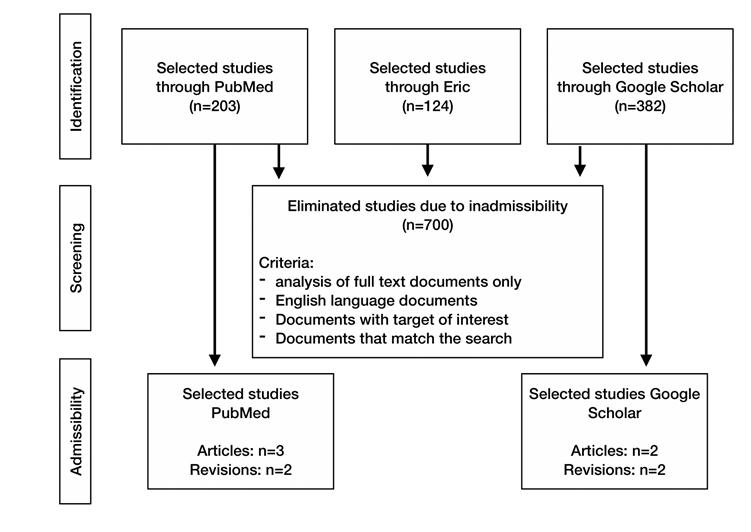
Figure 1. Literature review – flowchart.
The inclusion criteria were as follows: studies written in English, studies targeting childhood (age between 3 and 10 years), studies including body awareness and practices to develop this aptitude. The following were excluded: research on animals, studies that did not target children and whose contents were not in English. The risk of bias is present as the search selected studies that answered the question, which was, however, broad and multifactorial. The literature search was carried out by one independent researcher. The selection was carried out according to the inclusion criteria (objective, target, English language, full-text), but the target of some protocols was too heterogeneous and distant from the specific research objective (although they were nonetheless useful in ascertaining the importance of physical activity already in the very first years of life).
2.2. Interventions
The interventions analysed aimed to investigate whether encouraging motor activity within the school environment can facilitate children's learning and well-being, using the body as a means and tool for recognizing oneself and the other and discovering joy and motivation in performing certain learning activities. The second systematic review analysed (Ahn, 2021) investigated the benefits of increased motor activity, both from a bodily and physical point of view, and from an emotional-affective point of view; it clearly shows how the two dimensions are interconnected and interdependent. The interventions involved various aspects responsible for healthy psychomotor development, beginning with an analysis aimed at investigating the relationship between adiposity and motor activity, in the development of motor and cognitive skills. The health indicators involved therefore ranged from a bone and skeletal analysis, to the detection of adiposity, motor skill development, psychosocial health, cognitive development and cardio-metabolic health.
The third study, an experimental study (Tandon et al, 2020), answered the question of the correlation between psychomotor activity and early learning, i.e. skills such as pre-calculation and pre-writing that may provide a good basis for future academic learning. The population involved in this test consisted of n = 95 children aged 3-6 years. The skills investigated were manipulation, aiming and balance, and the MABC-2 instrument was used to detect movement. To detect the behavioural variables, the PLBS instrument was used, which aims to investigate the motivation that is believed to be responsible for the quality of the learning to which one relates. The eighth study, which is a systematic review (Javuer & Naranjo, 2013), also investigates the aforementioned skills, as these are closely linked to executive functions, which are responsible for our emotional, cognitive, organizational and self-conceptual development. In both papers, pre- and post-tests were used to find positive results after the interventions. The studies analysed in more detail below (Table 2), look at a methodology, called BAPNE (Carretero-Martineza et al., 2014), which, through body percussion activities, engages and develops the Multiple Intelligences we characterize ourselves with.
|
Title and author |
Database |
N° |
Age |
Intervention |
Duration |
Results |
|
Relationship between learning and psychomotor skills in Early Childhood Education (Alonso-Vargas et al., 2022) |
PubMed |
n = 95 |
4–6 |
3 indicators were assessed to evaluate motor activity (MABC-2): Motor skill, Grasping and aiming, Balance. 3 indicators were assessed through the PLBS behaviour scale: Motivation, Attitude toward learning, Attention and persistence at work. |
Not indicated |
Results about motor skills are significant if they exceed the reliability value of 0.7.
The results are: Manual skills M = 0.95 Grasping-aiming M = 0.65 Balance M = 0.76
Results about behaviour variables are considered to score above 0.856. Motivation: 1.67 Attention: 1.70 Attitude: 1.70 |
|
A systematic Review of Interventions Related to Body Awareness in Childhood (Ahn, 2021) |
PubMed |
n = 1400 |
3.5 (1029)
4–6 (33)
9–11 (344) |
Experimental group: physical activity program, kinaesthetic program, yoga practice. |
Physical activity program: 60 minutes twice a week, 16 weeks.
Kinaesthetic program: 60 minutes once a week, 4 weeks.
Yoga practice: 40 minutes once a week, 4 weeks. |
Improvements on motor and cognitive learning. Improvements perceptual skills: alertness and attention levels and cognitive levels. Very favourable assessment. |
|
The relationship of gross motor and physical activity environments in child care setting with early learning outcomes (Tandon et al., 2020) |
PubMed |
n = 495 |
3–5 |
Measuring indicators about early learning and measuring the quality of school environments. |
Fall-spring of the same school year. |
Results show the importance of the quality of school environments and how motor activity results in health and developmental benefits. |
|
Effect of executive functions in the BAPNE Method: a study on 8-9 years old children in Friuli Venezia Giulia, Italy (Cozzutti et al., 2017) |
Google Scholar |
n = 40 |
8–9 |
Motor activity through BAPNE method. Pre and post test to investigate motor, cognitive and learning-related benefits. Test for momentum maintenance; Test for learning a motor sequence. |
26 sessions of BAPNE method twice a week for 60 minutes for 13 weeks |
Data were analysed using the SPSS scale. The experimental group showed improvements in all tests. |
|
The relationship between physical activity and diet and young children’s cognitive development: A systematic review (Tandon et al., 2016) |
PubMed |
n = 11,234 |
3–15
M = 8.5 |
The protocol consists of 12 studies (5 cross-sectional, 3 longitudinal and 4 experimental) that aim to investigate the relationship between motor skills and learning and cognitive development. |
Not indicated |
Through the accelerometer instrument with which activity was measured, positive relationships emerged between motor activity and improvements in executive functions and motor skills. |
|
The BAPNE Method as a School Intervention Support Strategy to the School Environment ad Contribute to Socioemotional Learning (SEL) (Moral-Bofill et al., 2015) |
Google Scholar |
|
|
The present study did not involve any kind of target audience but served as an in-depth study to investigate the actual validity of the method, focusing on the dimensions on which it goes to work, specifying what is meant by SEL social-emotional learning. |
|
The analysis of this study confirms the importance of developing certain skills in order to achieve better academic and relational results. |
|
Cognitive, visual-spatial and psychomotor development in students of primary education through the body percussion - BAPNE Method (Carretero-Martinez et al., 2014) |
Google Scholar |
n = 60 |
7–8 |
The intervention involved the experimental group consisting of n = 30 children. BAPNE practice is introduced and through pre- and post-tests, results are collected. |
The test was held for 2 months (March-May). Pre test: 15 days (17/2–4/3). Post test: 15 days (8/5–23/5). |
Statistical analyses respond positively in improving coordination, kinetic intelligence, body development and spatial vision. |
|
Science & art of body percussion: a review (Romero Naranjo, 2013) |
Google Scholar |
|
|
The present study aimed to define more precisely the theoretical and practical foundations on which the BAPNE method is based by analysing the disciplines that support it and what psychological and neurological mechanisms are involved. The school context is a very important element in the success of effective practice. |
|
|
|
Systematic review of physical activity and health in the early year (0-4 years) (Timmons et al., 2012) |
PubMed |
n = 12472 |
0–4 |
The intervention consists of offering children additional motor activity (m = 130 min. more per day) and then surveying and comparing data on Health Indicators, motor skill development, psychosocial health, cognitive development, cardio-metabolic health and any risks associated with increased movement. |
Not indicated |
The results show improvements both in terms of health indicators considered (adiposity bone health, psychosocial, motor skill development, cognitive, cardio-metabolic health). No risk related to increased motor activity emerged. |
Table 2. Studies.
The results of all the research showed, by means of appropriate instruments, improvements both in terms of motor skills but also in terms of social relations, emotional and cognitive dimensions. However, the studies have highlighted the limitations of the research, as the number of subjects involved in the interventions was not high enough to be considered generalizable. The hope is that, in the future, interest in this topic may increase and stimulate further research and study.
2.3. Tools
The instruments used varied according to the survey to be carried out; in some studies, demographic questionnaires were used to collect data and information for treatment (parents were informed beforehand about the proposed test and then possibly consented to the initiative). The studies that needed to assess children's movement used the MABC-2 instrument, while the Preschool Learning Behaviour Scale (PLBS) was used to assess learning behaviour. The study that investigated the quality of learning environments, used the ECERS-R (Early Childhood Environment Rating Scale) assessment procedure, the data collected for this study were then analysed according to the QRIS (Most Quality Rating and Improvement System) program.
2.4. Comparison
The studies analysed investigated aspects regarding the contribution our bodies can make to the overall development of the human being. The investigation encapsulated interventions submitted to very young children with to highlight how, from early childhood, there can be improvement and adequate support for the growth and development of every child. Having a healthy lifestyle, in terms of physical activity and nutrition, lays the foundation for the child to gain greater awareness and control of his or her inner and outer world.
3. Discussion
We believe it is important to highlight and deepen the content of the article "Systematic Review of Physical Activity and health in the early year (o-4 years)" (Timmons et al., 2012), to support the importance of stimulating movement and physical activity from the earliest years of life based on scientific data. There is a tendency not to address specific studies concerning the 0-4 years age group, as it is believed that in this period of life, children are quite active and therefore healthy, thus not requiring special attention from the motor point of view. Despite these beliefs, there is a variety of evidence that the various chronic diseases, which have their onset in adulthood, find their origins in the early years of development, as well as at the same time Risk factors for chronic diseases are present from a young age. The WHO estimates that there are more than 42 million children under 5 years of age with overweight worldwide (World Health Organization, 2011). This shows that the activation of a healthy lifestyle, with a special focus on physical activity from the earliest years of life, cannot and should not be neglected. The research analysed aims to assess the levels of physical activity performed by preschool children, through the use of objective measures (e.g. accelerometers).
The research therefore uses the classification by Grade of Assessment, Development and Scoreboard (GRADE). The best available evidence to determine the relationship between physical activity and adiposity, bone and skeletal health measures is presented, as well as data on motor development, psychosocial health, cognitive development and indicators of cardio-metabolic health. These evaluations are carried out with a focus on the following target groups: infants (1 month-1 year), young children (1.1-3.0 years) and preschool children (3.1-4.9 years). The review included consultation of online databases, personal libraries and study documents relevant to the analysis objective. Twenty-two articles were analysed but only 18 met the inclusion criteria, including and allowing data collection of 12,742 participants. The health indicators considered were:
· fat (n = 11)
· Bone and skeletal health (n = 2)
· motor development (n = 4)
· psychosocial health indicators (n = 3)
· cognitive development (n = 1)
· cardio-metabolic health (n = 3)
Five studies involved infants, two studies young children and eleven in preschool age. For the newborn study, quality evidence was classified as "low" to "moderate", suggesting that an increase in time spent on movement and physical activity was positively associated with improved adiposity indicators and greater development of motor and cognitive skills. In young children, the quality of the tests reported "moderate" results, again showing a fundamental link between good levels of physical activity and positive outcomes for indicators of bone and skeletal health. In preschool age, there was evidence of quality and intensity from "low" to "high", highlighting the relationship between higher physical performance and better results in obesity indicators, a greater increase in motor skills and excellent results in terms of psychosocial well-being and cardio-metabolic health. No inconsistencies were found in the studies examined. We believe that such evidence can help to obtain information and public health guidelines, hoping to increase the attention given to the importance of movement education from an early age.
The analysis was carried out by age group (e.g. infants, young children, preschool children), analysing all studies that promote the precise reading of each health indicator. For the health indicator, a meta-analysis was planned instead for data that were sufficiently homogeneous from a statistical, clinical and methodological point of view, using the software Review Manager 5.0 (The Cochrane Collaboration, Copenhagen, Denmark). For the remaining studies, a qualitative synthesis was conducted, while the analysis of the subgroups was designed as follows: direct analysis (e.g. accelerometer or direct observation), indirect analysis (e.g. self-relationship, parent, teacher or caregiver measurement); with different frequencies for intensity, time, types of physical activity and finally for quality of the study (if there is homogeneity, through the assessment of the risk of bias).
Evidence has emerged to support a positive relationship between increased physical activity and favourable measures of adiposity, bone and skeletal health, motor development, psychosocial health, cognitive development and aspects of cardio-metabolic health. However, there was not enough information to be able to determine with absolute certainty the specific amount, intensity, frequency or type of physical activity required to promote healthy growth and development. In this direction, we stress the need to follow the specific needs of each one, valuing the potential of the subjects and supporting their propensities, as well as respecting the individual times of development and growth. The promotion of a healthy lifestyle should not be done according to necessarily calculable and objective standards, but consist of daily routines based on movement education, in which the physical and psychological well-being of the person is formed through the valorisation of his own body and pleasure in motor activity.
Several in-depth and surveillance studies have been conducted in recent years, using objective measures to assess the intensity and time spent on physical activity during the first years of life. These studies have highlighted that physical activity performed daily, with light intensity, can be considered as having values between 118 (Reilly et al., 2004) and 144 minutes per day (Obeid et al., 2011), with an average value of about 130 minutes (Gabel et al., 2011; Patè et al., 2004). Taking into account 130 minutes per day as a minimum time for physical activity, then, the need to add more movement to the individual lifestyle is highlighted to achieve real health benefits. It was certainly not possible to establish from this study the number of minutes needed and the type of physical activity to be proposed to young people to improve their health, the need to move a part of everyday life, by adopting healthy and healthy lifestyle choices. The results of this review do not provide specific information to answer all questions on this subject and to find certain guidelines to follow. It is argued, in any case, that more intense physical activity may be necessary, especially when children approach school age and increase their sedentary periods (Janssen & LeBlanc, 2010).
This review was useful in investigating the timing and quality of physical activity during the first years of life and how it might relate to the future health status of children. It was also of primary importance to analyse whether, within the different school systems, there are motor practices aimed at understanding the body as a real tool capable of facilitating learning.
We also stress that, through a series of studies from Spain (Carretero-Martinez et al., 2014; Cozzutti et al., 2017; Naranjo, 2013), the BAPNE method has been identified as an instrument capable of stimulating Multiple Intelligences starting from body percussion. This method is fundamental for the activation of the student in all its dimensions, allowing holistic and global development. The approach aims to strengthen socio-emotional learning, which in the developing age is crucial for building good self-esteem and for consolidating positive social relations and a healthy development of sense of self and self-control, with the improvement of attention and concentration parameters. The results of the three studies on this methodology were positive and were derived from tests such as MABC-2, NEPSY (Gilden 2009). The samples are, however, few in number, therefore the results are not generalizable and require more investigation and research.
4. Conclusions
The results of the studies analysed have as a guiding thread the demonstration of more or less evident results, about the relationship between motor activity and the deeper development of the human being. The development we have focused on is individual aspects that can facilitate and lay a solid foundation for children to approach learning and school environments, having acquired a lifestyle and a greater awareness of the relationship with one’s own body, necessary to transform the motivational drive to academic proposals. The impetus that led to analyse these elements was the consideration made as a result of academic and personal/ professional experiences: within school environments (and even more specifically within classes), more and more students require academic interventions through diagnoses, BES, PDP, which make learning a complex experience and not close to their needs.
Into account studies on children and their body awareness, from a very early age (study 1: target 0-4 years), have allowed find useful evidence that motor activity is considered a continuum in the lifestyle of a person and not only a specific subject to propose in the school environment one hour per week. The studies show how important is the role and contribution of educators and teachers, aware that through listening and a deeper look at our body, we can support and develop motor skills and neurological aspects, able to transform our emotions and our relationships, useful for greater awareness of self and the other. An environment that meets certain quality standards will give the children the opportunity (in terms of spaces and programming) to meet the Theory of Multiple Intelligences, allowing them stimulate the executive functions related to certain skills. The indicators in study 3 and study 8 are the manual skills available, the ability to be quick with reflexes and precision, through grabbing and throwing (aiming at a target), and the ability to balance by following certain inputs.
References
Ahn, S. N. (2022). A systematic review of interventions related to body awareness in childhood. International Journal of Environmental Research and Public Health, 19(15), Article 8900. https://doi.org/10.3390/ijerph19158900
Alonso-Vargas, J. M., Melguizo-Ibanéz, E., Puertas-Molero, P., Salvador-Pérez, F., & Ubago-Jiménez, J. L. (2022). Relationship between learning and psychomotor skills in early childhood education. International Journal of Environmental Research and Public Health, 19(22), Article 14709. https://www.ncbi.nlm.nih.gov/pmc/articles/PMC9779624/
Bertoldi, A. L. S., Ladewig, I., & Israel, V. L. (2007). Effects of selective attention on the development of body awareness in children with motor deficiencies. Brazilian Journal of Physical Therapy, 11(4), 319–324. https://www.scielo.br/j/rbfis/a/CctShqZmWgt9Xgz5GCdDxgv/?format=pdf&lang=en
Carretero-Martínez, A., Romero-Naranjo, F. J., Pons-Terrés, J. M., & Crespo-Colominoa, N. (2014). Cognitive, visual-spatial and psychomotor development in students of primary education through the body percussion—BAPNE Method. Procedia - Social and Behavioral Sciences, 152, 1282–1287. https://www.researchgate.net/publication/275544432_Cognitive_Visual-spatial_and_Psychomotor_Development_in_Students_of_Primary_Education_through_the_Body_Percussion_-_BAPNE_Method
Cozzutti, G., Guaran, F., Blessano, E., & Romero-Naranjo, F. J. (2016). Effects on executive functions in the BAPNE Method: A study on 8–9 years old children in Friuli Venezia Giulia, Italy. Procedia - Social and Behavioral Sciences, 237, 900–907. https://www.sciencedirect.com/science/article/pii/S187704281730126X
Dalcroze, È. J. (1942). Souvenirs, notes et critiques. Editore Victor Attinger.
Gabel, L., Obeid, J., Nguyen, T., Proudfoot, N. A., & Timmons, B. W. (2011). Short-term muscle power and speed in preschoolers exhibit stronger tracking than physical activity. Applied Physiology, Nutrition, and Metabolism, 36(6), 939–945. https://doi.org/10.1139/h11-118
Gardner, H. (1983). Frames of Mind: The Theory of Multiple Intelligences. Basic Books.
Gibb, R., Coelho, L., Van Rootselaar, N. A., Halliwell, C., MacKinnon, M., Plomp, I., & Gonzalez, C. L. R. (2021). Promoting executive function skills in preschoolers using a play-based program. Frontiers in Psychology, 12, Article 720225. https://doi.org/10.3389/fpsyg.2021.720225
Gilden, D. L., & Marusich, L. R. (2009). Contraction of time in attention-deficit hyperactivity disorder. Neuropsychology, 23(2), 265–269. https://www.researchgate.net/publication/24170528_Contraction_of_Time_in_Attention-Deficit_Hyperactivity_Disorder
Janssen, I., & LeBlanc, A. G. (2010). Systematic review of the health benefits of physical activity and fitness in school-aged children and youth. International Journal of Behavioral Nutrition and Physical Activity, 7, Article 40. https://doi.org/10.1186/1479-5868-7-40
Moral-Bofill, L., & Romero-Naranjo, F. J. (2021). The BAPNE Method as a school intervention and support strategy to improve the school environment and contribute to socioemotional learning (SEL). International Journal of Innovation and Research in Educational Sciences, 8(1), 6–14. https://www.researchgate.net/publication/338701092_The_BAPNE_Method_as_a_School_Intervention_and_Support_Strategy_to_Improve_the_School_Environment_and_Contribute_to_Socioemotional_Learning_SEL
Obeid, J., Nguyen, T., Gabel, L., & Timmons, B. W. (2011). Physical activity in Ontario preschoolers: Prevalence and measurement issues. Applied Physiology, Nutrition, and Metabolism, 36(2), 291–297. https://doi.org/10.1139/h11-002
Pate, R. R., Pfeiffer, K. A., Trost, S. G., Ziegler, P., & Dowda, M. (2004). Physical activity among children attending preschools. Pediatrics, 114(5), 1258–1263. https://doi.org/10.1542/peds.2003-1088-L
Reilly, J. J., Jackson, D. M., Montgomery, C., Kelly, L. A., Slater, C., Grant, S., & Paton, J. Y. (2004). Total energy expenditure and physical activity in young Scottish children: Mixed longitudinal study. The Lancet, 363(9404), 211–212. https://doi.org/10.1016/S0140-6736(03)15331-7
Romero-Naranjo, F. J. (2022). BAPNE FIT: Neuromotricity and body percussion in physical activity and sport science. Education Reform Journal, 7(2), 60–69. https://doi.org/10.26855/er.2022.02.001
Romero-Naranjo, F. J. (2013). Science & art of body percussion: A review. Journal of Human Sport and Exercise, 8(2), 442–457. https://rua.ua.es/dspace/bitstream/10045/29740/1/jhse_Vol_8_N_II_442-457.pdf
Tandon, P., Hassairi, N., Soderberg, J., & Joseph, G. (2020). The relationship of gross motor and physical activity environments in child care settings with early learning outcomes. Early Child Development and Care, 190(4), 570–579. https://www.ncbi.nlm.nih.gov/pmc/articles/PMC7518633/
Tandon, P., Tovar, A., Jayasuriya, A. T., Welker, E., Schober, D. J., Copeland, K., Dev, D. A., Murriel, A. L., Amso, D., & Ward, D. S. (2016). The relationship between physical activity and diet and young children's cognitive development: A systematic review. Preventive Medicine Reports, 3, 379–390. https://pubmed.ncbi.nlm.nih.gov/27419040/
Timmons, B. W., LeBlanc, A. G., Carson, V., Connor Gorber, S., Dillman, C., Janssen, I., Kho, M. E., Spence, J. C., Stearns, J. A., & Tremblay, M. S. (2012). Systematic review of physical activity and health in the early years (aged 0–4 years). Applied Physiology, Nutrition, and Metabolism, 37(4), 773–792. https://doi.org/10.1139/h2012-070
Tucker, P. (2008). The physical activity levels of preschool-aged children: A systematic review. Early Childhood Research Quarterly, 23(4), 547–558. https://doi.org/10.1016/j.ecresq.2008.08.005